

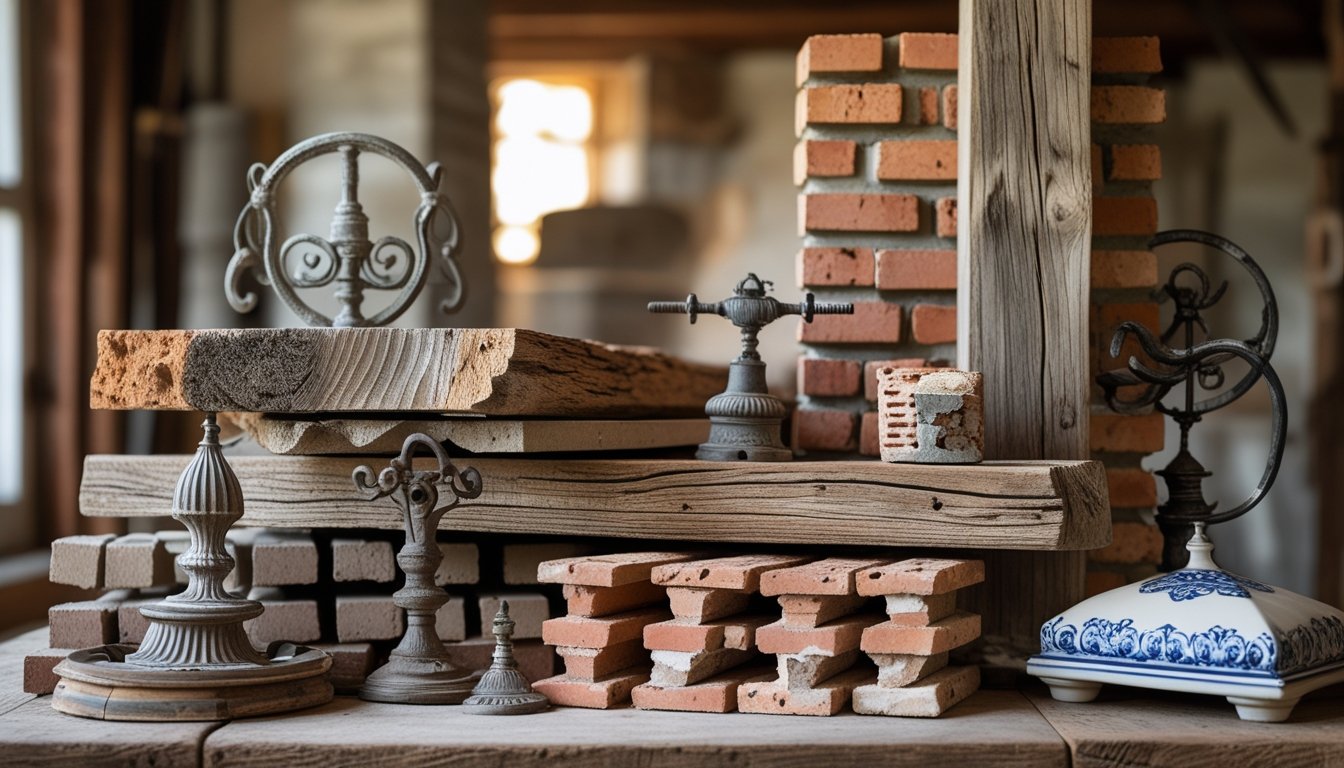
Antique building materials bring history, craftsmanship, and character into modern renovations. These elements—whether reclaimed wood beams, vintage bricks, or historic stone—carry a sense of authenticity that new materials simply cannot recreate. They offer texture, patina, and natural aging that instantly elevate the charm of any space.
Sourcing genuine antique materials from trusted specialists ensures you’re working with pieces that have been carefully reclaimed and preserved from historic structures. Companies like Bourgeois Materials let you incorporate authentic, weathered beams, bricks, and stones into your renovation. This helps your project feel rooted in tradition and connected to its history.
This guide walks you through the types of antique building materials available, where to find them, and how to identify genuine pieces. Keep reading and also discover the best ways to incorporate them into your home.
Antique building materials come from old structures and carry a story through their age, craft, and use. These materials offer more than just function; they bring character and a sense of history to your building project. Many have proven their strength and style over time.
Antique building materials are original components taken from older buildings, sometimes hundreds of years old. Craftsmen often made these by hand before modern manufacturing. These materials include wood beams, bricks, stones, and tiles that were once part of historic homes, barns, or public buildings.
Reclaimed from real, old structures, these materials connect you to the past. They show how people built in different eras with local resources and traditional skills. Using antique materials preserves history and gives your project a unique identity.
Antique materials stand out for their durability and unique appearance. Marks from years of use, like worn edges, color changes, or tool scars, add to their charm. Their imperfections tell a story rather than aiming for uniformity.
These materials often prove stronger than modern mass-produced options. For example, bricks from the 19th century might be harder and more weather-resistant. Their natural wear shows genuine aging, which attracts many builders and homeowners.
Common types include hand-hewn wood beams, antique bricks, stone pavers, and slate roofing. Each has unique uses and history. Antique wood beams might come from old barns, showing knots and grain from decades of growth.
Antique bricks can be found in historic sidewalks or walls, often carrying colors and patterns you won’t see today.
Stone flooring and flagstones are another popular choice, offering natural beauty and durability. Carefully sourced pieces bring real history into your home or building with every plank, brick, or stone you use.
When choosing antique building materials, look for pieces with history, durability, and style. These materials often come with unique textures and stories that make your project stand out. From wood to brick and metal to stone, each type adds character and depth to your space.
Reclaimed wood is prized for its warmth, strength, and unique appearance. Original beams or boards from old barns, factories, or homes offer wood that has aged naturally, often showing nail holes, saw marks, and a deep, rich patina.
This wood is more stable than new lumber because it has already dried over many years. Use it for flooring, ceiling beams, paneling, or furniture to bring a piece of the past into your home. Its character stands apart from new wood.
Salvaged bricks come from old buildings or streets, like the hard tan bricks used in historic neighborhoods. These tough bricks often have weathered edges and color variations that show their age and history.
Use salvaged bricks for walls, fireplaces, or sidewalks. Their texture and appearance add a hand-crafted charm. Choosing salvaged bricks gives you a durable material filled with history and timeless appeal.
Vintage metalwork includes old nails, hinges, railings, and hardware crafted with techniques from the past. These pieces develop a patina from decades or centuries of use, offering a look that new metal cannot imitate.
Apply vintage metalwork to doors, windows, or furniture details. These items add authenticity and intricate design to your project, embracing craftsmanship and details that create a strong connection to history.
Historic stone refers to materials like antique flagstone, bluestone, or limestone reclaimed from old buildings or outdoor paving. These stones have natural weathering and textures that give your project a classic, timeless look.
Use historic stone for flooring, patios, steps, or walls. This stone is tough and often has subtle color changes that tell its story. Adding historic stone grounds your space in tradition and provides a beautiful, enduring foundation.
Finding genuine antique building materials takes patience and knowing where to look. Seek pieces with strong character and history that bring life to your project. Reliable sources offer a variety of materials, each with its own story and charm.
Salvage yards collect parts from old buildings set for demolition. You can find hand-hewn wood, antique bricks, vintage doors, and ironwork ready to be reused.
Materials here show wear that adds unique texture and history. Visit yards known for quality sorting and care in storing finds. Some yards specialize in regional materials, like the reclaimed bricks often used in historic Southern homes.
Ask about the origin and condition. Good yards verify that materials come from safe, sound structures, helping you avoid hidden damage or poor quality pieces. Trusted sources ensure your project stays authentic and durable.
Demolition sites can offer valuable antique materials if you have access. Sometimes, workers remove valuable components before tearing down a building. These include beams, tiles, bricks, and stone.
Visiting demolition sites requires planning and permission, but the payoff can be worth it. You can find pieces fresh from historic buildings. This direct approach lets you inspect materials on site.
However, taking from a demolition requires knowledge. You need to recognize what’s worth salvaging and how to preserve it. Professionals in reclamation focus on recovering rare pieces and ensuring careful handling for reuse.
If you prefer shopping remotely, online marketplaces offer a wide selection of antique materials. These platforms connect buyers with suppliers who specialize in historic pieces. Browse photos, check descriptions, and read customer reviews.
Online shops provide materials from all over the country, giving you more options than local sources. This is a good way to find rare items, such as European stone flooring or unique reclaimed wood.
Verify the seller’s reputation and authenticity claims. Look for detailed product information and photos that show the material’s condition clearly. Wide delivery options make it easier to get materials shipped securely to your door.
Finding real antique materials takes more than just a glance. Examine how the piece feels and appears, verify its age, and ensure it isn’t a modern copy. True antiques show unique signs of age and history that reproductions lack.
Look for wear that matches natural use over time—uneven edges, nail holes, or slight warping. For wood, check for hand-hewn marks or old saw cuts that machines didn’t make. Antique bricks, like those often used in New Orleans, will have a hard, dense feel and sometimes irregular shapes.
Colors may vary due to years of exposure, showing subtle fading or patina. Authentic stone or wood materials tend to have a deeper, richer texture than new ones. These details reflect real craftsmanship and time.
Knowing where the material came from helps you trust its authenticity. Provenance means tracing the history—was it pulled from a barn, a historic home, or a landmark? Ask for documentation or stories connected to the piece.
Researching age can mean comparing with known samples or consulting specialists who verify materials based on style, technique, and condition.
Many replicas copy antique styles but lack genuine aging. Faux finishes often look too uniform or lack the subtle marks of time. Beware of perfectly smooth surfaces or overly consistent coloring, which may signal a fake.
Test for materials and craftsmanship: real antique bricks or wood will feel heavier or denser. Ask for proof—photos from the source site or proof of extraction. Working with trusted suppliers gives you peace of mind that you’re receiving authentic, reclaimed materials ready to bring real history into your project.
Using antique building materials brings clear advantages for your projects. You gain eco-friendly choices, unique designs that stand out, and pieces full of history and meaning. These factors add value and character that no new material can match.
Choosing antique materials means you reuse existing resources instead of relying on new production. This reduces waste and limits the environmental impact found in manufacturing new bricks, wood, or stone.
Many antique materials come from reclaimed barns or historic buildings, keeping them out of landfills. You also avoid the energy needed to mine or process new stone or fire new bricks.
Using these materials supports a circular economy where what is old gets new life. It’s a smart way to build with care for the planet while meeting your design goals.
Antique materials show textures and colors that today’s factory-made products can’t duplicate. Hand-hewn beams, weathered bricks, and natural stone all bear marks of time and craftsmanship.
When you use these materials, your walls and floors tell a story through their look and feel. Each piece offers character, from the uneven edges of old bricks to subtle color variations in reclaimed wood.
You create spaces that feel warm, genuine, and full of personality. This uniqueness elevates your design beyond mass-produced finishes.
Every antique material holds a piece of history. These materials often come from buildings with rich pasts, like 19th-century New Orleans bricks or hand-cut timbers from old farmhouses.
By including them in your project, you preserve that legacy. Your work connects to the craftsmanship and stories of previous generations. This historical value makes your building more than just a structure—it becomes a timeless place with depth.
Reusing antique building materials not only reduces local waste—it supports global sustainability by lowering energy use and cutting industrial emissions.
According to the U.S. Environmental Protection Agency (EPA), construction and demolition activities in the United States generate more than 600 million tons of debris each year. This makes them one of the largest waste streams in the nation.
Choosing reclaimed materials helps reduce this burden by diverting usable wood, stone, and brick away from landfills. It also decreases the need for newly manufactured products, which require resource extraction, high-heat processing, and transportation energy.
By integrating reclaimed materials into your project, you actively support a circular economy and help reduce greenhouse gas emissions associated with conventional building material production.
To work well with antique building materials, focus on cleaning them gently, storing them properly, and handling them with care. These steps keep the materials strong and preserve their history.
Start cleaning with soft brushes or gentle cloths to avoid damaging surfaces. Avoid harsh chemicals, which can strip away the original patina or cause cracks. For stone or brick, use mild soap and water or specialized cleaners designed for historic materials.
When repairing cracks or chips, use materials that match the original as closely as possible. For wood, fill gaps with wood putty made for old timber. Be careful not to oversand or paint over the worn character since these details hold the story of the material.
Store materials in a dry, well-ventilated area to prevent mold and decay. Raise wood beams off the floor to avoid moisture absorption. Place stones and bricks on pallets, protect them from rain, and allow air circulation.
Group similar materials together and label them clearly. This makes it easy to track each piece’s origin and condition. If storing outside temporarily, cover materials with breathable tarps, not plastic, to avoid moisture buildup.
Lift materials carefully, using two or more people for heavy items like beams or stone. Lift from solid points instead of edges to prevent breaking weak spots. Wear gloves to protect your hands and the material’s surface.
Move materials on padded surfaces or in wooden crates to prevent chips or cracks. Inspect items before and after handling to catch and fix any damage right away.
Antique materials add depth and character to modern projects. They bring history and craftsmanship into new spaces and fit smoothly with fresh designs. You can mix styles, use materials in practical ways, and highlight unique details.
Choose antique pieces that complement your style. Pairing reclaimed wood beams with sleek metal fixtures balances rustic charm with modern lines.
Keep color tones consistent. If your antique stones or bricks have warm hues, use neutral walls and floors to make them stand out. Mixing rough stone with smooth surfaces adds interest without clutter.
Let antique materials be focal points. Avoid overcrowding the space so features like a vintage brick wall or hand-hewn wood beam can shine.
Always ask for proof of origin and any necessary ownership documents. This protects you from legal trouble and supports historic preservation.
Antique materials work in many parts of a home or building. Use reclaimed bricks for flooring or exterior walls to add a historic touch and durability.
Old European stone pavers bring character underfoot and resist wear. Hard tan bricks are ideal for patios or garden paths.
Hand-hewn wood beams add warmth and structure in living rooms or entryways. Repurpose vintage doors or mantels as unique design features.
Focus on unique architectural details when using antique materials. Exposed beams or original brick walls become natural focal points.
Frame fireplaces or staircases with antique stone or reclaimed wood. These locations highlight the material’s texture and history.
Details like old bricks in a herringbone pattern or aged wood moldings add richness to your design.
Care for antique building materials by protecting their unique character and keeping them strong. Watch for damage, clean regularly, and plan long-term care based on the material’s age and type.
Control moisture to keep reclaimed bricks, stones, or wood safe. Water can cause cracks, mold, or rot, so use proper drainage and keep materials off wet surfaces.
Avoid harsh chemicals and salt, which can erode surfaces. Choose sealants made for historic materials to protect without trapping moisture.
Plan walkways carefully to prevent chips or breaks in fragile pieces like hard tan bricks or antique stone pavers.
Clean gently with soft brushes or low-pressure water sprays to remove dirt without harming textures or finishes.
Inspect materials often for early signs of wear, such as loose mortar or flaking surfaces. Timely repairs keep small issues from growing.
Check wood for insects or decay. Use wood preservative lightly to extend life and maintain the original look.
Reevaluate your materials every few years. Consider professional assessments to maintain stability, especially for antique bricks or stones in walls or floors.
Restoration may include repointing mortar or replacing worn sections with matching pieces. Keep records of all maintenance and repairs to preserve the story and value of your materials.
When using antique building materials, pay close attention to how you acquire them and the rules around their use. This protects historic resources and keeps your project legal and respectful.
Choose reclaimed materials from legal and ethical sources. Avoid items from protected sites or private properties without permission. Work with sellers who can prove the materials came from legally dismantled historic buildings.
Check local rules on permits and building codes before using antique materials. Some reclaimed items may need special approval, especially for safety or environmental reasons.
Inspections may be required to confirm materials meet current standards. Historic bricks or wood beams might need testing for lead, asbestos, or structural soundness.
Your local building department can guide you on the necessary permits. Plan ahead and keep all paperwork on hand during construction to stay on track and compliant.
Interest in antique building materials is rising among builders and architects. People want authentic, reclaimed elements that add history and character to their projects. The trend favors materials with real stories over mass-produced, imitation finishes.
Materials like hand-hewn wood beams, old bricks, and natural stone are in higher demand. Hard-wearing bricks, such as New Orleans’ Hard Tan bricks, are popular for their durability and unique charm.
Clients increasingly seek rare pieces that offer both timeless beauty and sustainable reuse. This shows a clear desire for quality and authenticity in building design.
The supply of genuine antique materials will remain limited. It takes expertise to source and prepare these items correctly. Trusted partners help you find and deliver authentic elements without hassle.
If you want to build with real history and craft, the future is bright. Antique materials will keep your project unique and meaningful for years to come.
Antique building materials offer a depth of character that new products simply can’t replicate. Their aged surfaces, rich textures, and authentic imperfections carry stories that enrich your home and elevate everyday spaces.
Working with authentic reclaimed elements sourced by Bourgeois Materials ensures you get materials with true provenance. Our pieces have been carefully salvaged, preserved, and prepared for modern construction. We are committed to genuine historic craftsmanship that allows you to integrate rare beams, bricks, and stone into your project with confidence.
As you plan your renovation, consider how these materials can shape the atmosphere of your home. Antique wood, stone, and brick add warmth and authenticity that lasts for generations. Reach out today to begin sourcing the authentic materials that will define your next project.
When choosing antique building materials, focus on quality, condition, and the story behind each piece. Using reclaimed elements adds texture and timeless character that new materials cannot match. Careful selection and proper handling ensure these materials fit well into your project.
Choose materials that show real age without excessive damage. Check for durability and make sure any wear adds to the material’s character instead of weakening it. Authenticity is key—avoid pieces that are heavily restored or altered.
Use antique bricks, wood beams, or stone as focal points, like feature walls or flooring. Mix old and new carefully for balance. For example, antique bricks add warmth and history when combined with modern architecture.
You can find authentic reclaimed materials through specialized historic demolition salvage sources. Local salvage yards and auctions may also have unique pieces with a story to tell.
Use old bricks for garden paths or fireplaces, and reclaimed wood for shelving or furniture. Clean materials carefully to preserve their patina. Let the history show through rather than masking it.
Value depends on rarity, condition, and historical importance. Pieces from notable buildings or those with unique craftsmanship generally hold higher value. Provenance and documentation can also increase worth.
Look for makers’ marks, stamps, or unique tooling evidence. Consult experts who specialize in historic materials. Research the style and manufacturing techniques typical of the period to confirm its origin.
