

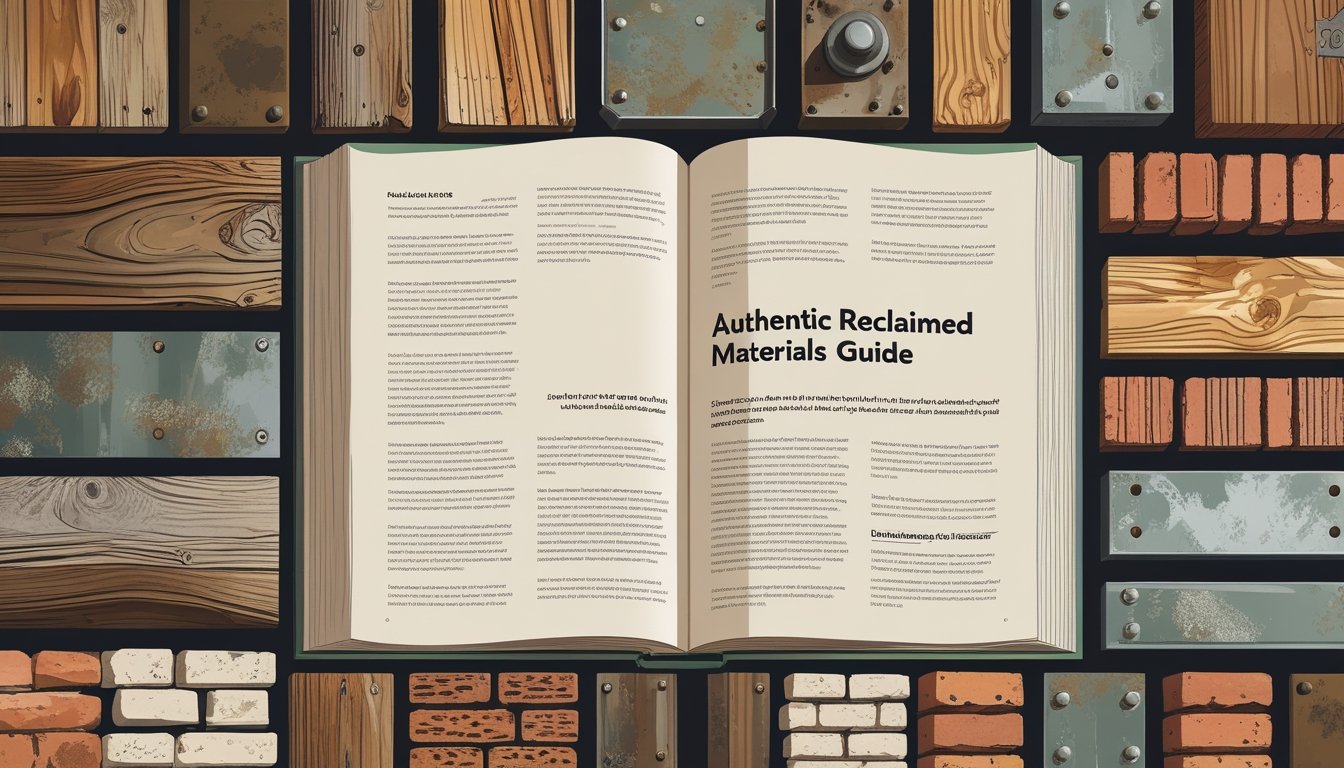
Authentic reclaimed materials bring design depth, durability, and true history to modern builds. They offer textures and finishes that new materials can’t replicate while supporting sustainable construction.
At Bourgeois Materials, we help builders and designers source authentic reclaimed wood, brick, and stone verified for safety, strength, and provenance. These materials create one-of-a-kind homes and commercial spaces with real stories behind every surface.
This guide shows how to identify authentic reclaimed pieces, source them confidently, and integrate them into your designs while meeting today’s standards for performance and sustainability.
Authentic reclaimed materials are pieces with real histories, not new items made to look old. You’ll learn how to spot true reclamation, why it matters, and the visual and physical signs that confirm authenticity.
Truly reclaimed materials come from original sources: old barns, factories, or historic buildings. These pieces keep their original structure and wear. Reproduction materials are new, made to mimic age through modern processes.
Look for provenance — paperwork, seller history, or a chain of custody. Labels like the Truly Reclaimed standard or Salvo Code can help verify authenticity. Ask for photos of the material in its original setting and a description of how it was deconstructed.
Check for nail types, tool marks, and growth rings in wood. Antique lumber often shows irregular saw marks or hand-hewn faces. Reproductions usually have uniform machining and modern fasteners.
Reclaiming began as thrift and necessity, then evolved into design and sustainability. Early reuse involved salvaging beams and bricks after demolition. Over time, architects and builders valued historic materials for their durability and character.
Today, you’ll find reclaimed items used in high-end projects and everyday homes. The market developed standards and marketplaces to prevent fake antique lumber from being sold as authentic. Organizations track provenance and promote transparent sourcing.
Historic materials reduce waste and preserve craftsmanship from earlier eras. You get materials with proven performance, often milled from old-growth trees that are harder and denser than many modern timbers.
As Forbes reports, demand for genuine reclaimed materials has grown as builders seek certified provenance and environmental transparency. Verified sourcing programs now track origin and treatment, ensuring materials meet both safety and authenticity standards.
Patina is the surface story: dents, nail holes, faded finishes, and color variation. These traits show real age and use. Authentic reclaimed wood often has tighter grain, darker tones, and uneven edges.
Inspect for consistent wear patterns. Look for original fasteners like square nails, mortise-and-tenon joins, and hand-planed faces. Smells can help too—older woods and finishes often have a distinct, subdued scent.
Beware of artificial distressing. Machine-made checks, repeated sand-blasting, or uniform edge wear are signs of reproduction. Authenticity combines visual clues, physical tests, and documentation to confirm that the piece is genuine reclaimed material.
These materials bring visible history and practical value to projects. You can use salvaged beams, flooring, stone, and bricks to add character, lower material costs, and reduce waste.
Reclaimed wood often comes from old barns, factories, and warehouses. You can find hand-hewn beams with axe marks, long barnwood planks with weathered patina, and stable flooring boards that have already settled over decades.
Use reclaimed beams as exposed ceiling supports or as mantel pieces; their large timbers add structural presence and a vintage look. Reclaimed wood flooring gives you tight-grain planks that wear well and show rich color variation.
Barn siding and barnwood panels work well for accent walls, headboards, or exterior cladding where you want an authentic rustic feel.
Inspect boards for rot, nails, or insect damage before installation. Plan for milling and acclimation — reclaimed pieces often need cleaning, de-nailing, and surfacing. Choose reclaimed wood species and thickness that fit your project to avoid awkward transitions.
Reclaimed stone includes floor slabs, carved pieces, and leftover quarry stone. Repurpose flagstones, limestone slabs, carved lintels, and old hearth stones for both interior and exterior work.
Use reclaimed stone for durable flooring, entryway thresholds, and garden paths made from cobblestones. Architectural elements like carved columns, keystones, or window surrounds add historic detail to restorations or new builds. Reclaimed roof tiles also serve as decorative touches on small structures or garden sheds.
Check the stone for structural cracks and salt damage. Clean gently to preserve surface patina. For floors, pick thicker slabs to resist wear. You can combine mixed sizes for mosaic patterns or keep uniform cuts for a formal look.
Reclaimed brick and masonry come from demolished buildings, salvage yards, and industrial sites. You’ll find full-sized bricks, thin veneer bricks, and whole chimney or foundation sections ready for reuse.
Use reclaimed bricks for fireplaces, feature walls, and paved patios. Their aged mortar lines and color variation give instant warmth and texture. Reclaimed brick also works well for interior backsplashes and exterior façades where you want a lived-in appearance.
Prepare reclaimed brick by removing old mortar and stabilizing any crumbly pieces. When laying, use a flexible mortar suitable for older materials to allow slight movement. For outdoor paving, sort bricks by thickness and density to ensure an even surface that resists settling.
You should focus on verified suppliers, clear labeling, and solid provenance documents. Check supplier history, look for accepted certifications, and confirm craftsmanship with photos or inspections.
Seek suppliers with a strong track record in architectural salvage and reclaimed products, such as local dealers or firms like BCA Matériaux Anciens. Ask for references from builders or architects who used their stock. Visit the yard or warehouse when possible to judge condition, joinery, and hidden damage.
Request a written chain-of-custody showing where each piece came from and any treatments it received. Buy from vendors who offer restoration services or clear inspection reports. Prefer suppliers who separate and label items by source and date. This reduces the risk of mixed or misrepresented stock.
Look for recognized marks like FSC reclaimed claims or third-party verification from organizations that audit reclaimed streams. Understand label differences: some say “reclaimed” based on age alone, while stronger claims include documented origin and chain-of-custody.
Ask for documentation that ties the label to specific lots or items. If a seller claims “salvaged” or “certified reclaimed,” request the certificate number, scope, and issuing body. Keep copies of invoices and certificates in your project file for green building credits or resale.
Provenance starts with clear paperwork: removal site, date, prior use, and any chemical treatments. Verify those details with photos of the site or original structure when possible. For high-value pieces, get a short provenance sheet attached to the item.
Assess craftsmanship by inspecting joinery, tool marks, and patina. For reclaimed beams, check for soundness and previous repairs.
For doors, trim, and hardware, confirm original manufacture techniques versus recent reproductions. If craftsmen will refinish or adapt pieces, request work samples and a small test patch before full restoration.
Reclaimed materials cut waste, save energy, and add real character to your project. They help you lower embodied carbon, reduce demand for new extraction, and give your home a one-of-a-kind look.
Using reclaimed wood, brick, metal, or stone avoids the emissions tied to quarrying, milling, and manufacturing new materials.
Fitting salvaged floorboards or reclaimed brick in a sustainable home project saves the embodied carbon that would come from producing new equivalents. Sourcing locally reclaimed items also reduces landfill volume and transport energy.
Practical steps you can take:
Reclaimed materials fit directly into green building practices and circular-economy thinking. They let you reuse building elements—beams, windows, tiles—so fewer raw materials are extracted for your project.
In modern construction, reclaimed components can meet performance standards when you test and treat them properly.
Key tactics for builders and homeowners:
Reclaimed materials give your space textures, patinas, and histories you can’t replicate with new products.
A reclaimed barn door or vintage tile often becomes a focal point that adds warmth and authenticity to interiors. You can mix reclaimed elements with modern systems—insulation, HVAC, or structural steel—to meet performance needs while keeping a distinct aesthetic.
Practical design tips:
You’ll find reclaimed materials used in both everyday building elements and standout custom pieces. Expect practical uses like flooring and beams alongside creative tops, paneling, and one-off furniture that highlight texture and history.
Use reclaimed building materials for floors, wall paneling, and ceiling beams to add warmth and character. Reclaimed wood flooring often comes from old barns or warehouses and offers wider planks and denser old-growth species unavailable in new lumber.
Restaurants and shops use reclaimed wood for bar tops and accent walls, creating a durable focal point with a unique story.
These pieces last when properly cleaned and sealed. Buyers often source salvaged wood from local salvage yards or wholesale reclaimed suppliers to ensure consistent volumes. Keep records of origin and treatment for code compliance and inspections.
Turn reclaimed timber into furniture, built-in shelving, stair treads, and countertops. Craftspeople pair reclaimed wood with steel or glass to create modern tables and mantels that highlight nail holes, patina, or saw marks.
Reclaimed lumber lets you match a room’s age or create contrast with new finishes. Wholesale reclaimed sources help contractors and DIYers get enough uniform boards for larger builds. Test for moisture, pests, and contaminants before installation. Prep reclaimed materials by de-nailing, planing, and sealing to make them safe and long-lasting indoors or outdoors.
Authentic reclaimed materials combine sustainability, craftsmanship, and character. Each beam, brick, or tile carries a story and reduces the environmental impact of construction. Choosing true reclaimed products supports ethical sourcing and long-lasting design.
At Bourgeois Materials, we connect builders and designers with reliable reclaimed suppliers, verified certifications, and practical guidance for reuse. Our goal is to help you design spaces that balance modern performance with heritage authenticity.
Ready to source authentic materials for your next project? Reach out for trusted reclaimed options and personalized sourcing support.
This section explains how to check if reclaimed materials are real, where to buy them, their benefits, and how to confirm their quality and sustainability. You’ll find clear steps and specific places or tests to use.
Ask for the material’s history and origins. Look for photos or documents showing where the wood came from, such as old barns or factories.
Inspect the wood for hand-planing marks, old nail holes, tight grain, and a weathered surface. Be cautious if the patina looks too uniform or artificially aged. Request a sample before buying large quantities. Compare color, grain, and density with other pieces from the same batch.
Visit local salvage yards and architectural salvage stores to find beams, floorboards, and siding. You can examine pieces in person and check their origins. Check online marketplaces that specialize in reclaimed wood and provide sourcing details and clear photos.
Contact demolition contractors or historic building deconstruction teams, as they sometimes sell or donate salvaged lumber directly.
Reclaimed wood reduces demand for new timber and keeps materials out of landfills, conserving natural resources. Old-growth reclaimed boards usually have tighter grain and greater density, making them stronger and longer-lasting.
Reclaimed wood brings unique character—nail holes, patina, and miner marks—that add visual interest and authenticity to your work.
Check for structural soundness: avoid rot, large cracks, and hollow or soft spots. Tap beams to test for solid wood. Remove nails and scan for embedded metal to avoid damaging saw blades during milling.
Ask if the wood has been kiln-dried or treated for pests and moisture. Proper drying prevents warping and insect issues.
Choose boards with consistent thickness and straight edges for precise milling. Select pieces that minimize waste for your project. Check end grain for tight growth rings to confirm old-growth character and density.
Avoid boards with heavy chemical stains or unknown finishes, especially for indoor use, to prevent VOC emissions or finish issues.
Yes. Look for FSC recycled certification, which tracks the chain of custody for recycled wood products. Some sellers also offer third-party verification or proof of origin.
Ask sellers about their sourcing practices and whether they deconstruct condemned or abandoned buildings. Ethical sourcing helps reduce environmental harm and ensures authenticity.
