

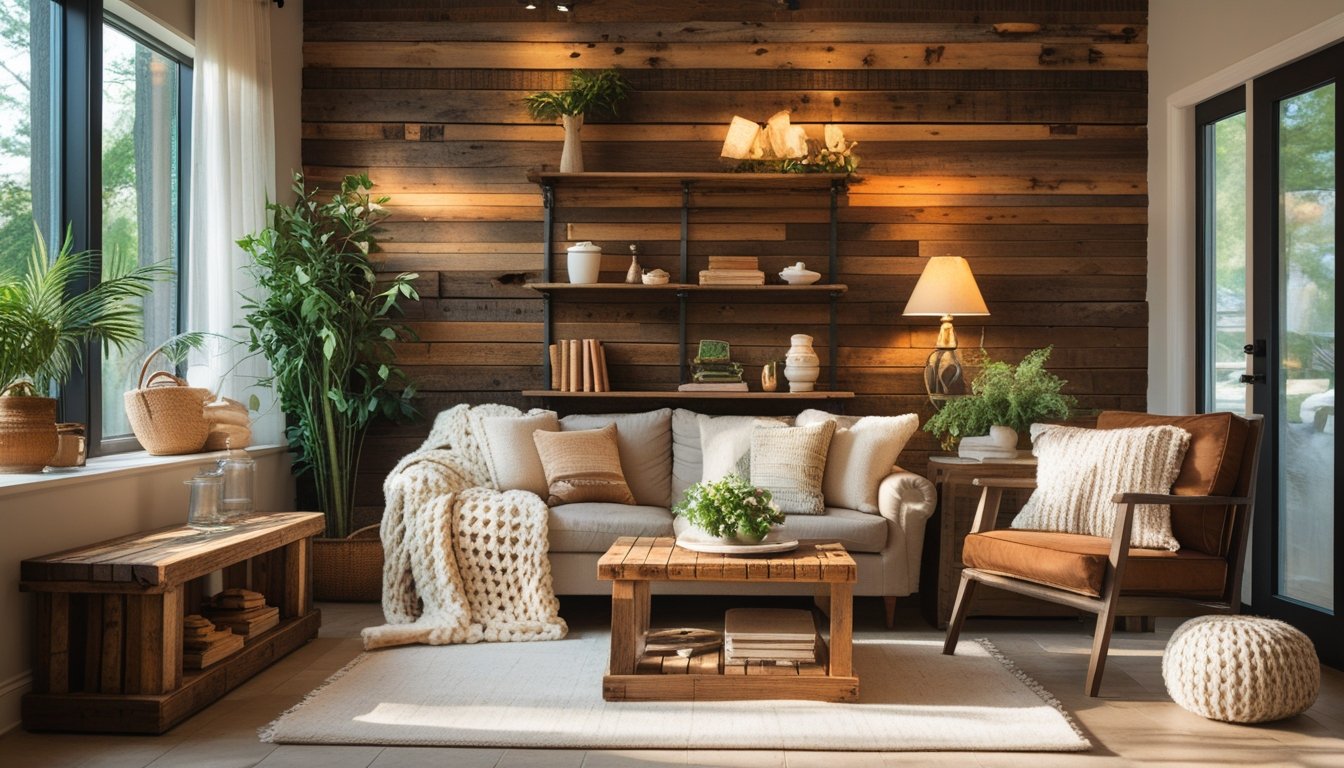
Authentic reclaimed wood brings depth, warmth, and a storied presence that new materials can’t replicate. Its patina, grain, and natural imperfections reveal decades of use, making it an ideal choice for builders and homeowners seeking honest character and lasting beauty.
At Bourgeois Materials, reclaimed wood is sourced from barns, industrial structures, and historic buildings across the United States. Each piece reflects true provenance and craftsmanship, offering real heritage rather than engineered or distressed reproductions.
This guide explores how to identify genuine reclaimed wood, where it originates, and how to use it with confidence in flooring, wall paneling, architectural accents, and furniture. You’ll learn how to select, care for, and design with the kind of wood that transforms spaces with authenticity and soul.
Authentic reclaimed wood carries the marks of time and use, offering unique character you won’t find in new lumber. It comes with a history that adds warmth and depth to your projects. To understand this material well, it helps to know what makes it authentic, where it comes from, and how to spot genuine pieces.
Authentic reclaimed wood is lumber salvaged from old buildings, barns, or other structures that no longer stand. Unlike new wood, it shows signs of wear like nail holes, saw marks, and weathering. This wood often has a richer color and tighter grain because it’s from slow-grown trees.
This wood has already aged naturally, so it’s less likely to warp or shrink over time. Its texture is rougher, with knots and natural imperfections that tell its story. When you use authentic reclaimed wood, you bring history and a distinct, one-of-a-kind look to your space.
Reclaimed wood usually comes from buildings that were built 50 to over 100 years ago. These might be old factories, mills, or barns with strong, hand-hewn beams crafted by skilled workers. Each piece reflects a time when wood was cut and built with precision and care.
Using this wood helps preserve history. Instead of cutting new trees, you give these materials a new life. The wood not only serves a purpose but also connects you to the past craftsmanship and architecture.
Reusing authentic reclaimed wood reduces the environmental strain associated with harvesting and processing new timber. According to the U.S. Environmental Protection Agency, wood waste accounts for a significant share of construction and demolition debris.
This industry exceeds hundreds of millions of tons annually. Choosing reclaimed wood diverts usable material from landfills and lowers the energy required for milling and drying newly harvested lumber.
The U.S. Forest Service notes that reusing existing wood products helps reduce pressure on forests, especially old-growth species that take decades or centuries to regenerate. Incorporating reclaimed wood supports conservation and uses durable, historic materials.
To spot authentic reclaimed wood, look for signs of age and previous use. These often include:
Beware of wood that looks too uniform or newly distressed—this is often fake or reprocessed. Genuine reclaimed wood has a weight and feel that shows its true age. If you want real, honest materials for your build, trust sources who specialize in authentic recoveries, not replicas.
Choosing authentic reclaimed wood adds value and character to your projects in several important ways. It offers practical benefits like lasting strength, while also supporting environmental goals and providing a unique look you can’t get with new wood.
When you use reclaimed wood, you help reduce the demand for cutting down new trees. This keeps forests healthier and protects natural habitats. Reclaimed wood often comes from old barns, factories, and historic buildings, giving materials a second life instead of ending up in landfills.
Using reclaimed wood also lowers the energy needed to process new timber. Since the wood is already aged and dried, it requires less treatment. By choosing authentic reclaimed wood, you play a part in reducing waste and conserving resources.
Authentic reclaimed wood carries rich history and character you simply can’t replicate. Each piece has unique marks—old nail holes, varied grain patterns, and weathered textures—that tell a story. This adds a sense of depth and warmth to your design.
No two boards are exactly alike, so your floors, walls, or furniture will feel custom-made and one-of-a-kind. If you seek that aged, timeless look, reclaimed wood is the perfect choice to make your project stand out.
Reclaimed wood often comes from old-growth timber, which is denser and stronger than many modern wood sources. This means it can hold up better over time against wear and damage. The natural aging process also makes it more stable, reducing warping and shrinking once installed.
Because the wood has already endured decades or even centuries, it is thoroughly seasoned. This durability ensures it can handle heavy use, whether in structural beams or flooring. You get pieces that are genuinely tough and built to last far beyond new wood products.
Reclaimed wood comes from places that carry a strong history and unique stories. Each source offers wood with its own character, texture, and patina that new wood cannot match. Knowing where the wood comes from helps you appreciate its strength and beauty.
Barn wood is one of the richest sources of reclaimed wood. These structures often used timber that was hand-hewn and built to last through decades. The wood has aged naturally, showing unique nail holes, weather marks, and saw cuts.
Barns exposed to outdoor elements produce wood that is dry and stable. You get wide planks and thick beams full of natural character. Using barn wood in your project brings a rustic charm and authenticity that only comes from years of exposure and use.
Wood from old factories and warehouses offers a different type of authenticity. These timbers were made for heavy use, so they tend to be strong and durable. You will often find heart pine or oak with tight grain and deep color.
This wood may carry marks of the industrial past like bolt holes, paint remnants, or burn marks. Including industrial wood in your home or office adds a bold, historic edge. It’s perfect if you want a mix of rugged strength with unique textures.
Wood reclaimed from historic houses gives you pieces that once held family stories. These timbers were often crafted with attention to detail, like hand-carved moldings or carefully milled floorboards. You get smooth finishes and rare wood species.
The wood may show wear from decades of use, but this only adds to its charm. Using wood from historic homes helps you connect your project to past craftsmanship and design. It’s an excellent choice when you seek warmth and heritage in your design.
When you use authentic reclaimed wood, you can bring unique character and history to many parts of your home or project. This wood adds warmth, texture, and depth to surfaces and structures that new materials can't easily replicate.
Reclaimed wood floors offer warmth and lasting beauty. Each plank carries marks, knots, and grain patterns shaped by time, giving your floors a story that new wood lacks. This type of flooring is often more durable, having matured over decades.
You can find various wood species, from oak to pine, with unique colors and grains. The natural aging process also means less shrinkage and movement after installation, which helps floors stay stable.
Using reclaimed wood for flooring connects your space to the past while offering a strong foundation beneath your feet. It works well in homes that value both quality and history.
Creating furniture with authentic reclaimed wood brings rustic charm and individuality to tables, chairs, or cabinets. Every piece has flaws and character marks that make your furniture truly one of a kind.
Reclaimed wood often features vintage nail holes, saw marks, or weathered textures. These details add to the story and craft behind each item. You can use beams, boards, or smaller wood pieces to build durable and stylish furniture.
Your furniture becomes a functional piece of history. This choice emphasizes quality and craftsmanship, making your furniture stand out with honest materials.
Wall paneling made from reclaimed wood adds warmth and texture to any room. It creates focal points that feel natural and inviting, whether used on a single accent wall or throughout an entire space.
You can install wide or narrow planks, depending on your design needs. Reclaimed wood’s color variations and imperfections create visual interest that smooth, new materials cannot match.
This type of paneling works beautifully in living rooms, bedrooms, or dining areas. It can highlight architectural features or simply make a room feel cozier with its historic charm.
Reclaimed wood can transform staircases, mantels, and beams into eye-catching features. These accents bring character and authenticity, showcasing natural textures and aged finishes.
Using authentic materials for these details sets your project apart. Hand-hewn beams or weathered trim add a timeless, crafted look that references traditional building methods.
Whether you’re restoring an old home or creating new spaces with historic elements, reclaimed wood accents provide strong visual appeal and connect your work to the past.
Choosing reclaimed wood means looking for materials that fit your project’s style, function, and history. You’ll need to check the wood’s condition, find trusted suppliers, and match the wood type to your specific needs.
Start by inspecting the wood’s physical condition. Look for signs of rot, insect damage, or splits that could weaken the material. A strong piece should feel solid and show consistent density.
Check for moisture content. Wood that’s too wet can warp or shrink later. Aim for wood that has been properly dried.
Pay close attention to the grain and surface patina. These show the wood’s age and character, which adds to its charm. Authentic reclaimed wood has natural wear and marks from its past life.
Work with companies that specialize in authentic reclaimed materials to avoid fakes or low-quality wood. Reliable suppliers carefully select wood from historic sites, ensuring each piece tells a true story.
Ask about the source and history of the wood. Trustworthy suppliers will provide clear information about where and how the wood was reclaimed.
Look for companies that offer a wide inventory and can help you find the exact wood type and size you need. A good supplier will also provide details about their quality checks and drying processes.
Different projects require different wood types. Hardwoods like oak or chestnut are strong and great for flooring, beams, and furniture.
Softwoods, such as pine or fir, work well for decorative paneling or lighter structures. They often show more distress, which can enhance rustic styles.
Consider the wood’s color, grain, and history. Some woods have unique hues or textures that complement specific designs. Selecting the right type adds both durability and beauty to your project.
Caring for authentic reclaimed wood means keeping its beauty and history intact. You’ll want to use gentle cleaning, protect it with the right finish, and handle repairs carefully. These steps help your wood last for many years without losing its unique character.
Use a soft brush or dry cloth to remove dust and dirt regularly. Avoid harsh chemicals or cleaners with ammonia, bleach, or acids; these can damage the wood’s surface. If needed, clean the wood with a mild soap solution—mix a few drops of gentle dish soap with warm water.
Dampen a soft cloth with the soap mixture and wipe the wood gently. Never saturate the wood with water, as it can cause swelling or warping. Dry the wood immediately using a clean, dry cloth after cleaning.
For deeper cleaning, especially on wood with a finish, use a wood-specific cleaner recommended for reclaimed wood. Keeping your wood clean helps preserve its patina and natural texture.
Applying a protective finish guards your reclaimed wood from moisture and stains. Natural oils like tung oil or linseed oil enhance the grain and preserve the wood’s character. Use a soft cloth to apply the oil, letting it soak in and deepen the wood’s tone.
Wax finishes offer a subtle shine and a smooth feel but need frequent reapplication. Polyurethane or varnish provides stronger protection and can change the wood's appearance by adding a glossy or semi-gloss look.
Choose breathable finishes that let the wood adjust to humidity. This helps prevent cracking and keeps the wood in good condition.
Start repairs by closely assessing the damage. Fill small cracks or nail holes with a wood filler that matches your reclaimed wood’s color. Avoid fillers that expand or shrink too much, as they could worsen the issue.
Use wood glue and clamps to secure loose boards or joints. Avoid heavy sanding, which can erase the patina and unique marks that tell the wood’s story. If boards are severely damaged, replace only the affected pieces with matching reclaimed wood.
Test cleaning and refinishing methods on a hidden area first to protect the authenticity of your wood. Restore with care, respecting the original craftsmanship found in every piece.
Authentic reclaimed wood is increasingly popular because it adds history, warmth, and character to spaces. Designers and homeowners seek materials that tell a story and fit a range of styles, from sleek modern looks to eco-conscious projects and custom furnishings.
Bringing reclaimed wood into a modern rustic space mixes old-world charm with clean, simple lines. The wood’s natural texture and rich tones create a warm contrast against metal, glass, or concrete. You might see exposed beams, wood accent walls, or reclaimed wood furniture.
This style values wood with visible knots, wear marks, and unique grain patterns, adding authenticity to the space. Pieces from old barns or warehouses carry real history and craftsmanship.
If sustainability matters to you, reclaimed wood offers a smart solution. Instead of cutting down new trees, you reuse wood that would otherwise be discarded. This reduces waste and lowers your project’s impact on the environment.
Reclaimed wood is often more durable and of better quality than new lumber. Its density comes from older trees grown in steady climates. Using these materials supports eco-friendly building practices while giving your renovation a timeless look.
Creating custom furniture or architectural elements from reclaimed wood lets you get exactly what fits your space and style. Artisans can shape the wood into tables, shelves, mantels, or staircases. Each piece is unique because no two wood planks share the same past.
Custom work with reclaimed wood highlights craftsmanship. The wood’s history and character shine through in every detail, bringing authenticity to your custom design.
Using authentic reclaimed wood requires attention to cost, supply, and quality risks. Plan for these factors to get the best results for your project.
Reclaimed wood often costs more than new lumber because of its rarity and the care required to prepare it. You pay for the work of carefully removing, cleaning, and sorting each piece. Extra charges for delivery and storage may apply.
The unique character of reclaimed wood adds value but also expense. If your project needs hand-hewn beams or rare species, expect higher prices. Investing in this wood means you get history and craftsmanship that new wood cannot match.
Finding authentic reclaimed wood depends on supply, which varies by region and demand. Historic buildings are the main source, but their demolition or renovation is unpredictable. Not all types or sizes are always available.
Work with a company experienced in nationwide sourcing to secure the wood you want. They know where to find rare pieces and can deliver what fits your project’s needs without delay.
Reclaimed wood can sometimes carry insects or pests hidden inside. Proper inspection and treatment are essential before installation. Kiln-drying or chemical treatments eliminate lingering bugs.
If untreated, pests might damage your wood or spread to other parts of your home. Make sure your supplier guarantees pest-free materials to protect your investment and maintain the wood’s beauty and strength.
Authentic reclaimed wood gives your project a level of depth and beauty that only time can create. Its character, durability, and history enrich everything from floors to architectural accents, offering a material that feels timeless and deeply human.
Working with Bourgeois Materials ensures you receive genuine reclaimed wood sourced with care, respect, and a commitment to authenticity. Every piece carries the craftsmanship and provenance needed to elevate your space with honesty and intention.
If you're ready to bring meaningful texture and history into your home or project, reach out today to explore reclaimed wood options that inspire true, lasting design.
Knowing how to identify genuine reclaimed wood and where to find it saves time and ensures quality. Asking about authenticity, cost, and care helps you choose materials that carry real history and character. Understanding wood condition and suitability also makes your project safer and more durable.
Look for signs of age, such as nail holes, saw marks, or weathering that tell a story. The wood should feel solid but show wear from years of use. Avoid wood that looks freshly cut or overly treated, as this may be new lumber made to look old.
Ask for the wood's history and origin. Reputable sellers often provide details about where the wood came from, like old barns or historic buildings. Check for consistent aging and imperfections that match the story. Trusted companies offer genuine pieces with clear provenance.
Start with companies specializing in historic materials, especially those that source wood nationwide. Look for sellers who focus on authenticity and transparency. Choose options known for quality and care in their sourcing and delivery.
Older wood with rare grains or from unique sources usually costs more. Hand-hewn beams or wood from historic buildings carry higher value because of their character and rarity. Condition, size, and treatment can also affect price, with well-preserved pieces often costing more than heavily damaged ones.
Keep reclaimed wood dry and clean with gentle, non-abrasive cleaners. Avoid harsh chemicals and excessive moisture, which can damage the wood. Regularly dust and apply protective finishes like wax or oil designed for aged wood to maintain its beauty.
Check the wood for structural soundness, including cracks, rot, or insect damage. Make sure the beams meet your project's load requirements. Consult a builder or structural engineer to ensure safety.
