

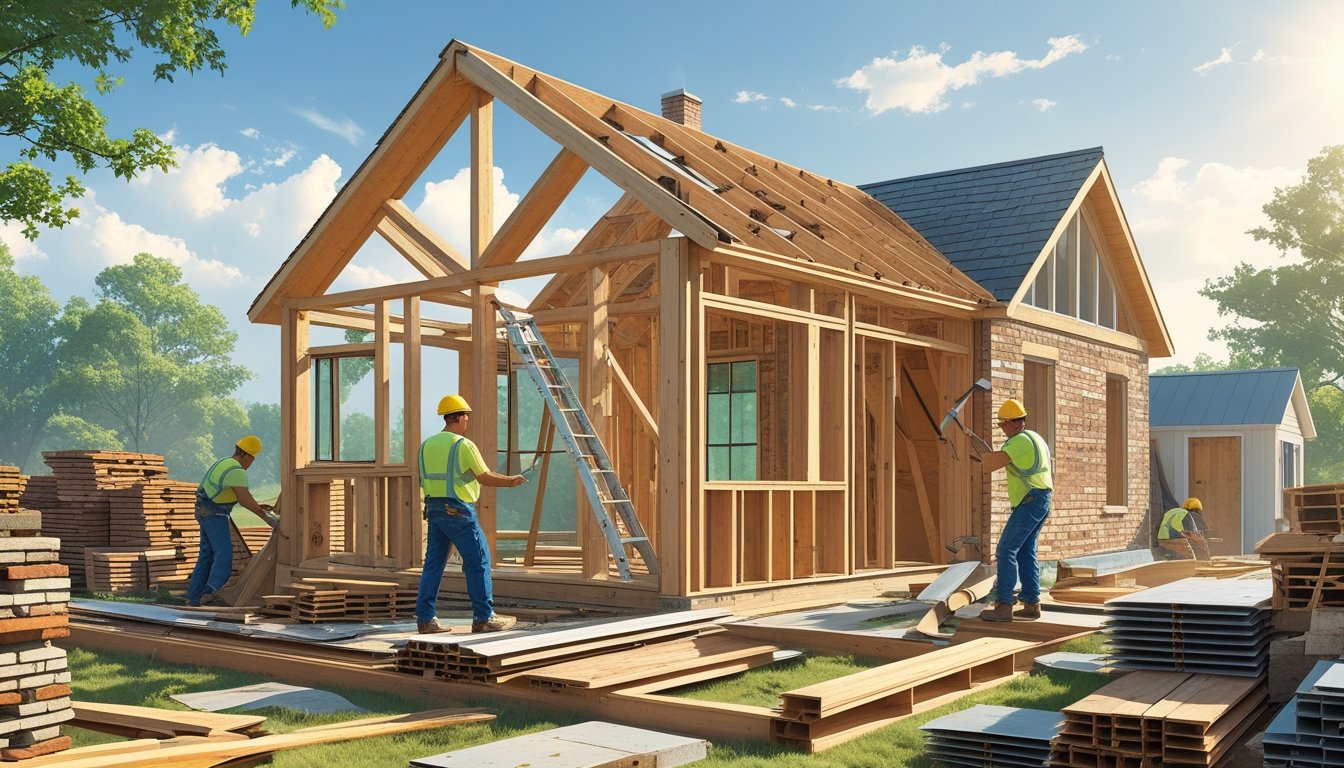
Building with reclaimed materials gives you both durability and design freedom. You save resources, reduce waste, and create a home that’s efficient and full of character. Using reclaimed wood, steel, and fixtures ties sustainability directly to your style.
At Bourgeois Materials, we approach reclaimed construction as both a design choice and an environmental responsibility. Our sourcing methods ensure materials meet safety and performance standards while preserving their history and charm.
This post guides you through sourcing, evaluating, and designing with reclaimed materials—showing how to meet sustainability goals without compromising comfort or safety.
Reclaimed and salvaged materials lower your project’s environmental impact, cut costs, and reduce construction waste. They add character and often match or exceed the performance of new materials.
Using reclaimed wood, recycled steel, or salvaged bricks reduces demand for new raw materials, cutting the energy and emissions tied to logging, mining, and manufacturing. Choosing reclaimed hardwood floors avoids cutting mature trees and saves stored carbon.
Reusing components like beams or metal framing reduces embodied carbon. Reclaimed glass and plastic can become insulation or tiles, keeping waste out of landfills. These choices support sustainable construction and help you meet green-building goals or certifications.
According to ArchDaily, using reclaimed materials in residential builds can cut embodied carbon by up to 40%. Reuse avoids the emissions from the extraction, processing, and transport of new materials, while preserving stored carbon in old timber and masonry. This helps builders align projects with LEED and Passive House standards.
Reclaimed materials can lower your material costs, especially for finishes like flooring, cabinetry, and trim. Salvaged doors, windows, and bricks often cost less than new ones and can reduce your budget for decorative elements by 20–50%, depending on sources.
You might spend more on cleaning or fitting irregular pieces, and adapting reclaimed items takes extra labor. Still, savings on material purchases and potential tax credits or landfill-fee avoidance often make reclaimed options economically attractive.
Choosing salvaged and recycled materials directly reduces construction waste at demolition and during builds. Reusing framing, fixtures, or reclaimed concrete aggregate diverts bulky items from landfill and lowers disposal fees.
Plan waste reduction by listing reusable items before demolition, arranging salvage hauls, and working with contractors who know material reuse. Recycling scrap metal and reprocessing gypsum or asphalt also keeps waste out of landfills and supports a circular approach to building.
Learn where to find reclaimed and sustainable materials, what to check for safety and quality, and how to favor local, reusable items to cut costs and embodied carbon.
Look for reclaimed wood, timber, and salvaged materials at local outlets. Check Habitat for Humanity ReStores, salvage yards, and deconstruction contractors for doors, windows, and flooring. Online sources include Craigslist, Nextdoor, and reuse directories like ReuseWood.org.
Ask sellers about the material’s origin and age. For wood, check for rot, insect damage, and warping. Measure pieces before buying to avoid shortages. Bring a pry bar and flashlight to inspect for hidden damage.
Use auctions, teardown sites, and construction dumpsters with permission. Compare costs: reclaimed items can be 30–75% cheaper than new, but consider cleaning or refinishing expenses. Keep a list of needed sizes and types to avoid impulse buys.
Confirm safety before you use any salvaged materials. For reclaimed wood, look for signs of lead paint or chemical treatments. Test for lead if paint is present and follow local disposal rules. Avoid wood with visible mold or active rot.
Ask for documentation for structural lumber. Some reclaimed beams have mill marks or tags to verify species and grade. For recycled steel, request mill certificates or supplier warranties.
For plumbing fixtures and electrical items, ensure they meet current codes. Replace old wiring and rubber hoses unless they pass inspection. When unsure, consult a contractor or building inspector to confirm safety and code compliance.
Choose local reclaimed materials to cut hauling emissions and support nearby businesses. Search neighborhood groups and local salvage stores first. Local options let you inspect items in person and save on transport costs.
Prioritize reusables that need minimal work—doors, cabinets, and timber beams can go straight into a project with light refinishing. For structural components, prefer timber with clear provenance and few cuts or holes. Keep a materials wishlist with exact sizes and finishes to avoid waste.
Plan your design for reuse. Size your framing and finishes around reclaimed planks and beams to reduce milling. This saves money and preserves the character of salvaged materials.
Focus on which reclaimed pieces to use, how they meet building codes, and where prefab or modular methods can speed the project. Pick materials that fit the function, like reclaimed oak for floors or recycled glass countertops, and plan for inspection, insulation, and energy goals.
Start by listing reclaimed materials you already have or can source reliably: oak planks, salvaged cedar, recycled glass, and Douglas fir frames are good examples. Match each material to a clear use.
Use oak for high-traffic floors, cedar for accent walls, and recycled glass in countertops or fixtures. This keeps wear and maintenance predictable. Check structural limits. Have an engineer inspect reclaimed beams for rot, pest damage, and load capacity.
Get approval if you plan to use reclaimed steel or railway parts in load-bearing roles. Plan for modern systems. Install insulation (recycled denim or cellulose) and airtight windows to meet energy goals.
Maintain the reclaimed look while adding new seals, gaskets, and energy-efficient glazing. Document provenance. Keep receipts, photos, and test results for permits. This helps with inspections and can qualify your project for sustainability incentives.
Consider prefab modules that accept reclaimed finishes. Order a factory-built shell and install reclaimed siding, doors, or interior panels on site. Prefabrication speeds up weather-tight construction and improves quality control, helping you meet insulation standards.
It also reduces on-site waste and makes using reclaimed pieces easier and safer. Use modular kitchens or bathroom pods with reclaimed countertops or cabinet faces to limit onsite work and simplify inspections.
Work with builders experienced in both prefab and reclaimed materials. Some firms and architects blend high-performance prefab with local reclaimed elements.
Decide where the reclaimed look matters most. Use reclaimed wood for visible elements like floors, feature walls, or stair treads. Use new structural members where reclaimed pieces fail inspection, but cover them with reclaimed cladding for a unified look.
Combine reclaimed wood with modern recycled insulation and energy-smart windows to meet comfort and efficiency targets. Seal reclaimed wood on floors and counters to prevent wear. For outdoor use, choose durable treatments to resist weather and pests.
Compare options:
Use
Reclaimed option
When to choose
Floors
Reclaimed oak/barn wood
High aesthetic value, verified condition
Structural beams
Reclaimed timber or a new laminated beam
Use reclaimed if load-tested; prefer new if uncertain
Counters
Crushed recycled glass with concrete
Durable, low-maintenance, eco-friendly look
Insulation
Recycled denim, cellulose
Pair with reclaimed materials for passive house goals
Work with your builder and an engineer to achieve the reclaimed look while meeting safety, code, and energy targets.
Here are practical ways to save energy, cut waste, and use reclaimed materials so your house lasts longer and costs less to run. Find proven approaches for airtight design, smart material choices, and efficient systems that work well with reclaimed supplies.
Passive House design minimizes heat loss and gain, reducing heating and cooling needs. Start with high insulation, airtight walls, and triple-glazed windows for solar gain. Use continuous insulation around foundations and roof; recycled concrete works for compacted base layers under slab insulation.
Mechanical ventilation with heat recovery (MVHR) maintains fresh air and recovers up to 80% of heat from exhaust air. Seal all joints and test with a blower-door to meet tightness targets.
Passive heating uses south-facing windows, thermal mass like rammed earth or concrete floors, and shading for summer. These steps cut energy use and make reclaimed-material homes comfortable year-round.
Choose materials that fit their function and local availability. Reclaimed wood works for framing, cladding, and finishes, reducing demand for new lumber. Recycled concrete makes good aggregate for foundations and driveways, while crushed glass works in tiles or insulation mixes.
Rammed earth or stabilized earth provides thermal mass and pairs well with passive heating. Cork and sheep’s wool offer natural insulation. Some projects use tires packed with earth or bottles in plaster for unique walls. Always check for contaminants and label reused materials for future repairs.
Pick systems that match the low energy needs of passive design. A small electric heat pump can handle space heating and hot water in a tight envelope. Combine it with solar PV sized to your use; net metering or batteries help manage peak loads.
Use LED lighting, efficient appliances, and smart controls to cut standby losses. Install an MVHR unit for air quality and heat recovery, and schedule filter maintenance. For water savings, add rainwater harvesting and low-flow fixtures; greywater can irrigate landscaping. Size these systems to the reduced loads achieved with reclaimed materials and passive strategies.
These systems cut utility bills, lower water use, and make homes built with reclaimed materials more comfortable. Focus on simple, proven technology that works well with reclaimed wood, brick, and metal.
Install a roof-fed rainwater system that channels water from gutters into a covered cistern sized for your household. Use first-flush diverters to keep out leaves and debris, and a screened inlet to block mosquitoes. Treat stored water with a UV filter or fine cartridge if you plan to drink it.
For toilets, laundry, and irrigation, a basic gravity or pump-fed system usually works well and saves municipal water.
Pair harvesting with low-flow fixtures: use 1.8 gpm showerheads, faucet aerators, and dual-flush toilets. Drip irrigation and smart timers for landscaping can cut outdoor water use by over 50%. Clearly label non-potable lines to avoid cross-connections.
Mount solar panels on the roof area with the best sun exposure; a south-facing tilt of 25–35° suits many climates. Use a grid-tied inverter for utility backup and net metering credits. Add a battery bank if you need backup power or want to shift solar use; modern lithium batteries last longer and work efficiently.
Choose a heat pump for heating and cooling. Air-source heat pumps work well in energy-efficient homes and run on solar electricity. Replace old bulbs with LEDs to reduce power use and lower panel and battery needs.
Plan wiring and conduit during construction so you can add solar, batteries, or EV chargers later without damaging finishes. Work with installers to size arrays to match your daily energy use.
Install a green roof over a well-sealed, reclaimed-wood deck to add insulation and reduce storm runoff. Use a lightweight substrate and native, drought-tolerant plants to keep the weight low. Ensure proper waterproofing and root barriers to protect reclaimed structures.
Focus landscaping on rain gardens, permeable pavers, and mulched beds to absorb runoff. Plant native trees on the south and west sides for summer shade and winter sun. Use reclaimed stone or brick for terraces and paths to match your home's materials and reduce new material needs.
Maintain green roofs and landscaping with regular inspections: check drainage, remove invasive plants, and top up substrate as needed. These steps keep the system healthy and extend the life of your reclaimed building components.
A reclaimed-material home is more than eco-friendly—it’s enduring and expressive. Each piece carries history and helps you lower waste, energy use, and cost. When sourced and installed correctly, reclaimed materials perform as reliably as new ones.
At Bourgeois Materials, we help clients source authentic reclaimed wood, steel, and fixtures that balance sustainability with safety and aesthetic value. Our team supports builders and homeowners with design insight, testing, and sustainable supply networks.
Ready to plan your reclaimed home? Reach out to explore design ideas, sourcing tips, and verified materials that make sustainability simple and stylish.
This section answers practical points you need to plan, build, and maintain a house using reclaimed materials. You will find step-by-step actions, safety checks, common material types, likely obstacles, cost comparisons, and tips for finding good salvage.
Define your design, budget, and which parts of the house will use reclaimed materials. Decide if you’ll use reclaimed items for structure, finishes, or both. Check local building codes and permits before buying anything. Source and inspect materials early, and plan dry storage.
Consult a builder experienced with reclaimed projects for structural work. Get engineering reviews for reused structural elements. Test and certify materials before installation, and document origins and treatments for permits and insurance.
Have an engineer inspect reclaimed structural pieces to confirm load capacity. Test for moisture, rot, insects, lead paint, and asbestos. Remove or fix hazardous items before use. Use modern connectors and reinforce framing if needed.
Protect materials from moisture and sunlight, and apply sealants or barriers. Keep records of inspections and repairs for future maintenance and insurance.
Use reclaimed wood for flooring, beams, trim, and furniture. Recycled steel or metal can work for framing, roofing, or features. Reclaimed brick, stone, and concrete suit walls, landscaping, and fireplaces.
Salvaged windows and doors are usable if frames are sound; add weatherstripping if needed. Recycled glass, tile, and countertops serve as finishes. Prefer new, certified insulation for performance and safety.
Supply can be unpredictable, so design flexibility and extra time are needed. Older materials may have hidden damage or contamination, requiring cleaning or repair. Codes may limit where you can use reclaimed materials, especially for structural or safety uses.
Matching finishes and sizes can be difficult, so plan for custom work. Large reclaimed pieces need careful transport and storage to prevent damage.
Material costs can be lower if you source locally or salvage on-site, especially for finishes. Labor and preparation often cost more due to cleaning, testing, and repair. Structural reuse may require reinforcement and engineering.
Tax incentives or lower disposal fees can offset costs. Always compare the total project cost, not just the material price.
Work with reputable salvage yards, architectural salvage dealers, and contractors who specialize in reclaimed material projects. They can verify the material’s history and condition. Inspect materials in person for rot, pests, corrosion, and structural soundness.
Check dimensions and straightness so you know how much milling or trimming you’ll need. Ask for provenance, certification, or testing records when available. Documents that show age, treatment, or inspection help with permitting and resale.
Plan logistics by arranging proper transport, temporary storage, and drying time. Protect materials from weather and contamination after pickup. Buy a little extra to allow for defects or mistakes. Extra material helps prevent delays if you find unusable sections.
