

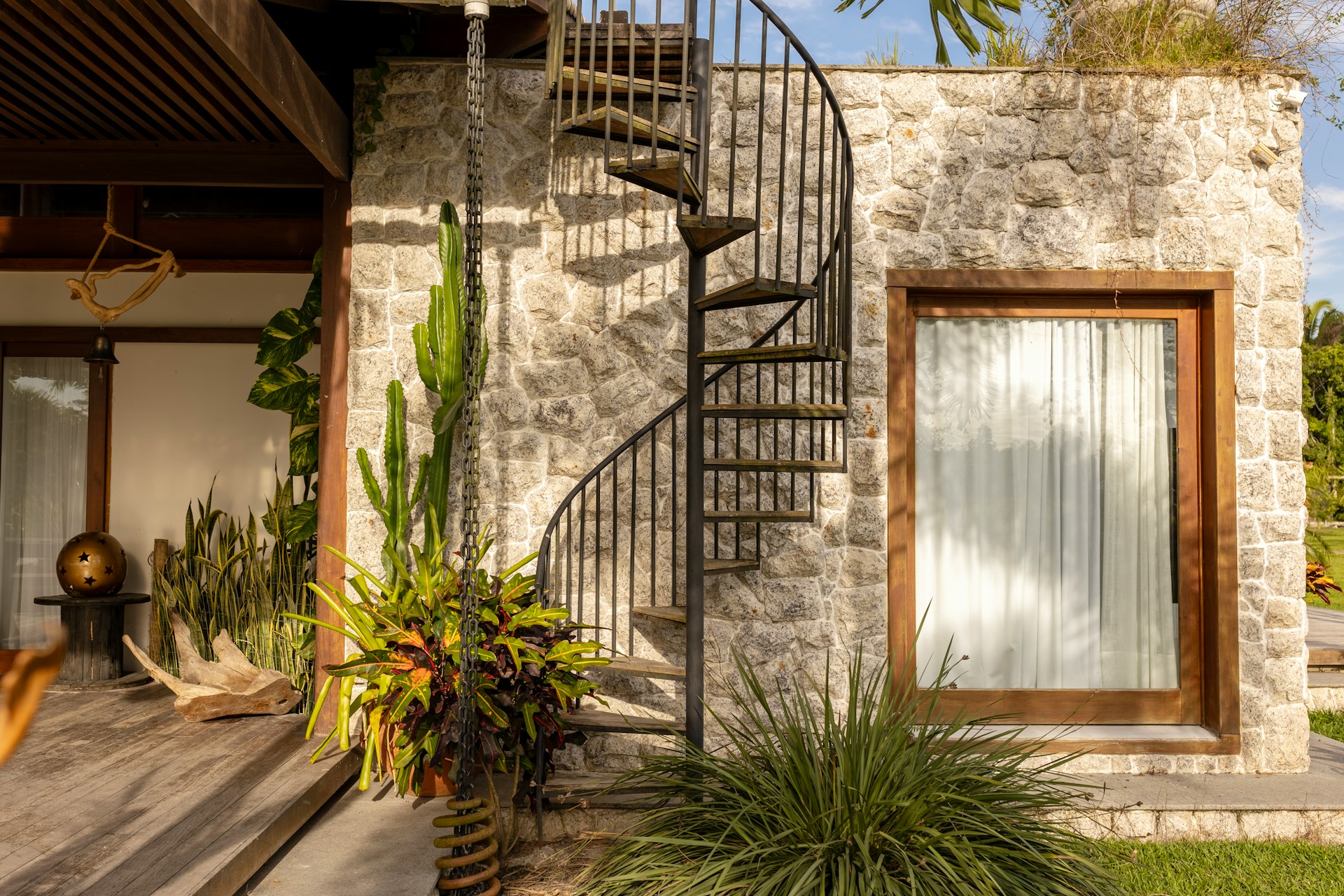
You can elevate any project by choosing reclaimed building materials that carry real history and unmistakable character. These are pieces shaped by time rather than manufactured to mimic age. When you source them with care, you save money, reduce waste, and bring deeper texture into your design. From reclaimed wood and antique brick to doors, mantels, and hardware, each material offers a story that new products simply cannot replicate.
This guide walks you through what reclaimed materials are, how to recognize quality, and where to find pieces that suit both your budget and your vision. You will learn how builders, architects, and homeowners select reclaimed components, how to inspect and prepare them, and how to use them with confidence. And if you want reclaimed materials that are authentic, carefully sourced, and ready for a new chapter, Bourgeois Materials can help you find the right pieces for your project.
Reclaimed building materials are items removed from old structures and reused in new projects. They include structural pieces, finish elements, and decorative one-of-a-kind pieces that carry age, history, and often better-than-new quality.
Common types include reclaimed wood (beams, flooring, trim), brick and stone, salvaged windows and doors, tiles, and architectural elements like mantels or corbels. Metal items such as cast-iron radiators or steel beams also appear frequently.
You’ll find reclaimed lumber from barns and old houses; it often shows tight grain and nail holes that add character. Bricks from demolitions can be cleaned and reused for walls or paving. Old windows and doors may need reglazing or new hardware, but they save embodied energy compared with new units.
Look for suppliers who grade materials for soundness and provide measurements and photos. That helps you match pieces to your project and avoid surprises on delivery or installation.
Reclaimed materials have been intentionally removed, cleaned, and prepared for reuse. Salvaged materials are rescued from a site to prevent landfill disposal and may need more processing. Used materials simply describe any previously owned items and can include off-the-shelf leftovers with little history.
You’ll often pay more for reclaimed items because they’re inspected, sorted, and marketed for reuse. Salvaged materials may be cheaper but require more time to inspect and treat. Used building materials from auctions or classifieds can be the least costly, but quality and dimensions vary more.
When sourcing, ask sellers whether items were reclaimed, salvaged, or simply used. That tells you what prep work to expect and whether the piece is structurally sound or mainly decorative.
Reclaimed materials often show patina, tool marks, and color variations you won’t get from new stock. These one-of-a-kind pieces give your project visual depth and a sense of history. For example, floorboards cut from old-growth trees have wider planks and denser grain than most new lumber.
Beyond looks, reclaimed items can offer practical benefits: dense old-growth wood resists wear, and thick bricks retain thermal mass. However, check for hidden issues like lead paint, rot, or pests before installation.
You can mix reclaimed pieces with modern materials for stability and code compliance. Use reclaimed doors or mantels as focal points, and reserve structural reuse for vetted items to ensure safety and longevity.
Buying reclaimed materials cuts waste, saves resources, and gives your project a unique look. You get lower embodied energy, often lower cost, and pieces with history and strong craft. These benefits show up in real ways you can plan for and use.
When you choose reclaimed wood or salvaged materials, you stop usable material from reaching the landfill. That reduces construction and demolition waste, which makes up a large share of debris nationwide. Reusing timber, brick, or metal also avoids the energy needed to extract and manufacture new materials. For example, recycled aluminum uses about 5% of the energy of new aluminum production.
You also lower your project’s embodied carbon. Salvaged flooring or beams often predate modern milling, so they can be denser and longer-lasting than new counterparts. Sourcing locally reclaimed items shortens transport distance, further cutting emissions.
Reclaimed materials can reduce your material costs when you shop smart. Habitat ReStores, salvage yards, and online marketplaces often sell doors, windows, and cabinets at a fraction of new-retail prices. You may also save on demolition disposal fees if you arrange to take materials from a tear-down.
Some reclaimed pieces require less maintenance over time because older-growth wood and heavy masonry are durable. That can lower life-cycle costs. Keep in mind you may spend time or money on cleaning, re-milling, or specialty fasteners, so factor that into your budget.
Reclaimed wood and salvaged elements give your interior design character you rarely get from new materials. Old-growth planks, exposed beams, and vintage hardware bring texture, color, and patina that create focal points in kitchens, living areas, or staircases. You can mix reclaimed flooring with new tile or use salvaged doors to add architectural detail.
You also gain flexibility: reclaimed boards can be repurposed as countertops, shelving, wall cladding, or custom furniture. Because each piece is unique, you can create signature looks tailored to your style. If you want a consistent finish, have materials planed or stained to match.
If you want reclaimed materials with real provenance and lasting value, the most reliable source is a supplier that specializes in careful recovery, thoughtful curation, and dependable delivery. That is the standard at Bourgeois Materials, where every piece is selected for authenticity, structural integrity, and the story it brings to a project. Instead of sorting through inconsistent thrift outlets or unpredictable online listings, you can work directly with a team that treats reclaimed materials as craft rather than commodity.
At Bourgeois Materials, reclaimed building materials are gathered from historic demolition sites across the country and prepared with purpose. Each beam, board, brick, and architectural element is inspected for quality and stored under conditions that protect age, patina, and strength. You receive materials that are genuine, vetted, and ready to be integrated into your project with confidence.
Customers turn to Bourgeois Materials because the inventory is consistent, the documentation is clear, and the team understands the demands of both modern builds and historic restoration. You can request detailed photos, measurements, and provenance notes so you know exactly what you are getting before anything arrives on site. This level of care removes the guesswork that comes with informal salvage sources.
Rather than searching through thrift stores or browsing mixed-condition salvage piles, clients benefit from a curated selection that includes reclaimed wood, antique brick, aged stone, doors, windows, mantels, and other architectural elements. Materials are sorted by species, dimension, character, and intended use so you can match items to your plans without delays or compromises.
The team also assists with selection, helping builders, architects, and homeowners identify pieces that meet structural needs, aesthetic goals, and project timelines. Whether you need a large run of reclaimed beams or a single, character-rich mantel, sourcing becomes a guided process instead of a hunt.
Bourgeois Materials prepares reclaimed items for straightforward transport and installation. Items are cleaned, secured, and crated with care so they arrive ready for your crew. This ensures you spend less time dealing with inconsistent stock or damaged materials and more time building with confidence.
If you want reclaimed materials that are authentic, dependable, and sourced with craftsmanship in mind, Bourgeois Materials offers a direct and trustworthy path.
Reclaimed materials offer character, saved costs, and lower environmental impact. You can use them structurally or as visible design elements, and they often require cleaning, testing, or refinishing before installation.
Reclaimed wood and barn wood work well for floors, wall cladding, furniture, and trim. You’ll find wide planks with rich patina, nail holes, and saw marks that add visual depth you can’t get from new lumber. Look for stable species like oak, chestnut, or Douglas fir and check moisture content and insect damage before buying.
Expect to pay more for hand-hewn or old-growth boards, but you often save on milling costs if you use the boards as-is. Sanding and a clear finish preserve the grain while keeping the aged look. For kitchens and bathrooms, seal the wood against humidity and use food-safe finishes on surfaces that touch food.
Reclaimed beams and mantels bring real history to a room and can serve as load-bearing elements if certified. Have beams inspected for structural soundness, cracks, and hidden rot. Mantels made from old timbers add focal points above fireplaces; fasten them to masonry or studs with heavy-duty anchors.
Barn doors cut from salvaged planks give doorways a rustic feel and save space with sliding hardware. Measure openings precisely and select hardware rated for the door’s weight. When using old beams structurally, you may need to sister new lumber or add steel plates to meet code.
Antique hardware—hinges, latches, knobs, and pulls—adds authentic detail and often outlasts cheap modern parts. Test moving parts for wear and replace pins or springs where needed. Brass, bronze, and cast iron clean up well with mild abrasives and a protective wax or oil.
Salvaged lighting fixtures and plumbing fixtures can be rewired or replumbed to meet code. Keep original finish when possible; it preserves value and character. For usability, retrofit fixtures with modern wiring, ground-fault protection, or new valves while keeping visible parts authentic.
Reclaimed and used building materials can save money and add character, but they need careful inspection, realistic budgeting, and proper prep before installation. Focus on source, condition, and safety to avoid hidden costs and delays.
Check each piece for rot, insect damage, and embedded metal before you buy. Probe with a screwdriver to test softness, look for tunnels or frass for insects, and run a magnet to find hidden nails or screws. Ask sellers where materials came from — beams from demolished barns, flooring from old homes, or surplus from contractors — so you can judge likely age and treatments.
Prefer suppliers that kiln-dry lumber, de-nail and grade stock, or provide condition photos and returns. Inspect paint for lead when dealing with old painted trim; if present, budget for professional removal or testing. For structural pieces, get a written statement about load capacity or have an engineer inspect large beams.
Use salvage yards, reclamation dealers, online marketplaces, and local demolition contacts. Visit sites in person when possible. Take measurements and photos and bring a checklist so you don’t miss hidden defects.
Factor in purchase price plus cleaning, finishing, and repair. Reclaimed flooring or special millwork often costs more per unit than new stock once labor is added. Estimate removal of nails, sanding, kiln-drying, and any structural reinforcement.
Include transport costs. Heavy beams and long planks may need a truck or special handling. Also plan for waste: expect 10–20% unusable pieces when you source from demolition sites.
Decide if you buy raw salvage or prepped stock. Raw pieces are cheaper but need time and tools. Prepped reclaimed materials cost more but reduce labor and risk. Compare total project cost, not just sticker price, when you pick unused or reclaimed options.
Clean and prep before installation. Remove nails and screws, use a metal detector to find hidden fasteners, and sand or plane rough faces. Kiln-dry or fully dry wood to prevent future warping and check moisture content before fitting.
Treat or seal wood that shows insect or fungal signs if you can’t replace it. Use borate treatments for insect risk and follow label safety. For painted items, test for lead and follow safe abatement or encapsulation methods.
Use appropriate fasteners and backing for older boards and beams; pre-drill when using reclaimed lumber to avoid splitting. When matching finishes, test stains and clear coats on scrap pieces to confirm color and adhesion. Label and store pieces by grade and location for a smoother installation process.
Reclaimed building materials do more than fill a need. They bring substance, longevity, and a sense of place that new products rarely match. When you source them thoughtfully, you add depth to your design, reduce environmental impact, and give every room or structure a story worth telling. The key is choosing materials with proven history, reliable documentation, and the craftsmanship that only time can create.
If you want reclaimed pieces that meet those standards, explore the curated selections at Bourgeois Materials. Our team gathers and prepares authentic materials with care so you can build with confidence, character, and intention. Reach out when you are ready to choose materials that enrich your project and honor the craft behind it.
You’ll learn why reclaimed materials save resources and add character, how to check condition and provenance, what common materials you can buy, where to find trusted sellers, what legal tests and permits might apply, and how to plan installations to avoid future problems.
Reclaimed materials cut the need for new milling, quarrying, or manufacturing. That lowers embodied carbon and reduces landfill waste from demolition.
You also gain unique textures and aged finishes not available in new stock. Many reclaimed timbers and bricks came from old-growth wood or were fired in traditional kilns, which can offer greater density and visual depth.
Ask the seller for provenance details and photos of the material in its original location. Request condition reports and any testing results for moisture, rot, or contaminants.
Inspect samples in person when possible. Check for structural soundness: straightness in beams, spalling or efflorescence in bricks, and cracks or previous repairs in stone.
Common reclaimed items include barn and mill timbers, wide-plank flooring, antique brick, flagstone, cast-iron elements, doors, and architectural millwork. Hardware like hinges and locks also appears frequently.
You can also find specialty pieces such as mantels, corbels, stair parts, and vintage windows. Availability depends on regional history and recent deconstruction projects.
Look for architectural salvage yards and specialty dealers that publish photos, dimensions, and provenance. Visit showrooms to inspect pieces and ask about restoration services.
Contact local preservation groups, deconstruction crews, or Habitat ReStores for leads. Read reviews and ask for references, especially for large or structural items.
Check local building codes and permit requirements before using reclaimed materials structurally. Some jurisdictions require material testing or engineer sign-off for reused beams and load-bearing elements.
Confirm that materials don’t contain regulated hazards like asbestos or lead paint without proper abatement. Obtain written permission and documentation when salvaging from demolition sites.
Document provenance, conduct condition tests, and note any treatments applied to each item. Label materials and keep a log of their origins and any repairs or treatments they received.
Work with contractors who have experience in deconstruction and historic materials. Use compatible mortars and finishes, plan mock-ups to match color and texture, and schedule regular maintenance checks after installation.
