

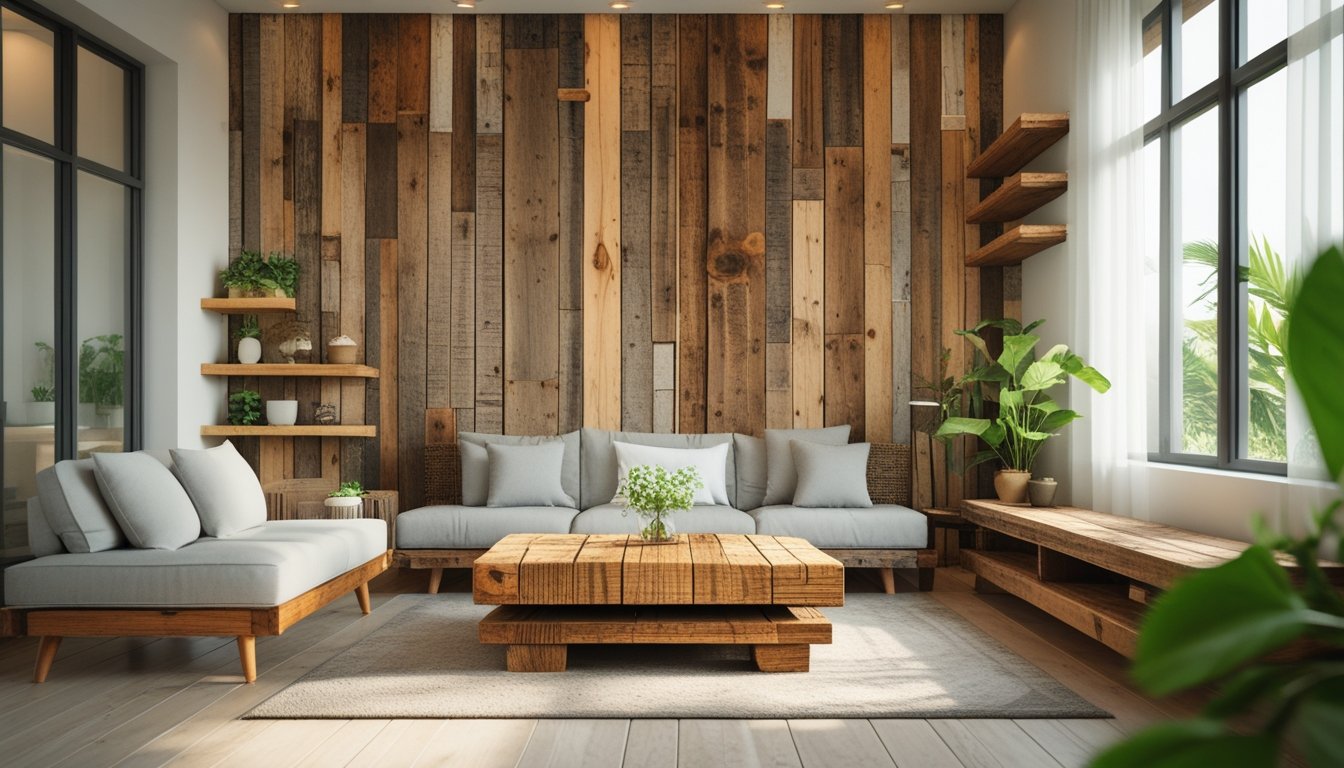
Buying reclaimed wood is one of the most effective ways to bring natural warmth, history, and character into your home. Unlike new lumber, reclaimed wood carries authentic marks of age—tight grain, deep patina, and imperfections shaped by decades of real use.
When you source from Bourgeois Materials, you know every beam, board, and plank is carefully salvaged from historic barns, mills, and industrial structures. This ensures you’re getting genuine, time-tested wood with true craftsmanship and origin—not mass-produced imitations.
In this guide, you’ll learn what reclaimed wood is, why it’s valuable, how to choose the right materials, where to buy them, and how to integrate reclaimed wood into renovations, furniture, and decorative projects with lasting beauty.
Reclaimed wood comes with a story and character you won’t find in new lumber. It's important to know what reclaimed wood is, how it’s different from fresh wood, and where it usually comes from. These details help you choose the right material for your project and appreciate its history.
Reclaimed wood has been used before and is carefully salvaged for new use. People take it from old buildings, barns, factories, or other structures that are being demolished or renovated. This wood often carries marks, nail holes, and weathered textures that show its age.
You’re not just buying wood; you’re investing in a piece of history. Reclaimed wood often has richer color and tighter grain because it grew much more slowly in old forests compared to modern lumber. Each plank or beam has a unique story embedded in its surface.
New wood is freshly cut and usually uniform in appearance and quality. It lacks the natural wear and aged look that reclaimed wood offers. Reclaimed wood often shows signs of years of use, like knots, changes in color, and surface imperfections. These characteristics add warmth and charm to any space.
Reclaimed wood is more stable because it has already dried over time. This reduces the chance of shrinking or warping when you install it. If you value durability and character in your projects, reclaimed wood offers qualities that new lumber can’t match.
Reclaimed wood comes from many historic places. The most common sources include:
Choosing reclaimed wood means you get materials that are good for the planet, have a look you won’t find anywhere else, and carry real stories from the past. You can create a space with character and lasting value by using these unique wood pieces.
When you buy reclaimed wood, you help reduce the need to cut down new trees. This saves forests and protects wildlife habitats. Reusing wood also keeps old materials out of landfills, reducing waste and pollution.
Reclaimed wood often comes from old buildings or barns. Instead of letting these structures go to waste, you give the wood a second life. This process uses less energy than producing new wood products, so it lowers your project’s carbon footprint.
Reclaimed wood doesn’t just help reduce local waste—it contributes to a global reduction in material disposal and carbon intensity.
According to the U.S. Environmental Protection Agency, construction and demolition debris in the U.S. alone accounts for hundreds of millions of tons of waste each year. Wood represents a significant portion of the waste.
Reusing reclaimed wood prevents usable material from entering landfills. It also reduces the demand for newly manufactured products, which require energy-intensive processing and transportation.
Reclaimed wood has a distinct look that new wood cannot match. It shows natural wear like nail holes, color variations, and a rich patina developed over many years. These marks tell a story and add warmth and depth to your space.
No two pieces are exactly alike. This makes your project one of a kind. The texture and character of real aged wood create a cozy, lived-in feeling that lasts.
Using reclaimed wood connects your project to history. Many boards come from historic buildings or old farm structures, carrying a sense of place and time. When you build with this wood, you carry forward stories from the past.
You add depth and meaning to your home or project by including materials with a clear heritage. These woods show craftsmanship from earlier eras, often cut by hand or milled with skillful tools that are rarely used today.
Choosing reclaimed wood means looking for materials that are both strong and full of character. You want to find wood that lasts, fits your project’s style, and holds a unique story in its grain and texture.
Start by inspecting the wood closely. Look for signs of rot, insect damage, or deep cracks that could weaken the piece. Good reclaimed wood should feel solid and sturdy, not soft or crumbly.
Old wood often comes from old-growth trees, which means it’s usually denser and more durable than new wood. If you’re working on floors or furniture, prioritize wood with tight grain patterns for strength.
Check for any treatments or coatings that might affect the wood’s finish. Sometimes, reclaimed wood has nails or metal embedded, so remove those carefully or ask your supplier to do it.
Wood grades describe the appearance and strength of your reclaimed wood. Higher grades mean fewer knots, cracks, or defects. But sometimes, character marks like nail holes or uneven coloring add charm rather than harm.
Choosing the right grade depends on how much character you want versus needing clean, smooth surfaces.
The species of wood will affect your project’s look and durability. Hardwoods like oak, chestnut, or maple are dense and resist wear, making them ideal for flooring or heavy-use furniture.
Softer woods like pine or fir are easier to work with but less durable. They often have a warm look but may dent or scratch more easily.
Consider the wood’s origin too. Sourcing wood from historic barns and buildings offers you species with a story and a quality you won’t find in new lumber. Choose the species that matches your project’s needs, style, and history you want to honor.
Finding the right reclaimed wood means knowing where to look. You want sources that offer genuine materials with history, quality, and care. Whether you want a specialty dealer, an online marketplace, or a local salvage yard, each place has its own advantages.
Specialty dealers focus only on reclaimed wood from historic sources. They often have hand-selected pieces with unique character and rich stories. These dealers provide detailed information about the wood’s origin, such as old barns, factories, or warehouses. This helps you understand the history behind each piece.
Specialty dealers carefully reclaim wood that is authentic, rare, and ready to be part of your project's story. These dealers ensure the wood is checked for quality and prepared properly for use.
When buying from specialty dealers, you can expect expert advice and service. They often help you find the right type and size of wood for your project, making the process easier and more confident.
Online marketplaces give you access to a wide range of reclaimed wood without needing to visit in person. Many sellers list wood beams, planks, and other pieces with clear photos and descriptions. You can compare prices and styles all in one place.
Buying online is convenient, but it requires careful attention. Look for sellers with good reviews and detailed product histories. Ask questions about the wood’s age, condition, and treatment before buying.
Some platforms offer shipping directly to your site. This saves you time, but keep in mind shipping costs and delivery times when budgeting your project. Online marketplaces are useful if you want a variety of options with fast searching and direct buying.
Salvage yards are usually places where you can find reclaimed wood alongside other architectural elements like bricks or stone. You’ll often find materials pulled from local demolition sites or old buildings.
Visiting a salvage yard lets you inspect the wood up close. This hands-on experience helps you see the texture, patina, and quality before deciding. It can also be an adventure to discover hidden gems or unexpected pieces.
Keep in mind, salvage yards might not have the same expert grading or history details offered by specialty dealers. Sometimes the wood needs more preparation once bought. Still, salvage yards are great if you like hunting for unique, historic wood in person and want to support local reuse efforts.
Reclaimed wood adds warmth and character to many projects. Whether you're fixing up your home, making furniture, or creating small decorative touches, this wood has a unique story that brings authenticity to your space.
Using reclaimed wood in home renovation gives your space a timeless look. You can use this wood for flooring, ceiling beams, and wall paneling. It’s perfect if you want to add a rustic or historic feel to your rooms.
The wood often shows signs of its past life, such as nail holes or weathered marks. These details add charm and a sense of history. Plus, reclaimed wood is usually stronger and more durable because it comes from old-growth trees.
Reclaimed wood is a popular choice for crafting tables, chairs, shelves, and cabinets. It gives furniture a unique look that you won’t find with new lumber. The aging process creates varied textures and colors that make each piece special.
You can use it for both structural parts and decorative elements. For example, old beams make sturdy tabletops, while smaller pieces work well for drawers or accents. Using reclaimed wood also helps reduce waste by recycling materials.
Small touches made from reclaimed wood can enhance your home’s style. Picture frames, coat racks, shelves, and mantelpieces all look better with authentic wood that tells a story. These accents bring warmth and character to any room.
You can combine wood with metal, glass, or stone for a modern twist on historic materials. Reclaimed wood’s natural imperfections become a design feature, not a flaw. One-of-a-kind pieces suit your decorative ideas and bring a piece of the past into your everyday life.
When buying reclaimed wood, you’ll want to understand what affects the price and how those costs compare to new wood. This helps you plan your budget and find the best value for your project.
The price of reclaimed wood depends on several key things. The age and source matter. Older wood from historic barns or buildings often costs more because it is rare and has unique character.
The condition and preparation affect the price. Wood that needs more cleaning, sanding, or cutting can add to your cost.
Type and species also play a role. Hardwoods like oak or chestnut usually cost more than softer woods. Availability matters as well. If the wood is hard to find, like certain beams or architectural pieces, prices rise.
Reclaimed wood often costs more per board foot than new lumber because workers spend extra time recovering, cleaning, and preparing the materials.
Reclaimed wood gives you value beyond price. Its unique textures and history add character that new wood can’t match. It also reduces demand on forests, making it an eco-friendly choice.
New wood tends to be cheaper but lacks the stories and craftsmanship found in reclaimed materials. When comparing costs, consider both the material price and the long-term value you get from authentic wood.
Take care of reclaimed wood by treating it gently and using the right methods to keep its history and beauty intact. Clean it carefully and finish it to protect the wood without hiding its character.
Dust your reclaimed wood regularly with a soft cloth or a vacuum with a brush attachment. Avoid harsh cleaners or too much water because reclaimed wood can be sensitive to moisture. If you need to remove sticky residue or grime, use a mild soap diluted in water and apply it sparingly.
Check your wood often for damage like cracks or loose nails. Address any issues quickly to prevent further wear. If you notice dry areas, apply a light coat of natural oil like tung or linseed oil to nourish the wood and keep it from drying out.
Avoid placing reclaimed wood near direct heat sources or in very humid places. This helps prevent warping or splitting. The charm of reclaimed wood comes from its age and use, so gentle care is key.
When finishing reclaimed wood, choose products that protect while honoring its history. Use breathable finishes like natural oils and waxes instead of heavy sealants or polyurethane, which can trap moisture and damage the wood over time.
Before applying any finish, sand the surface lightly to remove rough spots but keep dents and marks that tell the wood’s story. Test finishes on a small, hidden area to see how the wood reacts and to maintain the natural look.
Apply thin, even coats of finish, letting each dry thoroughly. This preserves the wood’s texture and avoids a plastic-like appearance. If you want a stronger finish, apply multiple coats of natural oil or wax without losing authenticity.
When you choose reclaimed wood, you help reduce demand for new lumber. This means fewer trees are cut down, which protects forests and supports wildlife habitats. Using wood from old buildings also keeps waste out of landfills.
Sourcing reclaimed wood involves careful selection. Choose wood that is authentic, strong, and free from harmful chemicals. Expert reclamation ensures these qualities and helps you avoid hidden costs from mass-produced materials.
Key benefits of reclaimed wood sourcing include:
By choosing carefully reclaimed wood, you bring character and responsibility to your project. It’s about more than just material—it’s about honoring the past while building your future.
Reclaimed wood adds character and history to your space. Many designers now favor wood that shows its past—natural wear, knots, and grain patterns tell stories you won’t find in new wood.
You can use reclaimed wood in many ways:
Popular trends include mixing reclaimed wood with modern metal or glass to create contrast. This blend highlights the wood’s natural beauty while keeping your design fresh.
Hand-hewn beams from an old barn or weathered floorboards carry a legacy that adds unique value. Each part brings real history to your project.
When you choose reclaimed wood, you make an eco-friendly choice and invite craftsmanship into your home. The right piece can transform a room by connecting past and present in a way nothing new can replicate.
Think about your project’s story. What history do you want your space to tell? Reclaimed wood offers endless possibilities to create a look that’s personal, authentic, and timeless.
Choosing reclaimed wood means choosing a material with soul—a building element shaped by heritage, durability, and natural character that new lumber can’t match. Every board holds the marks of its past and adds depth to your design.
By sourcing your materials through Bourgeois Materials, you ensure that every piece of reclaimed wood is authentic and properly vetted. Each piece is selected for its beauty, strength, and historical value. This gives your project the confidence of genuine craftsmanship paired with sustainable reuse.
Transform your next renovation or custom build with reclaimed wood that tells a real story—reach out to start your project today and bring meaningful history into your home.
Buying reclaimed wood means paying attention to its condition, source, and how it suits your project space. Finding the right materials often involves looking beyond local stores and preparing your installation area well. Cost-saving steps and knowing what to expect from barn wood or old-growth lumber also help you make smart choices.
Look closely for signs of damage like rot, insect holes, or warping. Good reclaimed wood should be stable and clean. Ask for information about its origin and history to confirm authenticity.
Check specialty dealers who focus on reclaimed materials. You can also visit demolition sites or salvage yards with permission. Online sources offer nationwide access if local options are limited.
Buy larger quantities to get better pricing. Choose wood that needs less repair or treatment. Consider materials that come ready to install, reducing your labor time and costs.
Make sure your walls or floors are clean and dry. Check for level surfaces to prevent uneven installation. Sometimes, a moisture barrier helps protect both the structure and wood.
Choose boards with a tight grain and rich color. Look for wood that still has strength without too many cracks or splits. The wood’s character, such as nail holes and patina, adds authentic charm.
Yes, you can often find old-growth lumber in reclaimed wood from historic buildings. These timbers are usually denser and more durable than newer wood, making them highly sought after for special projects.
