

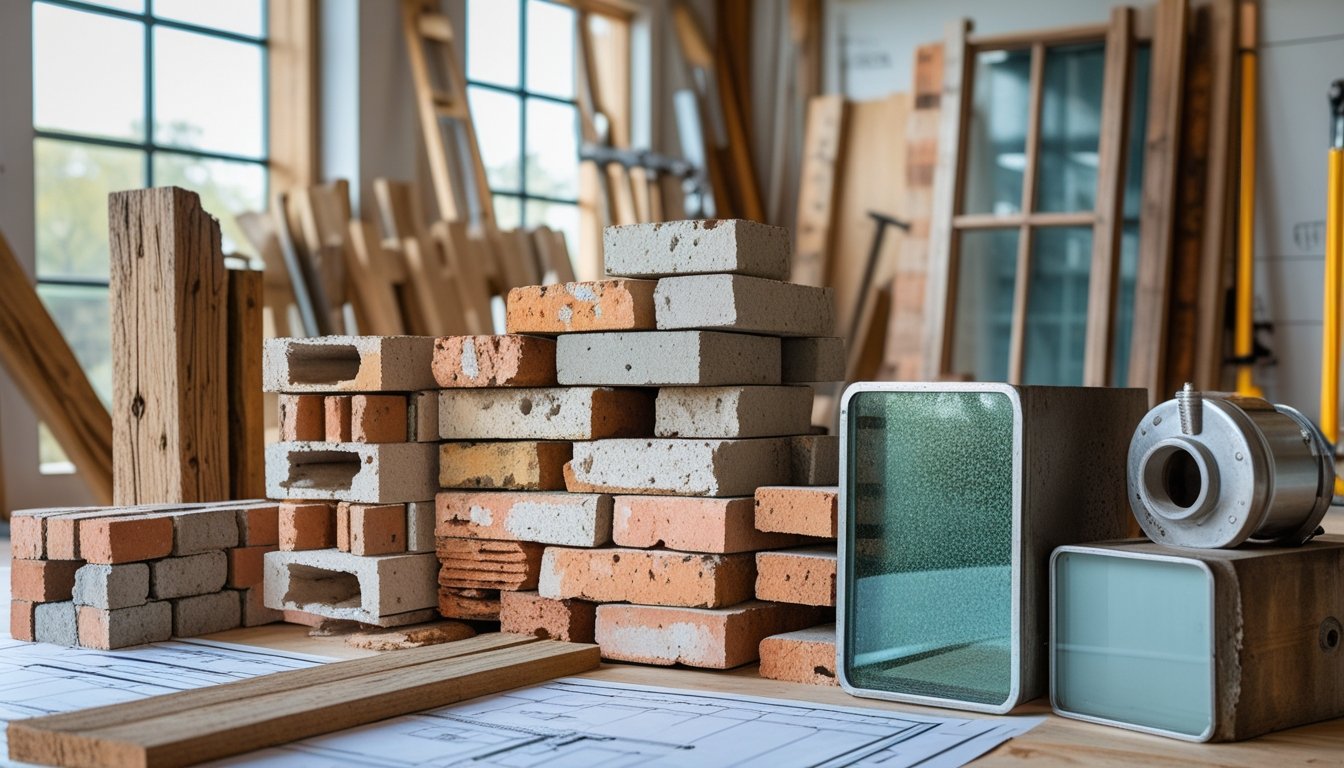
Rare reclaimed building materials offer a level of character, craftsmanship, and authenticity that modern materials simply cannot match. These pieces—shaped by age, weather, and the hands of past artisans—bring depth and personality into any home or project.
Bourgeois Materials makes sourcing these rare, historic elements simple and reliable. We offer authentic reclaimed wood, antique bricks, stone, and other salvaged building materials from heritage structures across the country. Our experts select and deliver authentic pieces with rich history and craftsmanship.
Choosing rare reclaimed materials means investing in sustainability, authenticity, and timeless design. With the right guidance and sourcing, your project becomes a continuation of the stories embedded in each of these remarkable materials.
Rare reclaimed building materials are pieces of history that you can bring into your home or project. These materials stand out because of their age, unique appearance, and the story behind them. They are not easy to find, but they can add authentic charm and character.
Rare reclaimed building materials are authentic components salvaged from old buildings, barns, or historic sites. These materials show signs of their long life—like weathered wood, worn bricks, or antique stone with unique textures.
What makes them rare is their age, quality, and the craft behind how they were made. Many pieces were hand-hewn or made using techniques no longer common.
Because they were part of buildings that might have stood for centuries, each piece carries a rich history. When you use them, you’re not just building—you’re preserving a story.
Not all reclaimed materials are rare. Some are easier to find or mass-produced in their time. A material becomes rare when:
For example, New Orleans Hard Tan bricks, often used in the city’s Garden District sidewalks, are valued for their durability and aged beauty. These kinds of bricks are rare due to their history and the specific firing process used in the 19th century.
You’ll find rare reclaimed materials mainly from historic demolition sites. Old barns, warehouses, and century-old homes often hold treasures like:
These sources provide materials that connect your build to a genuine past while offering quality and durability.
You can find many unique and historic materials that add true character and quality to your projects. These materials come from old buildings, barns, and factories, offering strength and beauty that new materials often lack.
Antique wood beams carry a story that new lumber can't match. Often hand-hewn or milled from old-growth trees, they show marks from decades or even centuries of use. These beams have natural aging, including wear, nail holes, and grain patterns that tell their history.
Because craftsmen cut these beams before modern mills existed, they tend to be stronger and denser. They can support heavy loads, which is valuable if you want both beauty and function. Using reclaimed beams reduces waste and adds warmth to spaces like great rooms or outdoor porches.
Historic bricks are prized for their color, texture, and toughness. Many are fired in ways that give variations in tone and hardness that you can't replicate today. For example, New Orleans' hard tan bricks are semi-fired and can handle foot traffic while offering a distinctive look.
These bricks appear in walls, columns, and sidewalks, often arranged in patterns like herringbone. When you use historic bricks, you add authentic charm and a piece of the past to your project. They resist weather well and develop a subtle patina over time, enhancing their appeal.
Vintage metalwork includes items like iron railings, hardware, and decorative pieces reclaimed from old buildings. Craftsmen handcrafted or forged these metals with techniques lost today, giving them unique designs and solid construction.
You can use vintage metalwork for gates, stair railings, or accents that provide both function and style. The natural aging of metal adds patina and depth, making each piece one of a kind.
Unlike new metal, reclaimed vintage items often have a sturdier feel and more detailed craftsmanship. Choosing vintage metal elements can set your project apart with authentic artistry and durability.
Finding authentic reclaimed materials means knowing where to look, working with experts, and confirming that each piece has a true history. These steps ensure your project uses genuine, rare elements that carry real character.
You can find authentic reclaimed materials in old buildings set for demolition, historic barns, and warehouses. These places often hold hand-hewn wood beams, antique bricks, and flooring with rich patina.
Look for materials with clear signs of age and craftsmanship. For instance, hard tan bricks from the 19th century are durable and unique. They can be used for floors, walls, or columns, showing a connection to history.
When searching, visit salvage yards or explore local historic demolition sites, but be ready to dig for quality pieces — the best materials rarely come easy.
Salvage specialists know how to identify rare and authentic pieces. They help you avoid replicas or materials without character. These experts inspect the material’s condition, history, and suitability for your project.
When you work with specialists, you can expect detailed knowledge about sources and proper handling techniques. This protects the integrity of aging wood, stone, or brick.
Verifying provenance means confirming a material’s origin and history. This is critical to ensure what you use is truly reclaimed and not a reproduction. Ask for documentation or a detailed background on where the material comes from.
Provenance can include photos of the original site, age estimates, or stories about how it was used. Look for physical markers too, like unique nail holes, weathered textures, or historical construction techniques. These clues add certainty and depth to the pieces you choose.
By confirming provenance, you ensure your project honors authenticity and gains value from materials that have genuine pasts.
Using rare reclaimed building materials brings real benefits to your project. You save resources, get unique looks, and keep the stories of old buildings alive. These materials offer more than just function; they add character and meaning that new products can't match.
Choosing reclaimed materials helps reduce waste by giving new life to wood, stone, or brick that would otherwise end up in landfills. This lowers the demand for new raw materials, which means fewer trees are cut down and less energy is spent on manufacturing.
Reclaimed materials often come from historic buildings, so you avoid the emissions tied to producing new items. Using them supports a circular economy by recycling real, high-quality products that last longer than many modern alternatives.
Rare reclaimed materials bring a look no new product can match. Hand-hewn beams carry marks of old tools, and antique bricks show subtle color differences you won’t find in mass-produced blocks.
Each piece has character—knots, nail holes, and weathering—that tells a story and creates warmth in your space. These imperfections add depth and authenticity rather than uniformity.
Using these elements lets you create a design that stands out. Whether it’s a rustic beam or vintage flooring, your space gains a timeless quality that can’t be copied.
By choosing reclaimed materials, you keep part of history alive in your home or building. Barn boards, old stone, and slate roofs carry stories of past craftsmanship and regional culture.
Materials from historic demolition sites connect your project to decades or centuries earlier. You honor the skill and time that shaped those original structures by letting these materials live on.
Using rare reclaimed materials adds character and history to your project, but it also comes with hurdles. These challenges include finding enough material, blending old and new building methods, and handling the costs that come with unique, hand-selected pieces.
Recent industry analysis shows that as historic buildings are demolished or preserved, the available stock of truly rare reclaimed materials becomes smaller, making lead times longer and costs higher.
A study published by McKinsey & Company in the built-environment sector noted: “reusing existing building structure preserves materials at a higher value, reducing the need for new materials”. Knowing this, sourcing early and securing inventory is crucial in rare reclaimed material projects.
Finding rare reclaimed materials is not easy. These items come from old buildings that may no longer exist, so the amount available is limited. For example, authentic New Orleans Hard Tan bricks or hand-hewn wooden beams can only be salvaged from specific historic sites.
Because of this rarity, you might have to wait or source from multiple locations. You may not get the exact quantity or style needed right away, affecting your project timeline.
Reclaimed materials come from older buildings with different construction methods. This sometimes makes them harder to use in new builds. For instance, old bricks may be uneven, or reclaimed wood might need extra treatment to meet safety codes.
You’ll often need skilled craftsmen who understand how to blend the aged material with modern techniques. Adjustments on-site are common, like resizing stone pavers or reinforcing beams.
Rare reclaimed materials usually cost more than new ones. The price reflects their history, quality, and the careful process of salvage, cleaning, and delivery. Transporting fragile antique bricks or hand-cut wood adds costs.
You can expect higher labor expenses, too, since working with old materials takes extra care and skill. Unexpected issues, like repairing cracks or matching pieces, can also increase costs.
When working with rare reclaimed building materials, you need to carefully check their condition, clean them properly, and know the right ways to fix and save them. Choosing pieces with strong history and sound quality makes your project stand out and last longer.
Start by inspecting each piece closely. Look for signs of damage like rot, cracks, or insect holes. Some wear shows character, but too much can weaken the material. Choose pieces that still hold strength and stability.
Check for any previous repairs that might fail over time. Consider the type of wood, brick, or stone. Hardwoods and dense bricks tend to last longer. Ask about the material’s origin and age—it matters for how it fits your design and how it performs.
Remove dirt, old paint, and residue gently to avoid damage. Use mild soaps or specialized cleaners for reclaimed materials. Avoid harsh chemicals that can strip away historic patina or weaken fibers.
For wood, start with soft brushes or rags. Light sanding may help, but don’t erase the original texture. For bricks and stone, use low-pressure washing or gentle scrubbing.
Dry materials thoroughly after cleaning to prevent mold or warping. Proper drying also helps you spot hidden issues before installation.
When repairing, keep original features intact. Use matching materials for any patches or replacements to maintain authenticity. For wood, fill small cracks with wood putty that blends with the grain. For larger damages, splice in new parts trimmed to fit.
For bricks or stone, use mortar that matches the original color and composition. Avoid modern cement that can cause cracking. Use coatings or sealers made specifically for reclaimed elements. They should let the material breathe to avoid trapping moisture.
Using rare reclaimed materials brings depth and character to any project. These unique pieces tell stories through their wear and craftsmanship. They add beauty, history, and authenticity, whether you work on homes, businesses, or creative spaces.
Imagine your home with hand-hewn wood beams that have stood for centuries. These beams support your structure and carry a story from barns or old farmhouses. Adding antique bricks—like New Orleans Hard Tan bricks—can create durable floors or walls with a timeless look.
You can use reclaimed stone for unique flooring or feature walls that stand out. These materials give your living spaces a warm, historic feel that new materials can’t match. Choosing authentic materials makes a statement of quality and care.
In offices, restaurants, or public buildings, rare reclaimed materials set a strong tone. Imagine walking in and noticing original stone floors or old bricks arranged in classic patterns like herringbone. These details show respect for history and a commitment to excellence.
Reclaimed wood works well for ceiling beams, counters, or shelving. It creates a welcoming, natural atmosphere that invites guests to linger. Real, historic materials add value by connecting visitors with the story behind the build.
Artists and designers seek out rare reclaimed pieces for unique projects. These materials offer a blend of history and texture that new materials can’t deliver. You might see reclaimed wood in sculpture bases or antique bricks in art installations.
Authenticity brings ideas to life with depth and meaning. Using real, historic materials can turn a simple creative project into something memorable. Pieces with clear stories and visible craftsmanship enhance the final result.
Rare reclaimed materials will play a bigger role in building projects. Sustainability is more important than ever. Using authentic, historic materials reduces waste and saves valuable resources.
New technologies make it easier to reclaim and restore old materials. Better cleaning, cutting, and sealing methods keep the original character intact. You get authentic materials that are also ready for modern use.
Using reclaimed materials fits well with contemporary design. You can mix history with modern styles to create spaces that feel personal and meaningful. Finding the right pieces elevates your project beyond the ordinary.
As more builders and homeowners seek genuine, responsible choices, the market for rare reclaimed materials will keep growing. You’re not just building structures—you’re preserving heritage and making something truly special.
Rare reclaimed building materials bring depth and meaning to any build. These pieces carry the marks of time—hand-cut textures, natural patina, and craftsmanship you simply cannot reproduce today.
Bourgeois Materials makes that process easier by sourcing authentic, historic pieces from across the country. Their careful selection and delivery of reclaimed materials provide elements that enhance your design and honor their origins.
Whether you're building a new space or restoring a historic one, rare reclaimed materials offer unmatched sustainability, beauty, and authenticity. Bring true heritage into your next project—and let your design begin its next chapter with Bourgeois Materials today. Get in touch today to learn more.
Using rare reclaimed building materials adds character and history to your project. You can find genuine pieces with care, check their quality before buying, and blend them well into modern designs. There are also clear benefits for the environment and rules to follow during use.
You can find rare reclaimed materials through specialty companies. They source authentic pieces from historic demolition sites across the U.S. Look for suppliers who offer nationwide delivery and have a reputation for genuine, hand-selected materials.
Old barns, farmhouses, and historic buildings are great places to source materials. Salvage yards and architectural salvage retailers focused on authentic pieces also have a wide selection. Specialty suppliers work with these sources to bring you items like hand-hewn wood beams and antique bricks.
Inspect materials for signs of damage like rot, pests, or cracks. Ask about their origin to confirm authenticity. If possible, get samples and request detailed descriptions. Working with trusted suppliers reduces risk and ensures you get real, high-quality materials.
Mix old and new by using reclaimed wood for focal points like beams or flooring. Pair antique bricks with contemporary finishes for contrast. Plan early to match materials with your design and allow time for cleaning and preparation.
Reusing materials cuts down on waste sent to landfills. It also lowers demand for new resources and reduces the carbon footprint of your project. You help preserve history while making an eco-friendly choice by choosing reclaimed elements.
Building codes vary by location, so check local rules before starting your project. Some materials must meet safety standards or have certifications. Your supplier can often guide you on compliance and help you avoid surprises during inspections.
