

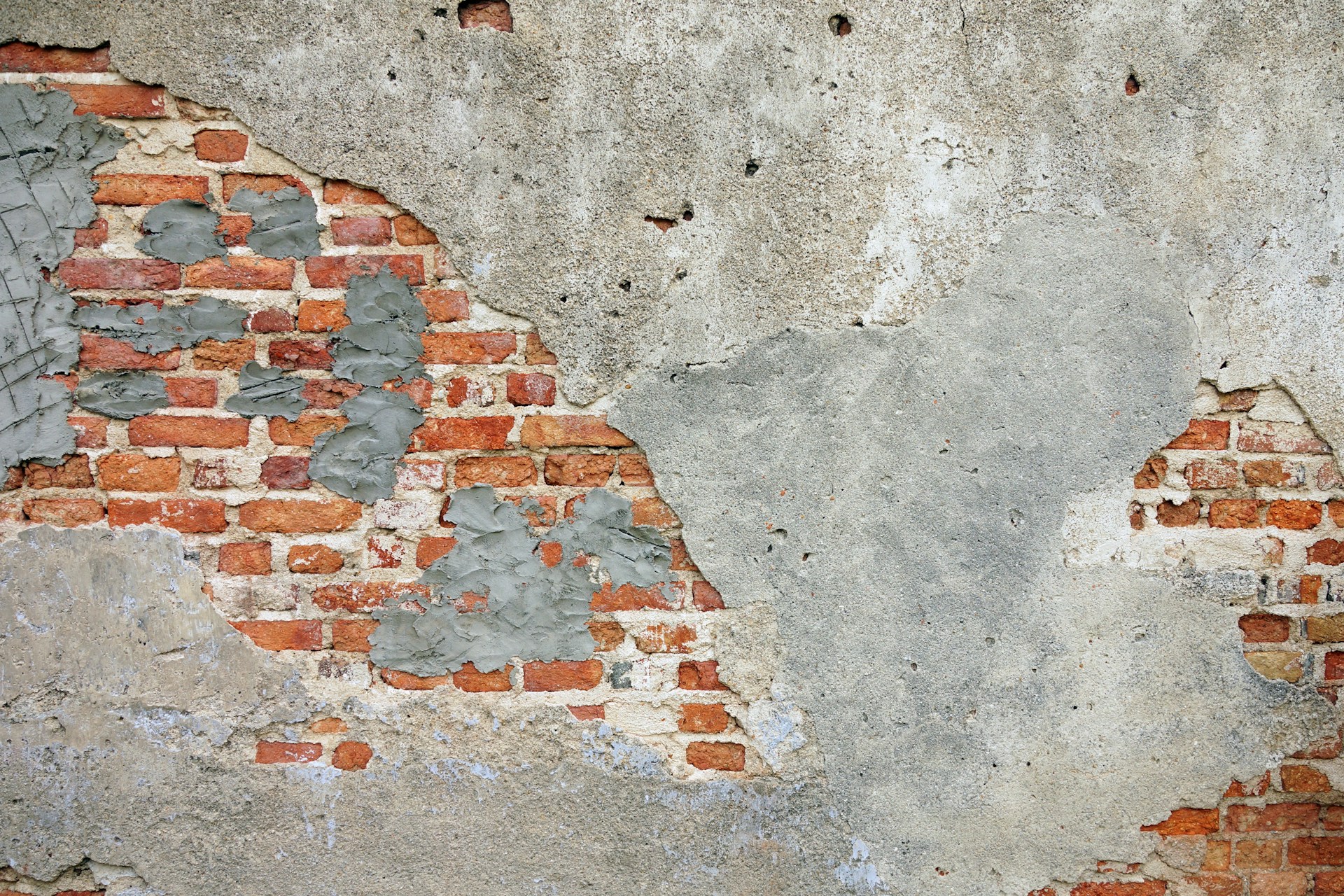
Antique brick offers something modern factories just can't fake: the compressed memory of real use, weather, and time. If you're looking for authentic reclaimed brick for sale, a quick search won't cut it. You need to know what real salvage looks like, where it comes from, and how to spot a well-sorted pallet instead of a pile of random leftovers.
At Bourgeois Materials, we travel to demolition sites across the country to source historic brick. We vet every lot for quality, provenance, and project-readiness before it ever gets near a jobsite.
In this guide, you'll find what to look for in authentic reclaimed brick, which types fit which jobs, how to judge quality before you buy, and why sourcing expertise is a big deal when you're building or restoring something meant to last.
Reclaimed and antique brick bring qualities that period-correct design really needs. No new product fully captures what decades of age, old firing methods, and real-world exposure create.
Historic brick was fired at lower, less predictable temperatures than today's stuff. That process left natural color variation, soft surface texture, and a depth of tone that machine-pressed brick can't match. Those little irregularities? They're the point. They give a wall or floor its warmth and visual heft.
Old bricks also vary in size and shape. That variation isn't a flaw—it's what creates the subtle shadows and textured surfaces that make reclaimed masonry so interesting.
Patina isn't just dirt. It's the result of weather, sunlight, and time. Authentic salvaged brick develops color shifts, mineral deposits, and texture that no fake finish can honestly copy. The surface tells the story of where that brick has been.
Faux-aged brick products try, but they always fall short. They might look similar at first glance, but they lack the real history. Architects and builders who care about reclaimed materials know that patina isn't just decoration—it's essential to the look.
Restoration projects need faithful material matches. Using salvaged brick from the same era as the building means color, size, and texture all line up in a way that reproductions just don't. For new builds looking for architectural continuity, vintage brick roots a project in a tradition that feels real, not just styled.
Reclaimed brick comes in several categories, each best for certain uses. Knowing the difference between building bricks, face brick, street pavers, and thin brick helps you specify the right one from the start.
Reclaimed building brick is the most common type you'll find in salvage. These bricks built factories, warehouses, schools, and homes. They're usually larger and heavier than modern bricks, with colors tied to local clay.
For restoration or load-bearing jobs, building brick needs a careful structural check before reuse.
Face brick was meant to be seen. It was made with tighter tolerances, smoother surfaces, and more consistent color than basic building brick. Reclaimed face brick brings a refined texture and quieter palette, perfect for exterior facades, formal walls, and projects where you want a cleaner look.
Street pavers were fired to handle heavy loads and freeze-thaw cycles. Reclaimed antique pavers are some of the toughest materials out there for exterior use. They outlast most modern pavers and only get more interesting as they age.
Granite cobblestones are their own thing. They're dense, extremely hard, and shaped for long service. They're great for driveways, courtyard borders, and landscapes where you need both durability and historic charm.
Thin brick is cut from full reclaimed brick. It's used as a veneer for interior walls, fireplace surrounds, and accents where full-depth brick isn't practical. You get the real face and patina of reclaimed brick, minus the weight and hassle of a full masonry wall.
Quality swings wildly across reclaimed brick lots. Knowing what to check before you buy saves money and headaches later.
Well-salvaged brick shouldn't have heavy mortar stuck to it. Leftover mortar on the face or bed makes fitting tricky and messes up the final look. Look for bricks that have been cleaned, sorted by type, and stacked neatly on pallets.
Skip lots with spalling, deep cracks, or soft, crumbly surfaces. Those are signs that the brick is compromised and will cause problems during installation.
Expect natural color variation in any real lot—that's a good thing. What matters is whether the range stays within a consistent palette or if the lot is a jumble of mismatched material.
Some size variation is normal, but big differences in one lot make installation harder. Check the edges. Chipped corners are fine and expected. Deep edge damage or lots of broken pieces mean more waste and trickier estimating.
Knowing where a brick came from tells you how it'll perform. Brick from interior walls acts differently than brick from exteriors or streets. Original use affects density, weathering, and surface feel.
Real wear patterns are a big clue that you're looking at true reclaimed material. Consistent wear on the face, mineral stains that match the age, and natural color shifts all point to actual salvage, not fake "distressed" new brick.
Always ask for samples before you commit to a big order. A physical sample shows color, texture, and size better than any photo. For big projects, get accurate piece counts per pallet and confirm coverage before you finalize your numbers.
Ordering too much means storage and extra cost. Ordering too little on a discontinued lot can leave you scrambling for a match.
Matching brick type to your project matters. The right reclaimed brick in the wrong spot causes problems. The right match? It makes the whole project shine.
Application
Recommended Type
Key Consideration
Historic restoration
Reclaimed building brick
Period match, regional clay origin
Exterior facade, new build
Face brick or building brick
Color consistency, weathering profile
Patio, walkway, driveway
Street pavers, antique pavers
Density, freeze-thaw resistance
Fireplace surround
Thin brick or face brick
Heat tolerance, visual finish
Accent wall, interior veneer
Thin brick
Weight, installation method
Courtyard border
Granite cobblestones
Load capacity, durability
Period-correct restoration means matching brick in color, size, surface, and clay origin. Different regions produced different brick palettes. Matching those takes a sourcing network with a broad reach and the ability to identify the brick by where it came from.
A new building with real reclaimed bricks just looks and feels different from one with imitation materials.
The walls have weight, subtle irregularity, and a warmth that manufactured products can't quite fake. Builders working on custom homes often choose reclaimed brick for exactly that reason—clients see and feel the difference.
Antique street pavers and reclaimed brick pavers are perfect for outdoor hardscape. They're dense and already used to heavy traffic. Unlike most modern paving, they tend to look better as they age, not just wear out.
Thin brick lets you use real reclaimed material where full brick isn't practical. A fireplace surround built with genuine thin-cut reclaimed brick has the same authority as a full wall, but it's easier to install and fits modern construction.
Finding reclaimed brick in general isn't too hard. Finding the right brick, in the right amount, checked for quality, and delivered on time? That's a whole different story.
A photo almost never shows the full color range, face texture, or mortar residue of a brick lot. Sourcing from far away without seeing the material increases the risk of getting a brick that doesn't fit your design. Bad matches in a restoration job stand out and are costly to fix.
This regional flavor is part of the appeal of reclaimed brick. But it also makes sourcing for a specific look tough without a broad network.
The U.S. Environmental Protection Agency explains that deconstruction and material recovery practices directly affect the extent to which building materials can be reused in future construction projects.
Brick removed carefully during selective demolition typically retains cleaner edges, better structural integrity, and more consistent sizing than brick recovered through mechanical demolition methods.
That distinction matters when evaluating reclaimed brick for sale. Well-recovered brick usually requires less aggressive cleaning, produces lower waste during installation, and creates tighter visual consistency across large wall or paving applications.
Builders and architects sourcing reclaimed masonry often prioritize lots removed through organized deconstruction because material quality tends to remain significantly higher.
Reclaimed brick is a limited resource. When a historic building comes down, its brick hits the market once. If you need a lot of a specific type, availability controls your timeline in a way that new materials don't.
Working with a supplier who has connections across the country lowers the risk of running out halfway through your job. Confirm lead times before you lock in a project schedule around reclaimed material.
Brick is heavy and breaks easily if handled incorrectly. Palletized, well-crated brick arrives in much better shape than loose loads. Double-check how your brick will be packed, and make sure delivery can go straight to your site. Extra handling adds costs and breakage.
Choosing reclaimed materials is partly about looks, partly about practicality, and partly about making something that holds its value for the long haul.
When a historic building comes down, the brick can be reused or tossed as waste. Salvage stretches the life of material that took real energy and resources to make. It cuts demand for new brick and keeps embodied carbon from being wasted.
For architects and builders focused on sustainability, reclaimed brick is a standout example of smart material reuse.
Bricks from the late 1800s and early 1900s were often made from dense clay and fired in slow, high-heat kilns. Much of it has already survived more than a hundred years of tough conditions. That's a track record no new product can claim.
Using proven material in a new project makes a strong case for long-term value. And honestly, isn't that what building well is all about?
Every brick lot tells a story about its origins. That backstory gives reclaimed masonry a special meaning in any finished space. When you build a wall from bricks salvaged from a century-old warehouse, it just feels different.
Sure, from far away, it might look like any other wall, but up close, it carries a presence that new materials can't fake. Architects who choose authentic reclaimed brick tap into that sense of continuity.
They're tying their projects to a much longer architectural timeline, something reproduction materials just can't match. That's really the difference—you get a surface that ages with character, not one that just ends up looking outdated.
Reclaimed brick for sale offers more than surface character. Historic masonry introduces material depth, regional craftsmanship, and natural variation that manufactured brick rarely reproduces with the same authenticity.
Bourgeois Materials sources reclaimed brick from historic demolition sites across the country, helping builders, architects, and homeowners locate authentic masonry selected for quality, consistency, and architectural integrity.
If your project calls for brick with lasting character rather than manufactured imitation, thoughtful sourcing makes the difference. Carefully selected reclaimed masonry adds warmth, permanence, and history to restoration, custom homes, and modern projects meant to age gracefully.
Reclaimed brick for sale is authentic, salvaged brick recovered from older buildings, streets, warehouses, and historic structures for reuse in new construction, restoration, or landscape projects.
Reclaimed brick looks different from modern brick because historic brick was commonly produced with regional clay and older firing methods that created natural variation in color, texture, density, and surface wear.
Some reclaimed brick is stronger than modern brick because many historic bricks were slow-fired and made from dense clay that has already survived decades of weather exposure and structural use.
Architects use reclaimed brick in custom homes because reclaimed masonry introduces authentic texture, warmth, patina, and architectural continuity that manufactured brick often struggles to replicate convincingly.
You can identify authentic reclaimed brick because authentic salvage typically shows natural edge wear, mineral staining, irregular coloration, and surface variation created through long-term exposure and use.
Provenance matters when buying reclaimed brick because knowing the brick’s original location, age, and application helps verify authenticity and improves matching for restoration or historically influenced projects.
