

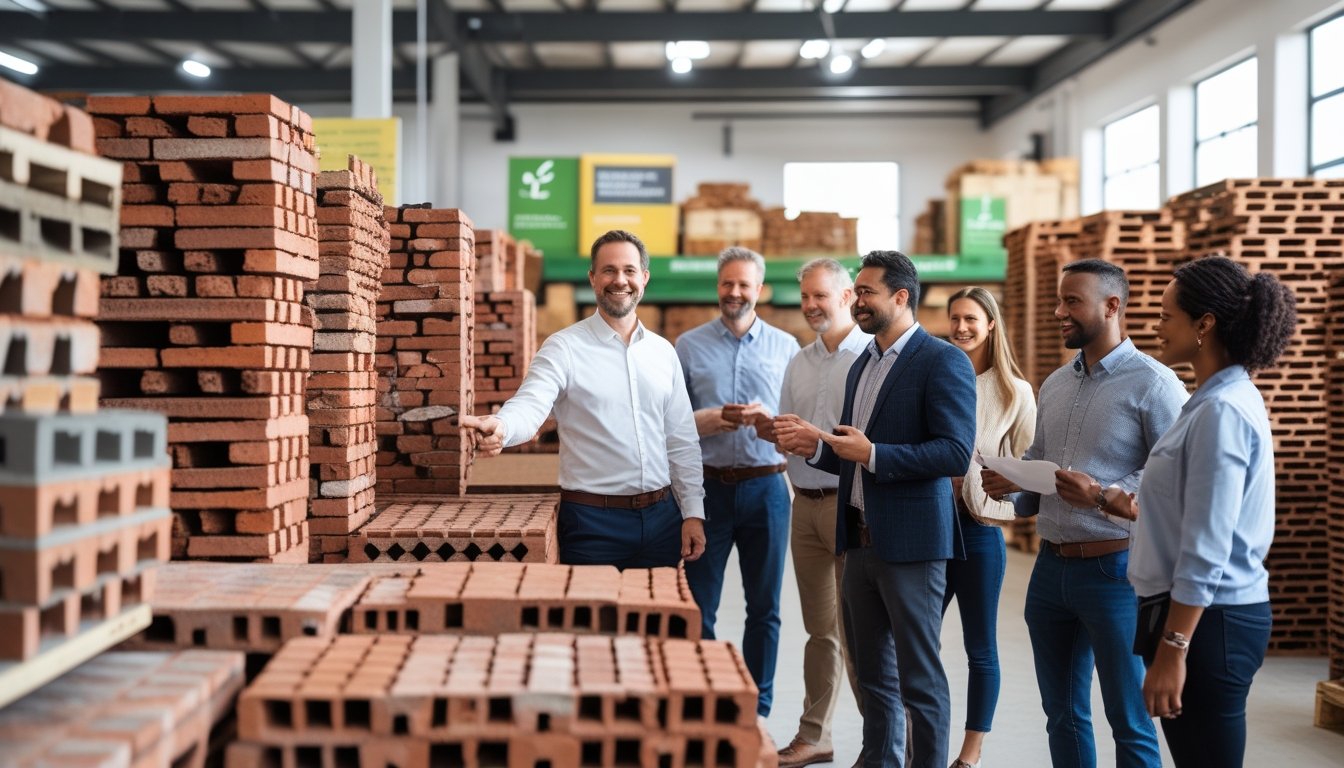
Reclaimed brick suppliers help you bring authenticity, texture, and history into any building project. Whether you’re restoring an older structure or designing a new one with character, reclaimed bricks offer natural variation and charm that new bricks can't replicate.
Bourgeois Materials gives you access to genuine historic bricks sourced from old factories, homes, and century-old buildings nationwide. Our team handles the salvage, cleaning, grading, and delivery so you receive real materials—not replicas. These pieces carry the proven strength and beauty that only time can create.
In this guide, you’ll learn how to evaluate reclaimed brick suppliers, understand the sourcing process, compare pricing factors, explore top uses for reclaimed brick, and make informed decisions for your next project.
If you want bricks with history and character, reclaimed brick suppliers are your source. They find and offer bricks salvaged from old buildings and sites. You get access to materials that bring authenticity and charm that new bricks can’t match.
Reclaimed brick suppliers provide bricks taken from demolished or renovated buildings. They clean and prepare these bricks for reuse in new construction or restoration projects.
You can expect bricks with unique textures, colors, and wear patterns that tell a story. Many suppliers work with historic materials like hand-fired bricks or hard tan bricks used in older cities.
A good supplier sources bricks carefully and makes sure they fit your project’s needs, saving you the trouble of hunting down rare, authentic materials yourself.
You’ll find several types of reclaimed bricks:
Reclaimed bricks come in various shapes and sizes. Good suppliers can match you with bricks from their inventory or use their network to find exactly what you need.
Reclaimed bricks bring several advantages over new ones:
Choosing reclaimed bricks adds depth and texture to your project. It’s a way to connect the past to your new build, giving your space a unique story.
When selecting a reclaimed brick supplier, focus on the quality of the bricks, their certifications and sustainability practices, and the supplier’s reputation. These factors help ensure you get authentic, durable materials and a smooth experience from purchase to delivery.
You want bricks that are durable and true to their historic character. Check if the supplier offers bricks that are carefully cleaned and sorted. Good reclaimed bricks should show natural wear without crumbling or excessive damage.
Look for suppliers that test their bricks for strength and durability, especially if you plan to use them in flooring or load-bearing walls.
Ask about the source of the bricks. Knowing whether they come from historic buildings or skilled reclamation adds value. The best suppliers ensure their bricks keep their original charm and history.
Sustainability is important when choosing reclaimed bricks. Confirm if the supplier follows green practices, such as responsibly sourcing from demolition sites and limiting waste.
Some suppliers carry certifications that prove their materials meet environmental standards. These can show the company’s commitment to eco-friendly practices.
Reclaimed bricks naturally reduce demand for new manufacturing, saving resources. Suppliers who track the story of their materials add transparency and trust to your project sourcing.
Check the supplier’s history and reviews. Look for feedback from builders, architects, or homeowners who have worked with them before.
A strong reputation often means reliable delivery, accurate descriptions, and quality materials. Ask if the supplier can share project examples or references.
It helps if the supplier offers personalized service and support. The right company connects you directly with authentic bricks and provides expert advice throughout your project.
Finding the right reclaimed bricks involves careful work to keep their history and quality intact. The process includes removing bricks from old structures, cleaning them thoroughly, sorting by condition, and arranging safe delivery to your site. Each step maintains the brick’s character and durability for your project.
Workers carefully dismantle historic buildings to salvage bricks without causing damage. They remove bricks by hand or with gentle tools to preserve their shape and surface. This method keeps the original mortar faint, adding authentic texture.
After salvaging, they clean the bricks using gentle scrubbing or soaking to remove dirt, old mortar, and debris. They avoid harsh chemicals to protect the brick’s surface. The goal is to reveal the true color and character, ready for reuse without losing their story.
After cleaning, workers sort bricks by size, color, and condition. This step matters because reused bricks need to match your design and hold up to use. Bricks with cracks or heavy damage are set aside or recycled differently, while sturdy bricks are graded for structural use.
Sorting also helps group bricks by finish—some may be smoother, others rougher with chips for a rustic look. This attention to detail ensures you get consistent bricks that meet your project’s needs, whether for walls, floors, or decorative purposes.
To confirm a brick’s suitability for reuse, many suppliers perform compressive-strength testing. ASTM International notes that reclaimed brick used structurally must meet specific strength classifications to ensure safety and performance.
These tests help determine whether bricks can be used for load-bearing walls, paving, or strictly decorative applications.
The final step is delivering the bricks safely to your project site. Proper packaging protects the bricks from breakage during transport. They are often crated or stacked with padding to keep them secure.
Reclaimed bricks can come from different parts of the country, so reliable logistics are key. Nationwide sourcing and shipping ensure your bricks arrive on time and in excellent condition. This lets you focus on building while trusting the materials will be ready when you need them.
Reclaimed bricks bring a unique mix of history and texture to many projects. They work well in places where you want charm, durability, and a story in every brick. Whether indoors or outdoors, these bricks add character that new materials can’t match.
Using reclaimed bricks in your home can create a cozy, timeless feel. They are perfect for accent walls, fireplaces, and kitchen backsplashes. Their worn edges and subtle color changes bring warmth and depth that fresh bricks lack.
You can also use reclaimed bricks for flooring in areas like a mudroom or entryway. The durability of bricks means they hold up well under foot traffic and add rustic beauty.
Installing reclaimed bricks in your home elevates the design by linking past and present. They tell a story in every room, making your space truly your own.
In commercial buildings, reclaimed bricks create strong first impressions. Restaurants, cafes, and shops use them for walls or floors to create inviting atmospheres with historic charm. These bricks often become focal points that bring customers closer to the building’s story.
Public spaces such as museums or libraries also benefit from reclaimed bricks. They add texture and authenticity that support the building’s heritage. Reclaimed bricks are sturdy and age well, making them ideal for high-traffic areas.
You get materials with character that are also practical. Using reclaimed bricks shows that you value quality and sustainability, which can boost your project’s reputation.
Reclaimed bricks are ideal for outdoor projects like patios, garden paths, and walls. Their weathered look blends well with natural surroundings and older landscapes. Because they come from historic buildings, each brick offers decades of durability.
You might choose reclaimed bricks to create raised flower beds, edging, or fire pits. Their strength means they withstand changing seasons and add timeless appeal to your garden spaces.
Using genuine, well-preserved pieces adds charm and craftsmanship to your outdoor areas. Their unique colors and textures make every garden detail stand out without feeling new or out of place.
When choosing reclaimed bricks, you’ll notice prices vary based on material age, condition, and sourcing difficulty. Availability often depends on your location and project size. Understanding these factors helps you budget and plan your purchase efficiently.
The cost of reclaimed bricks depends mainly on their age, rarity, and condition. Older bricks from historic barns or buildings carry more value because of their unique texture and weathering. Bricks that have been cleaned and sorted cost more due to the labor involved.
Transportation also impacts price. Bricks sourced from distant locations require extra shipping fees. Custom requests for specific brick types, patterns, or rare finishes increase costs as well.
You can save money by choosing bricks in their natural, unaltered state or by ordering mixed lots instead of perfectly sorted batches.
Reclaimed bricks tend to be more common in areas with historic architecture or older urban centers. For example, New Orleans is known for its hard tan bricks, which are durable and visually distinct. If you live near such regions, it’s easier to find bricks without long shipping times.
Some companies work nationwide to source materials, so your location is less of a limitation if you’re willing to wait for delivery. Still, local availability might affect cost because of shorter transport distances.
Keep in mind that some brick types are rare outside their original regions, making them more valuable and sometimes harder to find.
Ordering in bulk can reduce the price per brick and ensure you have enough material for your whole project. Many suppliers offer discounts for larger orders, especially when you need thousands of bricks.
Bulk buying also simplifies logistics—it reduces multiple shipments and allows better planning on-site. Some suppliers offer delivery directly to your jobsite, saving you time and effort.
If your project requires specialized bricks, discuss bulk options early with your supplier. The right supplier can help match quantities and types to what you need, streamlining the process.
Using reclaimed brick helps cut down waste and lowers the energy used in making new materials. It also keeps unique architectural elements alive, adding character while being eco-friendly. This section breaks down how reusing bricks benefits the environment and preserves history.
When you choose reclaimed bricks, you help keep tons of demolition debris out of landfills. Instead of sending old bricks to waste piles, they get a second life in your project.
This reduces the need for new brick production, which often involves heavy mining and manufacturing. Fewer raw materials are used, so natural resources like clay and shale are preserved.
By working with experienced suppliers, you get authentic bricks recovered from historic sites. This means less demolition trash and a smaller environmental footprint for your construction.
Creating new bricks requires high heat in kilns, which use significant energy for many hours. Reclaimed bricks skip this process entirely.
Using old bricks saves the energy normally spent on firing, drying, and transporting new materials. This can noticeably reduce the energy use of your project.
Choosing authentic reclaimed bricks also means fewer carbon emissions. Your project becomes greener by reducing fuel consumption and pollutant release from new brick production.
Each reclaimed brick tells a story. When you reuse these bricks, you keep history visible in your build. Authentic bricks from old homes or buildings offer unique textures and colors you won’t find in new products. This adds lasting character to your space.
Reclaimed brick suppliers now use new methods to ensure you get the best quality and fit for your project. These include advanced cleaning, sorting, online tools to find unique bricks, and options to customize orders for your needs.
Suppliers use precise cleaning methods to remove old mortar and dirt without damaging the brick. This preserves the brick’s authentic look and prepares it for reuse. Gentle sandblasting or water washing may be used depending on the brick's condition.
They carefully grade bricks by color, size, and wear, helping you select bricks for a consistent look or a naturally varied pattern. Ready-to-use bricks speed up your project and reduce on-site work.
Suppliers inspect bricks for cracks or weaknesses using advanced tools. This ensures you get strong materials that last, maintaining historic charm and durability.
Many suppliers offer online portals or apps where you can browse inventory from multiple historic sites. You get photos, descriptions, and dimensions to help you choose bricks that fit your vision.
Smart search filters let you look for bricks by age, color, era, or building type. This helps you find bricks that tell a particular story or match a specific architectural style.
With digital sourcing, you can track your order’s progress and communicate directly with experts. Suppliers combine current stock with nationwide finds, so you always have options to fit your timeline.
If your project needs something specific, suppliers can handpick bricks to your exact specifications. You can request certain wear levels, brick dimensions, or bricks from specific regions or historic periods.
Customization lets you control the look—whether you want heavily weathered bricks or those with a subtle patina. Some suppliers blend bricks from different sources to create a unique palette.
Ordering customized reclaimed bricks preserves architectural authenticity and makes your project stand out. You get only what you need, delivered carefully to maintain condition and story.
When working with reclaimed brick suppliers, understand how ordering and delivery work. Know what to expect on lead times and how to check your bricks when they arrive. This helps you plan your project smoothly and ensures the materials meet your standards.
When you place an order for reclaimed bricks, suppliers often need time to source the exact bricks you want. These materials come from real historic sites, so availability can vary. Lead times range from a few days to several weeks, depending on quantity and type.
Be clear about the kind of bricks you want—such as size, color, or condition. This helps the supplier match your order to their inventory or find the right materials through their network. Always ask about estimated delivery dates and any seasonal delays.
To keep your project on track, place your order well before your planned start date. Some suppliers require a deposit, especially for rare or custom selections.
When your reclaimed bricks arrive, inspect them carefully before unloading. Look for chips, cracks, or any damage that might affect your project. Some wear is normal, but major flaws should be noted.
Check the shipment against your order. Count the bricks and confirm the style and color match what you requested. If anything looks wrong or missing, report it immediately to your supplier.
Reclaimed bricks can vary in size and texture, which adds character but may require adjustments during installation. Handle each piece with care to preserve its history and ensure your project showcases its full potential.
Reclaimed bricks add soul, texture, and timeless craftsmanship to any project. Their natural wear tells stories that manufactured products simply can’t imitate, making them ideal for builders, designers, and homeowners who value authenticity.
By choosing reclaimed materials, you also contribute to sustainability, reduce waste, and preserve architectural history.
Bourgeois Materials ensures you receive genuine reclaimed bricks sourced with care, verified for quality, and delivered safely. Their expertise connects you with hard-to-find materials that elevate your project with enduring beauty and character.
Bring history into your next design—get in touch to start exploring reclaimed bricks that make your space truly one of a kind.
Finding the right reclaimed bricks means knowing where to look, what to check for quality, and how to spot genuine antique pieces. You can find options both locally and across the country, with suppliers who deliver vintage charm.
Check local online reviews and ask for recommendations from builders or architects experienced in historic restoration. Visiting showrooms or reclaimed material yards gives you a firsthand sense of quality.
Look for suppliers with clear knowledge of brick origins and consistent quality. Ask if they offer sorting by condition and color, and whether they provide any guarantees on durability.
Some demolition sites and renovation projects offer used bricks for free or at a low cost. Check local classifieds, community groups, or contact contractors working on older buildings.
Look for uneven shapes, worn edges, and slight discoloration from exposure to weather. Antique bricks often have marks from old molding techniques or firing methods.
Yes, some businesses specialize in nationwide sourcing of authentic reclaimed bricks from historic sites. They handle shipping and secure delivery to your job site, no matter where you build.
You can find suppliers with vintage-style bricks by contacting regional reclaimed material specialists. These specialists provide authentic materials with history and character.
