

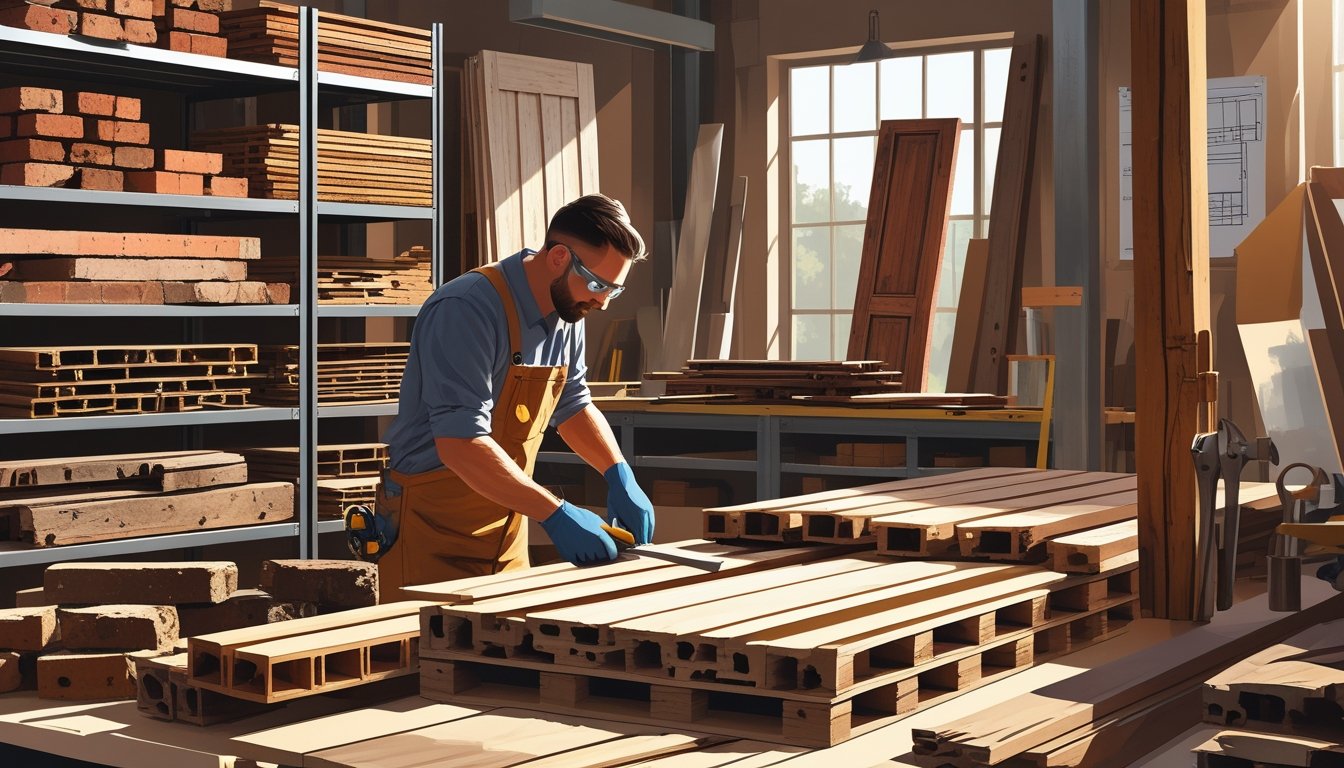
Reclaimed building products bring depth, sustainability, and craftsmanship to modern design. From old-growth beams and antique tiles to salvaged fixtures, each piece offers tangible history and lasting beauty that enriches any new space.
At Bourgeois Materials, the focus remains on authentic sourcing—materials with real provenance and performance. These reclaimed products come from historic structures and industrial sites, cleaned and prepared to meet the standards of today’s builders, architects, and homeowners.
This guide explains where to find high-quality reclaimed products, how to verify safety and durability, and which applications best showcase their character. You’ll discover practical sourcing insights, inspection tips, and ways to make reclaimed materials a defining feature of your next build.
Reclaimed building products are previously used elements taken from old structures and reused in new projects. They save raw materials, reduce waste, and bring unique looks like weathered grain or antique brick to your space.
Reclaimed building products come from existing buildings, salvaged sites, or deconstructed structures and are reused with little or no reprocessing. You’ll find items like reclaimed wood, barn wood, and heart pine that once served as beams, floors, or siding.
These pieces often retain patina, nail holes, and tight grain patterns that new lumber can’t match.
Reclaimed materials differ from recycled ones because recycling breaks a product down and remakes it, while salvaged or used building materials keep most of their original form. You can reuse a vintage door, old brick, or metal beam directly after cleaning, testing, and any needed repairs.
You’ll commonly find reclaimed wood, bricks, stone, metal, and glass available. Reclaimed wood varieties include barn wood, heart pine, and wide-plank oak, prized for dense growth rings and long-term stability.
You may also find reclaimed fixtures like sinks, radiators, and lighting. Sellers may label items as salvaged, used, or reclaimed, so check origin and condition. Inspect for rot, pests, or lead paint before buying.
Choosing reclaimed materials reduces demolition waste and the demand for fresh timber and mined materials. You lower embodied carbon by avoiding energy-intensive manufacturing. Using reclaimed heart pine or barn wood keeps centuries-old carbon locked in place.
Reclaimed pieces add character with aged texture and unique imperfections. Some reclaimed items cost less than specialty new materials, while rare finds may be pricier but add value.
Practical benefits include denser, more stable wood and bricks that have already weathered seasonal changes. Always verify structural soundness and test for toxins to ensure safety and durability.
Reclaimed items add character, save materials, and often cost less than new specialty pieces. Expect solid old-growth wood, varied flooring and siding, vintage windows and doors, plus barn-style hardware ready for reuse.
Reclaimed wood and beams come from old barns, factories, and lofts. You get dense, seasoned timber—often oak, chestnut, or heart pine—that resists warping and holds nails well. Look for salvaged wood with clear provenance and no rot or active insect damage.
For structural uses, have beams inspected or certified by a professional. For decorative beams, leave nail marks and patina visible for character. Suppliers often offer planed or cleaned boards and plywood made from recycled wood fibers for cabinets and panels.
Use penetrating oils or breathable sealers to protect wood without hiding grain. If you need uniform sizes, ask about remilled boards for standard widths with old-growth density.
Reclaimed flooring includes wide-plank hardwood, old-growth boards, and salvaged parquet. These pieces show deep grain, mill marks, and tight growth rings that wear well. Expect color variation and nail holes that add charm.
For siding, reclaimed clapboard, shake, or barn siding offers an authentic weathered texture. Inspect each board for rot and replace any with structural issues. Reclaimed brick or stone can also serve as exterior cladding where local codes and moisture control allow.
Acclimate wood to your space before nailing. Use compatible adhesives and breathable underlayment to prevent trapped moisture. Ask about resurfacing options—wire-brushing or light sanding keeps patina while smoothing high spots.
Reclaimed wood windows and doors bring thicker frames, unique glass, and original hardware. You’ll find sashes with wavy glass, solid wood doors with carved panels, and trim or millwork with old profiles no longer made.
Test windows for operability and weather tightness before installing. You may need new glazing, weatherstripping, or retrofit storm windows for energy performance. For doors, check for straightness and hinge locations; remilling can adapt vintage doors to modern openings.
Salvaged millwork—baseboards, casings, mantels—lets you match period detail. Plywood made from reclaimed fibers provides stable substrates for cabinetry and built-ins while keeping a reclaimed story in hidden places.
Barn door hardware and fixtures include sliding rails, rollers, handles, and latches sourced from farm buildings or reproduced from vintage designs. Use original metal hangers or modern kits that fit reclaimed doors.
Measure track length carefully; hardware must support the door’s weight—especially reclaimed solid wood doors. Choose corrosion-resistant finishes for exterior use. For interiors, consider soft-close or floor guides to reduce wear.
Combine vintage handles and hooks with new mounting plates for safety. Have old metal checked for cracks and welds. New hardware made to vintage specs offers the look with modern load ratings and easier installation.
Find reclaimed doors, lumber, windows, and fixtures at specialty shops, donation centers, online sites, and local stores. Each source offers different prices, selection, and pickup or delivery options.
Architectural salvage yards and showrooms sell reclaimed items like mantels, cast-iron radiators, antique doors, and vintage lighting. These places often inspect and restore items, so you can buy pieces ready to install.
Visit in person to check the condition, measure parts, and negotiate prices. Many showrooms list stock online but recommend a site visit because items are one-of-a-kind. Ask about return policies, restoration services, and item holds.
Expect a wide range of quality and price. Bring photos and measurements of your project. Salvage staff can suggest matching pieces or alternatives if exact items aren’t available.
Industry discussions around circularity in construction emphasize that designers and builders must look beyond disposable supply chains toward systems that keep materials in use longer.
ArchDaily reports that architects engaged in designing reuse economies are not only considering how buildings are made but also how materials are sourced and circulated — often reclaiming beams, stone, and other salvaged items for new life.
This shift reflects a broader industry response to climate goals and resource scarcity, making reclaimed building products a practical choice for environmentally conscious projects.
Habitat for Humanity Restores take donations and resell new and used building supplies to fund affordable housing. You’ll find cabinets, doors, windows, flooring, and plumbing fixtures at lower prices than new retail.
Check your local Restore’s website or call for current inventory before you go. Some Restores accept online holds or offer delivery for large items. Donation centers may carry similar items but vary in quality and acceptance rules.
Buyers save money and support a cause. If you have usable materials to give, many donation centers accept them and provide a tax receipt.
Online marketplaces like Craigslist, Facebook Marketplace, and specialty sites list reclaimed wood, salvaged trim, and fixtures. Filter by distance, price, and seller type to find nearby pickup or delivery.
Freecycle and local “Buy Nothing” groups offer free materials from homeowners. Act fast—good items disappear quickly. Always ask for clear photos, dimensions, and item history, and arrange a safe public pickup.
Inspect the item on pickup. Some sellers allow a short trial or returns if you negotiate beforehand. Factor in hauling costs for large pieces.
Some home improvement stores and local building centers run outlet sections or accept returns and overstock that can be discounted. You may find reclaimed-style items, surplus lumber, or clearance fixtures.
Local contractors, demolition crews, and salvage contractors also supply materials. Ask at contractors’ yards or join local building-swap groups to learn when jobs will yield reusable materials.
Call ahead to confirm stock and pickup rules. If you need many items, arrange a trailer or delivery; some stores and suppliers offer transport for a fee.
People choose reclaimed materials to save money, meet design goals, and reduce environmental harm. Trade professionals, homeowners, and designers focused on sustainability and unique finishes use these products.
Industry discussions around circularity in construction emphasize that designers and builders must look beyond disposable supply chains toward systems that keep materials in use longer.
ArchDaily reports that architects engaged in designing reuse economies are not only considering how buildings are made but also how materials are sourced and circulated — often reclaiming beams, stone, and other salvaged items for new life.
This shift reflects a broader industry response to climate goals and resource scarcity, making reclaimed building products a practical choice for environmentally conscious projects.
Contractors buy reclaimed lumber, brick, and fixtures to lower costs and meet project specs. They use reclaimed wood for beams and flooring when clients want a vintage look or new long-leaf pine or old-growth timber isn’t available.
Reclaimed brick and stone often appear on facades and patios because they cut costs and add character.
Contractors use salvaged metal, doors, and hardware on renovation projects to match historic details. Builders use these materials to meet local reuse targets or waste diversion goals. Some integrate reclaimed materials in new construction for feature walls, stair treads, or millwork for clients who value sustainability.
Homeowners and DIYers use reclaimed products to stretch budgets and add unique style. You can find cabinets, flooring, and lighting at salvage yards, online marketplaces, or local reuse centers.
These items often cost less than new equivalents and help create custom looks, like barn-wood accent walls or vintage sinks. DIY projects use reclaimed trim, mantels, and hardware because they’re easy to work with and already aged.
Inspect items for pests, lead paint, or rot before installation. Many choose reclaimed materials to reduce landfill waste and make greener choices during remodels or when building home offices and workshops.
Designers and sustainability professionals use reclaimed products to achieve both aesthetic and environmental goals. When specifying finishes, reclaimed wood, metal, and tile provide authentic textures and unique histories. Designers use these pieces to create focal points—such as mantels, flooring, or custom furniture—while reducing a project’s embodied carbon.
Sustainability professionals track sourcing and chain-of-custody for reclaimed materials to meet green-building standards or client reporting needs. They pair reclaimed products with durable new systems and document material reuse to earn credits in rating systems or meet corporate sustainability policies. Clients benefit from style and measurable environmental advantages.
Check condition, fit, and safety before buying. Consider how pieces will join, what preparation they need, and where unique items fit in your design.
Look for cracks, rot, and insect damage in each piece. Tap wood for hollow spots, check for soft areas near joins, and inspect gently used furniture for spring and webbing condition.
Measure overall dimensions, thickness, profiles, and mounting holes. Bring a tape measure and a small level when visiting salvage yards or auctions. Ask about provenance and repairs, and get written notes or photos of previous fixes.
For beams with metal plates, confirm they aren’t hiding structural splits. Match face width, grain, and finish for trim and flooring if you need seamless joins.
Wear gloves, eye protection, and an N95 or better mask when cutting or sanding reclaimed materials. Test painted surfaces for lead before disturbing them. If lead is found, hire a certified abatement contractor.
Clean with mild detergent and low-pressure washing, then dry wood slowly to avoid warping. Remove fasteners and staples with a pry bar and nail puller. Use a moisture meter or kiln-drying to ensure wood stability before installation.
Treat for pests and seal exposed ends. When planning or machining, clamp securely and use sharp blades to reduce splintering. Label parts and fasteners when disassembling furniture for accurate reassembly.
Check local deconstruction contractors, architectural salvage yards, and online marketplaces for unique items like vintage mantels or barn doors. Bookmark suppliers and call often, as unique pieces sell quickly.
Request provenance photos and size specifications from sellers. For one-off finds, check if restoration services or delivery are available. Note hardware sizes and hole spacing to source matching parts if needed.
Consider trade networks and salvage auctions for large or valuable pieces. Request small samples for refinishing tests. Keep purchase details, restoration notes, and photos for future reference.
Reclaimed building products remind us that sustainability and design can coexist beautifully. Every salvaged beam, tile, or fixture carries history forward, blending time-worn texture with the precision of modern craftsmanship.
At Bourgeois Materials, every reclaimed product is selected for authenticity, durability, and visual integrity. These materials give homeowners, designers, and builders a way to craft meaningful, lasting spaces that respect both heritage and environment.
Start your next project with materials that already have a story to tell. Reach out to explore how reclaimed products can define your home’s character and performance for decades to come.
Find reclaimed wood, metals, and fixtures at salvage yards, online marketplaces, and specialty dealers. Options include direct purchase, auctions, and networks serving homeowners and contractors.
Start with local architectural salvage yards and demolition recyclers. They often sell beams, doors, windows, and flooring from old buildings. Search community classifieds, Facebook Marketplace, and neighborhood apps for local listings. Contractors may also post leftover materials after projects.
Visit nonprofit reuse centers and Habitat for Humanity Restores. They list inventory online and offer pickup or delivery.
Contact sellers to confirm dimensions, species, and condition. Request photos and moisture readings for wood, and ask about any treatments or paint. Arrange pickup or delivery and clarify loading responsibilities. For large orders, get a written invoice with return terms.
If buying from a dealer or mill, ask about milling, sizing, and finishing services to save time.
Etsy and eBay are good for small, salvaged items like hardware and decorative pieces.
Craigslist, Facebook Marketplace, and OfferUp list local reclaimed materials, allowing in-person inspection. For larger inventories, use sites run by salvage businesses or reclaimed-wood dealers. They often ship nationally and provide detailed specs.
Look for companies with transparent sourcing and clear product descriptions. Reputable suppliers list species, provenance, and whether boards are kiln-dried or de-nailed. Check customer reviews, gallery photos, and certifications.
Local suppliers, national dealers, and nonprofit centers each have their strengths. Ask for references from past buyers for large purchases to verify reliability.
Contact local contractors, remodelers, and demolition crews about job-site leftovers. They often have extra lumber, trim, or hardware. Join local reuse groups and Freecycle networks for free material postings.
Watch for demolition notices and request salvage items before buildings are torn down. Act quickly to claim quality materials.
Inspect wood for rot, insect damage, and warping. Look for nails, screws, or embedded metal that could harm your tools. For fixtures and metal items, check that finishes and moving parts work and aren't corroded. Make sure sizes and quantities fit your project needs.
Ask if the seller can clean, de-nail, or mill the materials if you want them ready to install. Knowing who will prep the item helps you plan better.
