

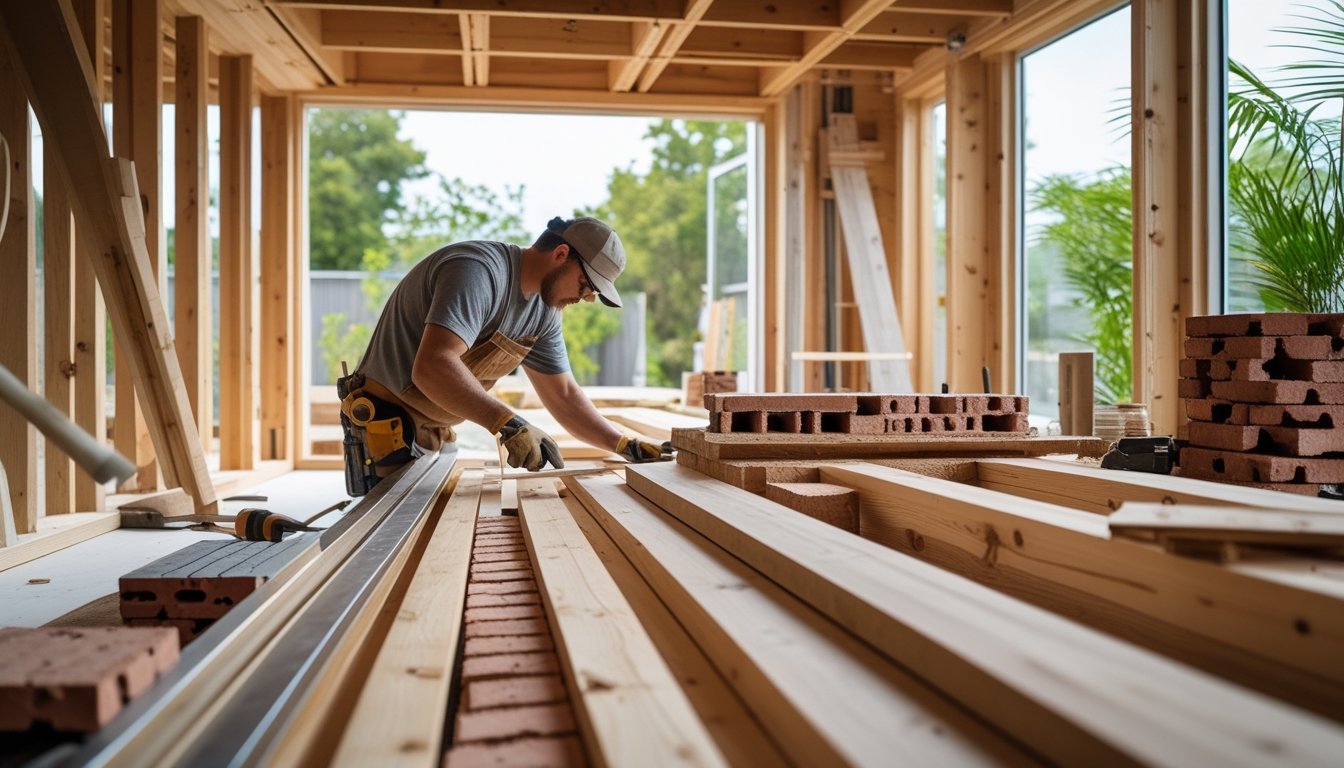
Using reclaimed building materials allows you to build with pieces that carry real history, texture, and character. These materials bring a depth and authenticity that modern products can’t replicate, offering natural warmth shaped by decades of use and weathering.
Working with Bourgeois Materials involves sourcing quality reclaimed materials. These are carefully selected from historic barns, homes, mills, and industrial buildings across the country. The pieces showcase craftsmanship, durability, and honest aging, built over time with rare materials.
This guide explores what reclaimed building materials are, where they come from, how to evaluate their quality, and how to integrate them into home projects with confidence. You’ll learn the practical benefits, design possibilities, and sustainable advantages that make reclaimed materials a meaningful choice for eco-conscious projects.
Reclaimed building materials have an important past and are reused in new construction or renovation. They offer unique character and durability that new materials often cannot match. Knowing what these materials are, where they come from, and the common types will help you choose the right pieces for your project.
Reclaimed building materials come from old buildings or structures instead of being thrown away. People clean, restore, or prepare these materials for reuse in new homes or buildings. This process reduces waste, saves resources, and preserves architectural history.
When you use reclaimed materials, you connect to the past. Each piece tells a story through its wear and design. You avoid buying new, mass-produced materials and instead add unique elements with real age, texture, and character.
You’ll find many types of reclaimed materials, including:
These materials are durable because they were made to last. Their natural aging adds richness that fits both modern and traditional designs.
You can source reclaimed materials from demolition sites, old barns, factories, mills, and historic homes. Materials come from buildings no longer in use but rich in craftsmanship. This gives you access to rare wood grains, unique bricks, and stones not found in new production.
Knowing where your materials come from guarantees quality and history that new goods can’t provide. Sourcing carefully ensures each item is genuine and meaningful.
Using reclaimed materials helps you build in a way that respects the environment, saves money, and adds unique beauty to your project. These materials bring history and character that new products cannot match. You get more than just building supplies—you gain pieces with real stories.
When you use reclaimed materials, you reduce waste by keeping old wood, bricks, and stone out of landfills. This lowers the demand for new resources like trees and clay, which helps conserve natural habitats and reduces energy used in manufacturing.
Reclaimed items often come from historic buildings, so choosing them means you preserve a piece of that past. By reusing, you play an active part in sustainable building without sacrificing quality or style.
Reclaimed materials can save you money in several ways. Salvaged wood and bricks often cost less than brand-new options, especially when you factor in their durability. These materials have already weathered time, so they tend to be strong and long-lasting.
You also reduce waste removal fees since you are reusing valuable resources instead of disposing of them. The unique character in reclaimed pieces means less finishing or replacement work is needed.
Reclaimed materials give your project one-of-a-kind beauty that new products lack. You’ll find hand-hewn beams, antique bricks, and aged stone that show the marks of time. These details create rich textures and warm tones that add personality to your space.
Every piece carries a part of history, making your home or building feel authentic and crafted. Using reclaimed materials lets you build with character and soul, transforming ordinary spaces into something truly special.
Finding authentic reclaimed materials takes effort and know-how. You’ll want to explore places that offer genuine pieces with character and history. It helps to know where to look and how to tell if materials fit your project’s needs.
Salvage yards are great spots to find wood beams, bricks, and stone with real stories behind them. When you visit, check materials for strength and signs of damage like rot or cracks. Ask about the origins of the pieces—they often come from old homes, barns, or factories.
These yards let you see and touch what you’ll buy, which helps ensure quality. Prices can vary, so compare a few yards. Salvage yards also often help with delivery or even custom cutting.
You can find rare and unique reclaimed materials through online marketplaces. Some specialize in historic bricks, hardwood flooring, or antique stone. When buying online, review photos carefully and ask sellers detailed questions about condition, size, and provenance.
Look for sellers who have good reviews and clear return policies. Shipping can be expensive, especially for heavy materials like stone or brick. It’s smart to ask about packaging to avoid damage during transit.
Demolition sites can be hidden gold mines. Before the building comes down, owners might allow you to reclaim bricks, wood, or fixtures at low cost. Contact local contractors or demolition companies to ask about upcoming projects.
Timing is key—you need to act quickly and safely when materials become available. Some cities require permits or have rules about removing materials, so check local laws. Salvaging from these projects offers unique elements not commonly found in salvage yards or online.
When working with reclaimed building materials, check their condition carefully. You also need to understand how materials are graded and meet building standards. Verifying that each piece can safely support its intended use ensures your project’s success.
Start by closely examining each piece. Look for cracks, rot, or signs of insect damage that might weaken the material. Wood beams, for example, should be solid with no deep splits or soft spots.
Check for any nails, screws, or hardware left behind. They can be removed, but it's best to know beforehand. Surface wear or color changes often tell the story of the material’s age and can add character without affecting strength.
Reclaimed materials need clear grades to match building codes and safety rules. Wood is often graded by strength and appearance. Look for stamps or certifications that show compliance with industry standards.
If you plan to use bricks or stone, check size consistency and hardness. Some reclaimed bricks might be softer, so they’re better suited for decorative uses rather than load-bearing walls. Make sure any wood meets the current fire safety and treatment requirements for your area.
Not all reclaimed materials are suited for structural use without extra care. For wood beams, check load-bearing capacity by assessing the size, shape, and condition of the wood. If you use reclaimed steel or metal, confirm it isn’t bent, rusted through, or too thin. Even subtle damage can lower strength.
In some cases, reinforcing materials with modern supports can increase safety while keeping historic value intact. Expert advice helps you balance authenticity with durability.
Using reclaimed materials means blending history with fresh ideas. You’ll balance new construction, find creative ways to reuse different materials, and mix classic with modern styles. Each choice shapes the look and feel of your project while preserving character.
When combining reclaimed materials with new builds, focus on harmony. Use reclaimed wood or brick where natural textures stand out against smooth, modern surfaces. This contrast adds depth without feeling forced.
Pay attention to scale and color. For example, antique wood beams with rich patinas work well alongside lighter drywall or metal accents. Keep finishes simple to highlight the material’s authentic beauty.
Reclaimed materials aren’t limited to floors or walls. Antique bricks can become unique kitchen backsplashes or outdoor firepits. Hand-hewn wood beams make stunning ceiling accents or stair treads.
Slate roofing tiles can be transformed into tabletops or garden paths. Stone blocks from old foundations might serve as garden walls or entryway pieces. Think beyond the usual and explore functional art.
Mixing reclaimed pieces with your design style creates timeless appeal. In traditional homes, original wood trims and moldings deepen the historic feel. For modern projects, sleek metal finishes next to aged brick create striking contrasts.
You can blend rustic with contemporary by pairing rough-sawn beams with clean-lined furniture. Or merge industrial with elegant by adding weathered steel panels to polished surfaces. The key is keeping balance. Let authentic materials guide your style choices to form a cohesive, lived-in look.
When using reclaimed building materials, you need to follow certain rules to keep your project safe, legal, and lasting. This includes meeting standards for structure, getting the right permits, and handling any risks linked to older materials.
You must ensure reclaimed materials meet current building codes. These codes cover strength, fire resistance, and environmental safety. For example, old bricks or wood beams should be inspected for damage or weaknesses before use.
Local codes may have specific rules for reclaimed items, like requiring documentation of their origin or proof that they meet safety standards. Following these rules protects your project from failures and legal problems.
Applying for building permits when using reclaimed materials is essential. Many local governments require separate approval because these materials can be unique and don’t always fit standard categories.
Your permit application should include information on the type of reclaimed materials, their condition, and how you plan to use them. Photos, certifications, or test results may be required. Start the permit process early to avoid delays.
Older reclaimed materials might contain hazards like lead paint, asbestos, or chemicals. You must identify and safely manage these risks.
Before reuse, have materials tested for hazards by qualified professionals. If dangerous substances are found, you may need specialized removal or treatment. Follow local health and safety regulations strictly.
Proper handling ensures the well-being of workers and future occupants and shields you from fines or legal trouble. Always work with experts familiar with historic materials and their unique risks to keep your project secure.
Installing reclaimed materials requires care and attention. Prepare and clean pieces thoroughly, use the right tools and methods, and handle issues like uneven surfaces or hidden nails. These steps help you preserve character while ensuring a lasting result.
Moisture control is essential when installing reclaimed building materials, especially older wood or masonry exposed to past weather cycles. The U.S. Department of Energy emphasizes that moisture-related failures often result not from the material itself but from improper installation or climate mismatch.
Builders must assess regional humidity, ventilation, and temperature variations before installation.
Following DOE guidance ensures reclaimed materials remain stable and durable over time. Proper conditioning, acclimation, and insulation strategies protect against swelling, contraction, and mold, preserving both structural integrity and aesthetic value.
Inspect every piece for damage, nails, or screws. Reclaimed wood, bricks, or stone often need thorough cleaning. For wood, remove dirt and loose paint with a stiff brush, then sand lightly to smooth rough edges without taking away too much of the original surface.
Remove nails or screws carefully to avoid splits or cracks. Clean bricks or stone with water and mild detergent, avoiding harsh chemicals. Let materials dry completely before installation to prevent warping or mold.
Use hand tools like pry bars and chisels to separate boards or stones gently. If you use power tools, set them to low speed and work carefully to avoid damaging the patina.
Choose galvanized or stainless steel screws and nails to prevent rust. Pre-drill holes in wood to reduce splitting. Use shims or flexible adhesives to align uneven boards or bricks for a snug fit.
Reclaimed materials often have irregular shapes and sizes. Measure each piece carefully and plan your layout before attaching anything. Expect small gaps or uneven surfaces; fill or adjust them as needed.
Replace or reinforce weakened parts if you find hidden damage like rot or insect holes. Always inspect materials on site to catch issues before installation.
Regular care and timely repairs keep reclaimed materials in good shape. Protecting your materials maintains their beauty and durability. Proper upkeep honors the history behind each piece and keeps your project looking its best.
Clean reclaimed wood and stone regularly to avoid dirt and dust buildup. Use a soft brush or vacuum with a gentle attachment. Avoid harsh chemicals; instead, use mild soap and water, then dry the surface quickly to prevent moisture damage.
Inspect materials often for signs of wear, like splitting wood or crumbling mortar. Control indoor humidity to prevent warping or cracking in wood. Applying natural oil or wax to wood surfaces protects and renews the finish without hiding the grain.
When you see cracks or chips, act quickly to stop the problem from growing. Fill small wood splits with wood epoxy or matching filler, then sand smooth. For stone or brick, use compatible mortar for patching.
Replace entire sections only when necessary. Repairs should respect the original character. Replace rusted nails or fasteners with stainless steel to prevent staining and further damage.
Reclaimed materials can transform spaces with character and history. Unique elements bring authenticity and warmth to both homes and commercial buildings.
Choosing reclaimed wood or brick for your home adds texture and a story. One homeowner used hand-hewn wood beams from a barn to create a warm, inviting floor full of depth and history.
Reclaimed bricks create striking accent walls or fireplaces. These elements offer a patina that new materials can’t duplicate. Using reclaimed materials means less waste and fewer new resources, helping you build a sustainable, timeless home.
Reclaimed materials also shine in commercial spaces like cafes, boutiques, and offices. One project used antique brick and aged wood to create a cozy, rustic atmosphere that welcomes customers.
Authentic materials help businesses stand out. Using reclaimed beams or stone creates a setting that tells a story and sets your brand apart from mass-produced interiors.
You can customize the look by finding hard-to-find pieces from historic buildings, making it easier to match your design goals. These elements add character without sacrificing quality or durability.
Builders and designers increasingly turn to reclaimed materials for their unique story and character. Authentic pieces bring history and craft to new projects in a way that new materials cannot match.
Sustainability will play a bigger role. Using reclaimed wood, stone, and brick reduces waste and lowers the demand for new resources. This is a smart choice if you want to build with style and care for the environment.
Technology will improve how these materials are sourced and prepared. Better tools help keep original quality while making installation easier. You’ll enjoy the beauty of aged wood or slate without extra hassle.
When you choose reclaimed elements, you join a growing movement focused on authenticity and timeless style. Carefully selected pieces delivered with care help you build with confidence.
Using reclaimed building materials invites authenticity, craftsmanship, and long-lasting character into your home or project. These materials tell stories through their natural aging and offer a depth that manufactured products can’t achieve.
Sourcing from Bourgeois Materials ensures you’re working with genuine reclaimed elements. They are carefully recovered from historic structures across the country. Each beam, board, brick, or stone is chosen for its integrity, beauty, and history, helping you build with confidence and purpose.
Bring the richness of reclaimed materials into your next project—reach out today and move toward building with honesty, heritage, and enduring style.
Using reclaimed building materials means you want authentic, historic pieces that add real character. Find good sources and check quality before buying. Plan how to fit these unique materials into your renovation and be aware of possible issues.
Look for suppliers who focus on authentic, historic materials, like barns, old homes, or demolition sites. Companies that handle nationwide sourcing can offer rare elements that are hard to find locally.
Check for signs of damage like rot, insect damage, or excessive wear. Ask for details on the material’s history. Trusted suppliers often inspect and prepare materials to meet high standards.
Plan your design around the materials’ unique qualities. Use them where their history and texture will stand out, such as beams, flooring, or bricks. Be open to small repairs or adjustments for proper fit.
You may face size variations, moisture issues, or hidden damage. Sourcing enough matching pieces can take time. Allow extra time for cleaning and prepping materials before use.
Using reclaimed materials reduces waste by keeping old wood, brick, or stone out of landfills. It also lowers demand for new resources, which helps protect forests and quarries. This makes your build greener and more responsible.
Check local building codes about material reuse, as some rules may apply to safety or lead paint. Make sure you have proper documentation, especially for structural pieces. Ask suppliers about any certifications or legal details.
