

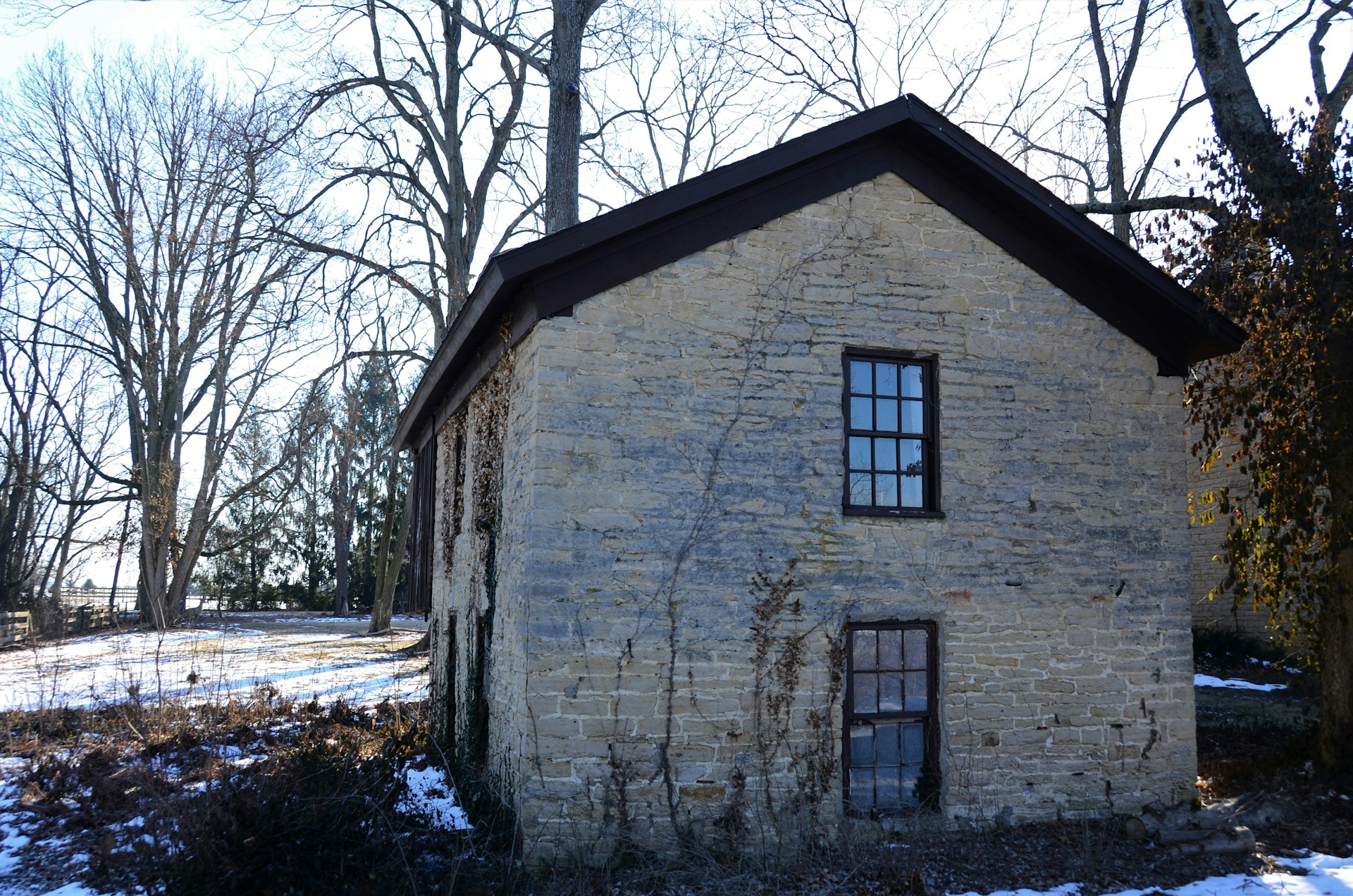
Building a home with reclaimed materials gives you the chance to blend sustainability with real architectural character. By choosing reclaimed wood, old doors, vintage windows, brick, and other salvaged elements, you lower material costs, reduce waste, and add features with depth and history that new products cannot match. Reclaimed materials also help cut embodied carbon and bring an authentic, lived-in feel to any space.
This guide shows how reclaimed materials fit into modern home building, where to source dependable pieces, how to evaluate quality and safety, and the smartest ways to install them so your project looks intentional and performs well. And if you want reclaimed materials that are authentic, properly vetted, and ready for immediate use, Bourgeois Materials can supply everything you need. You will learn how to choose reclaimed elements that last, how to integrate them with new construction, and how to balance style, code compliance, and long-term durability for a practical and beautiful result.
Reclaimed materials come from old buildings, factories, and leftovers. They change how you build by lowering waste, cutting embodied energy, and adding character to your home.
Reclaimed building materials are items taken from existing structures or post-consumer sources and prepared for reuse. Examples include reclaimed wood beams, salvaged bricks, vintage doors, metal beams, and glass panels. These materials often need cleaning, de-nailing, or milling before reuse.
You should check structural ratings and moisture content for wood, and test bricks or concrete for soundness. Suppliers often label source and age, which helps match pieces to your design. Using reclaimed materials lets you keep original textures and patinas that new products can’t mimic.
Reusing materials reduces embodied energy—the total energy used to produce and transport new building products. When you choose reclaimed wood or salvaged metal, you avoid the manufacturing and shipping energy tied to new items.
Recycling on-site or through suppliers lowers landfill waste and cuts demand for virgin resources. This approach also lessens emissions from extraction and processing. You can track benefits by documenting material sources and calculating avoided waste and embodied energy in your project reports.
Reclaimed materials can save you money, but savings vary by item and work needed. Salvaged bricks, milled wood, and metal often cost less than high-end new equivalents. You may pay more for labor to refurbish, match, or install irregular pieces.
Buying locally reclaimed items also reduces transport costs. For long-term value, reclaimed pieces can increase resale appeal because of their unique look and durability. Factor in inspection, preparation, and possible structural reinforcement when comparing true costs.
You can cut costs and add character by choosing used materials that meet your needs. Pick items that match your budget, structural needs, and style while checking condition and code compliance.
Reclaimed wood often comes from old barns, factories, and warehouses. Barn wood has tight grain, old-growth density, and weathered patina that resists wear. You can use it for beams, mantels, wall cladding, and furniture. Inspect for rot, insect damage, and structural cracks before buying. Ask sellers for provenance or salvage records when possible.
Plan for milling and de-nailing costs. Some boards need kiln drying or straightening to avoid warping. Finish choices—oil, wax, or clear coat—change the look and maintenance needs. Reclaimed hardwoods like oak or chestnut give long life; softwoods are cheaper but may need reinforcement.
Salvaged doors and windows add period detail and often cost less than custom new pieces. Look for solid-core doors, old-growth sashes, and intact muntins. Check frames for square, rot in the jambs, and hardware condition. Weather-stripping and new glazing can improve energy performance.
You can retrofit old windows with new glass or install them as decorative interior features. Exterior salvaged doors may need rehanging hardware, new locks, and refinishing. Keep documentation of lead paint or asbestos risks if the pieces are very old.
Reclaimed flooring ranges from wide-plank barn boards to reclaimed parquet and brick pavers. Wide-plank floors give a hand-hewn look and can be sanded and finished to last decades. Parquet and tongue-and-groove boards require matching thickness and milling for a uniform install.
Expect to pay for planing, filling nail holes, and grading to modern flatness. Reclaimed brick or stone tiles work well in mudrooms or entryways where durability matters. Always check for contaminants like oils or chemicals, especially with industrial-salvaged boards.
Architectural salvage includes mantels, corbels, stair balusters, and metalwork. These elements let you reuse ornate features that are costly to replicate. Verify load-bearing capacity for structural items like newel posts or stair parts. For decorative pieces, check for repairs, missing fragments, and patina you want to keep.
Metal salvage—iron gates, cast-iron radiators, and hardware—may need rust treatment and rewiring if electrified. Keep original fasteners when possible for authenticity, but plan to upgrade anchors and attachments to meet code. Purchasing from reputable salvage yards gives you inspection history and handling help.
If you want reclaimed building materials that are authentic, structurally reliable, and ready for installation, the most dependable source is a supplier who specializes in careful recovery, documentation, and preparation—not random listings or mixed-condition salvage piles.
Bourgeois Materials provides exactly that standard.
Instead of sorting through inconsistent donation centers, salvage yards, or online marketplaces, you can source everything you need directly from a team that curates reclaimed materials with craftsmanship, consistency, and jobsite performance in mind.
At Bourgeois Materials, every reclaimed beam, board, brick, and architectural element is sourced from verified demolition or deconstruction sites and inspected by specialists who understand historic wood, masonry, and metal. Items are evaluated for structural integrity, cleaned, and stored properly—so you receive materials that are not only beautiful, but also dependable.
You get:
This level of quality assurance is something general resale outlets simply can’t provide.
Unlike informal sellers or donation centers, Bourgeois Materials prepares every reclaimed item for safe transport and straightforward installation. Materials are:
Whether you’re sourcing a single historic door or a full house-worth of reclaimed beams, you get predictable service, accurate fulfillment, and dependable timelines.
When you want reclaimed materials without the risk, inconsistency, and guesswork of thrifts, swaps, or online listings, Bourgeois Materials gives you a reliable, professional foundation for every project. From curated inventory to expert guidance and jobsite-ready preparation, you get reclaimed products that look authentic and perform flawlessly.
You should focus on choosing safe, high-quality reclaimed pieces, plan removal to keep materials intact, and prepare items for new uses. Decide early which items you’ll salvage, how you’ll store them, and whether donation pickup or resale fits your needs.
Inspect every item before you commit to salvaging it. Look for rot, insect damage, deep cracks, or structural warping in wood. Check metal for heavy corrosion, pitting, or thin spots that weaken load-bearing parts. For bricks and stone, tap a few pieces; a clear ring usually means good integrity, while dull thuds can signal cracks.
Verify finishes and coatings. Test paint for lead if the building predates 1978. Smell materials—mildew or strong chemical odors can mean costly remediation. Document dimensions, joinery, and fastener types so you know how pieces will fit in your plan. If something looks borderline, set it aside for non-structural uses or donation pickup.
Choose deconstruction when you want intact boards, fixtures, or architectural details. Deconstruction takes more time and skilled labor, but it recovers doors, flooring, joists, and trim with fewer nails and less damage. Plan sections to come apart in order: remove trim, then fixtures, then structural members. Label and stack parts by room and orientation for easier reuse.
Demolition is faster but damages materials and raises disposal costs. If you must demolish, sort salvageable items at the start—move them to a staging area for cleaning or donation. Arrange donation pickup or local salvage yards ahead of time so recovered items leave site quickly and don’t degrade in weather.
Prioritize safety and legal compliance. Wear gloves, eye protection, hard hats, and dust masks rated for lead and asbestos if testing indicates their presence. Use pry bars, nail pullers, and oscillating tools to remove fasteners without splitting wood. Keep a dedicated box for reusable fasteners and hardware.
After removal, clean and stabilize items. Strip old caulk and grime; remove nails and screws carefully. Dry wood in a covered, ventilated space to avoid mold. Label crates with contents, condition, and dimensions. For items you can’t reuse, schedule donation pickup or deliver to a reuse center—this reduces landfill waste and may earn tax receipts.
Match material properties to new uses. Dense hardwood flooring can become stair treads, shelving, or furniture tops. Beams and joists work well as mantels or open-shelf supports after reinforcing and planing. Bricks and pavers make durable patios, garden edging, or interior feature walls when cleaned and re-laid.
Smaller items like doorknobs, hinges, and light fixtures can become hardware on new cabinets or wall hooks. Old windows suit greenhouse panels, picture frames, or transom-style interior dividers. If you have excess salvage, list items online, contact local home salvage shops, or arrange donation pickup to move materials quickly and fund other parts of your project.
You will learn how to pick reclaimed materials that fit your style, how to install them so they last, and where others have used them successfully. The advice focuses on reclaimed wood, reclaimed building materials, and recycled building materials you can source and install on typical home projects.
Decide the role reclaimed materials will play in your design: a focal element like a reclaimed wood feature wall, or smaller accents such as trim, shelving, or cabinet faces. Match the finish and patina to existing surfaces. For example, wide-plank reclaimed oak with visible nail holes suits a rustic kitchen, while smoother, planed reclaimed boards work for modern interiors.
Measure available quantities before you commit. Reclaimed items often vary in size and may require mixing lots or using filler pieces. Note color variation and seal samples under your actual lighting to avoid surprises.
List of visual checks:
Budget for refinishing, grading, and possible treatment for pests or contaminants. These steps preserve aesthetics and ensure the material meets your long-term look and function goals.
Prepare reclaimed materials before installation: clean, de-nail, and acclimate wood to your home’s humidity for several days. Have an engineer or inspector verify integrity and load capacity for structural reuse. Use fresh fasteners and modern adhesives to prevent future failures.
Use a hidden subframe for uneven reclaimed boards to create a flat finished surface. Pair reclaimed brick with new mortar mixes designed for older masonry to avoid cracking. For recycled metal, use corrosion-resistant anchors and allow for thermal movement.
Test for lead paint or asbestos on very old materials and treat accordingly. When cutting or sanding reclaimed wood, use dust extraction and a mask because old finishes can contain hazardous compounds. Label any remaining original markings or stamps; they can add provenance and value.
A small 1940s farmhouse reused barn beams as ceiling joists for visual warmth. Builders reinforced beams with steel plates hidden inside the wood, keeping the look while meeting code. The result gave visible history without structural compromise.
An urban infill project sourced reclaimed brick from a local demolition. Workers sorted bricks by sound and size, then used a lime-based mortar to match older masonry behavior. The facade now blends with neighboring historic homes and cost less than new brick.
A renovation used recycled metal panels for an exterior accent. Installers allowed a 5 mm gap around panels to accommodate expansion and used stainless steel fasteners. The panels weathered evenly and required only an annual rinse, demonstrating low maintenance and strong visual impact.
Reclaimed materials can transform a home build—adding history, cutting waste, and delivering a level of character that new products simply can’t match. But the quality of your reclaimed pieces matters just as much as the design itself. When you source from a partner who understands structural integrity, provenance, and preservation, you get materials that are beautiful, durable, and truly worthy of your project.
At Bourgeois Materials, we make it simple to build with reclaimed elements you can trust. Our curated inventory, careful preparation, and expert guidance ensure you get the right materials—ready for installation and built to last.
If you’re ready to bring authentic reclaimed character into your home, connect with Bourgeois Materials today. We’ll help you find the perfect pieces for your vision.
This section explains practical trade-offs, safety checks, sourcing steps, where reclaimed pieces work best, and how rules and carbon compare. You will get clear actions: what to check, who to hire, and when to choose new materials instead.
Benefits include lower material cost for finishes, unique character, and reduced demand for new lumber and steel. Reclaimed wood, bricks, and fixtures can cut material expenses by 20–50% on some items and lower embodied carbon versus new products.
Drawbacks include extra labor for cleaning, fitting, and repairing irregular pieces. You may face higher inspection costs, possible hazardous finishes (lead, asbestos), and limited quantities of matching sizes.
Have a licensed structural engineer inspect any reclaimed element intended for load-bearing use. Require tests for rot, insect damage, moisture content, and mill certificates for reclaimed steel or stamped lumber.
Replace or reinforce questionable pieces with new, code-compliant members. Test old paint for lead, remove asbestos-containing materials safely, and update plumbing and wiring rather than reusing unknown or degraded systems.
Visit local salvage yards, Habitat ReStores, deconstruction contractors, and verified online listings to inspect items in person. Ask sellers for provenance, age, and any treatment history, and measure pieces before purchase.
Prioritize items that need minimal work, like doors, cabinets, and properly graded beams. Keep a detailed materials list with sizes and finishes, and store reclaimed items dry until installation.
Yes. Use reclaimed oak or barn wood for floors, trim, and feature walls; reclaimed brick, stone, and treated metal can work for exterior cladding. Reclaimed windows and doors are usable if frames and seals pass inspection.
Limitations include weather resistance and code for exterior structural use. Avoid untreated or insect-damaged wood outdoors unless you apply proper preservative treatment. For high-risk areas, prefer new, certified structural members and use reclaimed finishes for appearance.
Reusing materials reduces the need for new extraction and manufacturing, often lowering embodied carbon by a measurable amount. Reclaimed timber preserves stored carbon and keeps demolition waste out of landfills.
However, transport for remote salvage sources and extra processing (cleaning, testing) can add emissions. Favor local reclaimed supplies to maximize environmental benefits.
Local codes require structural elements, plumbing, and electrical systems to meet current standards. You must provide documentation, testing, or engineering sign-off for reclaimed structural members and for altered systems.
Check permit rules early and consult your building inspector or a contractor experienced with reclaimed projects. Some jurisdictions may allow reclaimed finishes freely but require replacement or certification for safety-critical components.
