

There’s something about historic building materials that new, manufactured stuff just can’t touch. Reclaimed construction materials actually show their age—the checked grain of a century-old beam, the uneven face of a hand-pressed brick, the patina worn into stone that’s already outlasted generations. You can’t fake that on an assembly line, no matter how hard you try.
At Bourgeois Materials, we hunt down these authentic pieces from historic demolition sites all over the country. We connect builders, architects, and homeowners with materials that come with real history and irreplaceable character.
If you’re thinking about using reclaimed building materials in a luxury residential project, this guide’s for you. We’ll cover what’s worth specifying, why curated sourcing beats a random salvage yard trip, and how you can start building with real history.
People choose reclaimed and salvaged materials for high-end projects not just because they’re old, but because that age actually means something. Grain density, texture, and the unique character of historic materials reflect conditions you just don’t get from modern products.
New wood is kiln-dried and pretty much identical board to board. Antique timber, though, was air-dried for decades, often cut from old-growth forests that are now gone. This gives it a tighter grain, more density, and a surface that reacts differently to light and finish.
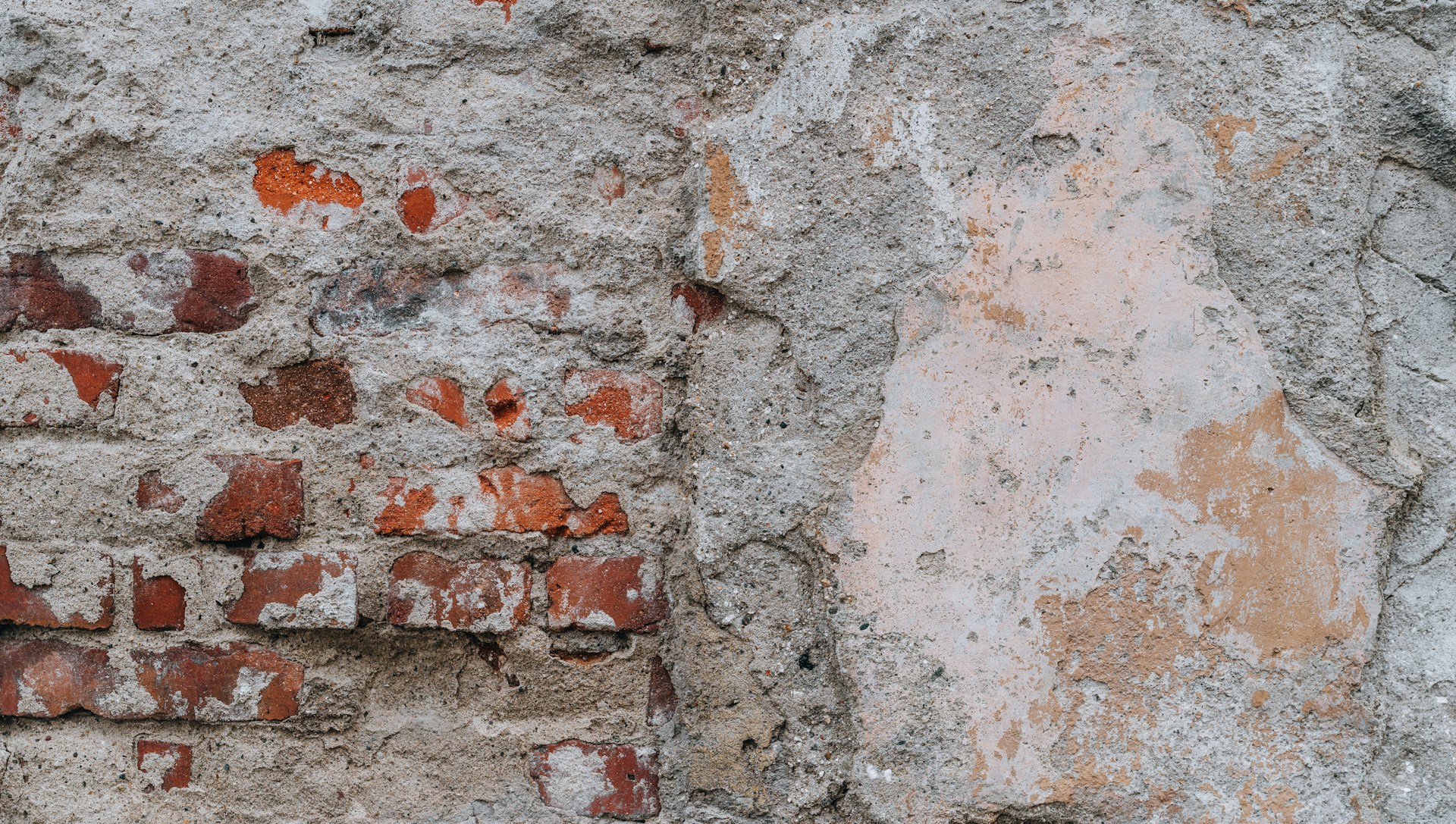
Reclaimed brick tells its own story. Hand-pressed and fired in tiny batches, the old bricks show off subtle color shifts and a texture that machine-made brick can’t match. That variety is what gives a room or façade its authentic depth.
Faux reclaimed finishes have become more popular, but experienced builders and architects spot the difference right away. Distressed new wood doesn’t have the same compression marks from actual use. Reproduction brick can’t fake the micro-texture and color range of material that’s really weathered over time.
When you pick materials with a true backstory, you’re not just making an aesthetic choice. You’re showing a commitment to quality, and it shows in the finished project. Clients building custom luxury homes expect that distinction—and they notice when it’s missing.
Reclaimed materials cut down on construction waste by giving new life to resources we have already pulled from the earth. Every time you save historic timber, stone, or brick from the landfill, you also reduce the demand for new replacements.
So, the environmental and design arguments point in the same direction. Recycled building materials with genuine history offer a smaller environmental footprint and a richer, more interesting look than new products made to look old.
Not everything pulled from a demolition site is worth your time. The best reclaimed materials for high-end residential projects fall into a few categories, each with features that set the real deals apart from the ordinary.
Hand-hewn beams from 19th-century barns and old factories are still some of the most requested reclaimed materials in luxury homes. You’ll see adze marks, checking patterns, and irregularities that new timbers just don’t have.
Reclaimed wood also shines as flooring, wall cladding, ceiling planks, and custom millwork. Wide-plank flooring salvaged from historic buildings often comes from American chestnut, heart pine, or old-growth Douglas fir. These species are either extinct commercially or no longer available in the same quality and size.
Antique brick from pre-1900 buildings shows color variation, slightly odd sizing, and a surface that holds mortar differently than new brick. It’s perfect for accent walls, facades, fireplaces, and outdoor pavers.
Old pavers, especially granite cobblestones rescued from historic city streets, add real weight and permanence to driveways and garden paths. Their worn faces reflect and absorb light in ways that modern concrete pavers just can’t match.
Flooring salvaged from historic homes and old public buildings brings species diversity and a patina you won’t find in new flooring. Reclaimed terracotta tile, antique stone, and wide-plank hardwood all deliver on that promise.
Doors and windows salvaged from period buildings add authenticity to both restoration projects and new builds. Original hardware, glass with subtle distortion, and hand-mortised joinery all speak to a level of craft that’s rare today.
Architectural salvage isn’t just about beams and bricks. It also includes carved lintels, stone columns, ornate mantels, decorative ironwork, and original trim. These pieces are rare—once a building’s gone, you can’t get them back unless someone saved them first.
These unique elements often become the highlight of a room or exterior, grounding a design in a way that reproduction pieces never manage.
The reclaimed materials market is a mix of genuine historic pieces and new stuff made to look old. If you want the real thing, you need to know how to spot it before you buy or specify anything.
The American Institute of Architects notes that material transparency and sourcing documentation play an increasingly important role in responsible building practices.
Provenance of reclaimed construction materials verifies authenticity and offers insights into their age, origin, and history. Builders and architects working on high-end residential projects often rely on documented sourcing to ensure consistency across a project.
Knowing where reclaimed wood, brick, or stone originated can also help preserve architectural continuity when integrating historic materials into modern homes or restoration work.
Real patina develops slowly and unevenly. On reclaimed wood, look for oxidation that sinks into the grain, not just sitting on top. Genuine weathering won’t have a perfect color or sheen.
Tool marks on hand-hewn beams show the irregular rhythm of handwork. Saw marks on old lumber run straight but aren’t evenly spaced, a sign of early mills. Square or cut nails, not round wire nails, usually mean pre-1900 American origin.
On brick, real age shows up as:
Looks matter, but structure matters more if you want to use reclaimed material for load-bearing work. Check reclaimed beams for deep cracks, insect damage, and rot, especially at the ends and any notched areas.
Stone and brick need a look for spalling, cracks, or freeze-thaw damage. If a piece is beautiful but structurally weak, don’t use it in walls or floors unless a pro gives the green light.
Knowing where a material came from helps you trust its authenticity and condition. A beam traced to a specific barn or mill in a known region is worth more than one with no background.
Ask sellers about:
Responsible dealers keep this info and share it without hesitation.
The market for reclaimed building supplies is huge, but quality varies a lot depending on where you look. Knowing your options helps you find the right source for your project.
Local salvage yards offer a big mix of used building materials at reasonable prices. Inventory changes often, and quality control can be hit or miss. For basic stuff like common brick or standard lumber, your local yard might be enough.
Specialty salvage dealers focus on higher-end historic elements—carved mantels, original doors, antique flooring, and decorative ironwork. Their stock is curated and often comes from documented buildings.
Donation-based reuse stores take in materials from renovations and demolitions, then resell them at lower prices.
They do a lot for the community and keep good stuff out of landfills. But for luxury residential projects, these stores rarely have the quality, quantity, or consistency you need. They’re better for hardware, fixtures, or small amounts of common materials.
Local sourcing is great for projects with flexible specs. If you just need any old brick in a general color, your regional salvage yard might have what you want.
But sometimes you need to look nationwide, especially when your project requires:
Requirement
Why Nationwide Sourcing Wins
Specific wood species or beam size
Local yards rarely have rare species in bulk
Matched antique brick in large amounts
Consistent color and texture need a deep inventory
Rare architectural salvage pieces
One-of-a-kind items mean a national search
Documented provenance for restoration
Verification needs expert sourcing
Reliable delivery on a schedule
Professional logistics make it happen
A curated nationwide sourcing operation saves you time and removes the guesswork. You won’t waste days hunting through local yards for materials that just aren’t available nearby.
Working with reclaimed materials takes more planning than ordering new stock. You need to think about quantity, condition, and lead times before locking in your choices.
Reclaimed materials aren’t endless. Once a batch is gone, you can’t just reorder. Before you specify anything, make sure there’s enough available for your needs, plus extra for cuts and breakage.
Ask suppliers:
Renovations and demolitions create surplus materials that someone else can use. Doors, windows, flooring, fixtures, and lumber are all welcome at most reuse organizations.
Before you donate, remove anything hazardous. Lead paint and asbestos need proper handling and can’t be donated for reuse.
Some reuse groups offer pickup for bigger loads, especially if the volume justifies the effort. Free donation pickup is rare but possible with certain nonprofits or deconstruction services when your materials have high value.
Reach out to local reuse centers early in your schedule. If you coordinate pickup before demolition, it’s way easier, and the materials stay protected.
Lots of building materials and fixtures get a second life through reuse:
Reclaimed building materials work beautifully in modern architecture when you use them with intention. The tension between old surfaces and clean lines brings out the best in both.
A hand-hewn beam across a white plaster ceiling draws the eye and grounds the space. It doesn’t fight with the architecture; it complements it. Reclaimed brick as a single accent wall in a minimal interior feels genuine, not forced.
Restraint is key. Historic materials have enough presence that you don’t need to use them everywhere. Pick one or two elements per space and let them breathe. You’ll get a stronger result than if you layer reclaimed materials all over.
Carved stone lintels, antique mantels, and salvaged iron columns deserve to be the stars of a room. These pieces were made to be seen. They work best when you put them front and center, just like their original builders intended.
A rare architectural salvage piece as a fireplace surround, entry threshold, or stair balustrade becomes the story of the room. Clients remember a reclaimed stone mantel from an 1880s Philadelphia rowhouse in a way they just never remember a manufactured one.
Logistics can trip up even the best reclaimed material projects. When you pull materials from all over, and they come in odd shapes or sizes, things can get messy fast. You need to time everything just right, or you end up with unusable stuff or frustrating delays.
If you team up with a sourcing partner who takes care of everything—from finding materials to crating them securely and getting them to your site—you dodge a lot of headaches. This full-service approach keeps your timeline on track and your materials safe.
In luxury builds, where every day of delay costs real money, that's not something to take lightly.
Reclaimed construction materials carry a level of depth and permanence that modern reproductions rarely achieve. From hand-hewn beams and antique brick to salvaged stone and historic millwork, these materials reflect craftsmanship shaped by time, use, and regional building traditions that deserve preservation.
Thoughtful sourcing plays an essential role in preserving that authenticity. Bourgeois Materials collaborates with reclaimed architectural elements salvaged from historic demolition sites across the United States.
When used with restraint and intention, reclaimed materials become more than decorative features. They create spaces grounded in texture, history, and enduring character. Whether incorporated into contemporary homes or restoration projects, authentic reclaimed materials continue to reward careful design and thoughtful craftsmanship.
Reclaimed construction materials are salvaged architectural elements recovered from older buildings, industrial sites, barns, and historic structures for reuse in new construction or restoration projects.
Historic materials were often produced using older-growth timber, hand-finishing techniques, and smaller production methods that created natural variation in texture, density, and color.
Many reclaimed materials remain structurally sound when properly inspected and prepared. Structural beams, brick, and stone should always be evaluated for damage, moisture exposure, and load-bearing suitability before installation.
Architects often specify reclaimed materials because they introduce authenticity, craftsmanship, and visual depth that manufactured materials rarely replicate convincingly.
Authentic reclaimed wood commonly shows oxidation deep within the grain, irregular saw marks, natural checking, nail holes, and wear patterns that develop gradually over decades of use.
Yes. Antique brick was commonly hand-pressed and kiln-fired in smaller batches, resulting in more variation in color, texture, and density than modern machine-made brick.
