

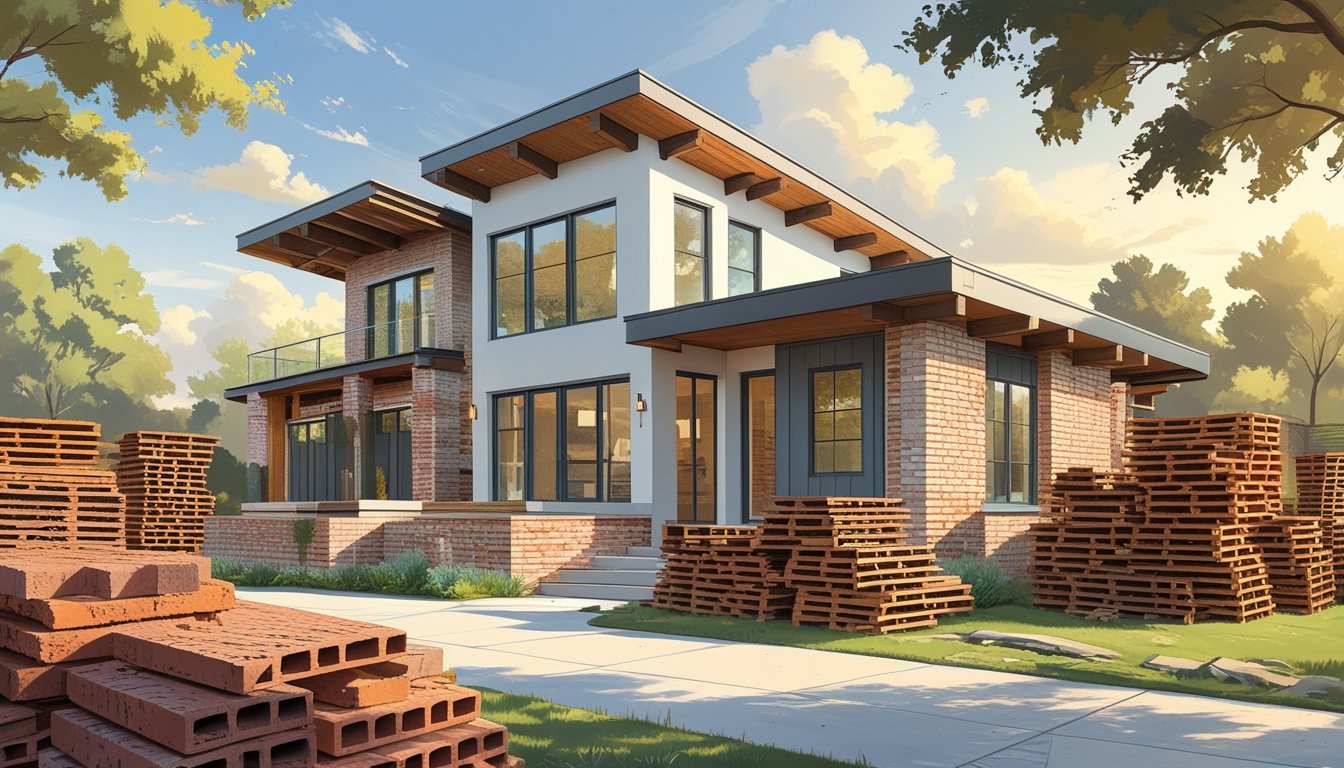
Reclaimed materials for custom homes bring authenticity, efficiency, and sustainability to the art of modern building. More than a trend, they’re a design philosophy rooted in craftsmanship and respect for the past. Each piece carries the beauty of time—worn textures, deep tones, and character impossible to replicate.
At Bourgeois Materials, the focus is on bringing that heritage into new construction. Every salvaged beam, brick, and fixture is sourced for integrity and story, helping homeowners craft spaces that feel lived-in from day one while maintaining structural reliability.
This guide explores the most trusted reclaimed materials for custom home projects, where to find them, and how to ensure quality and safety. You’ll also discover creative ways to use reclaimed pieces for aesthetic balance and long-term performance.
You’ll find options that add character, save resources, and often cost less than new specialty pieces. Focus on material condition, source documentation, and intended use to get the best results.
Reclaimed wood—like barn wood, old-growth timber, and salvaged floorboards—works well for floors, beams, and furniture. Inspect for rot, insect damage, and moisture before buying. Ask sellers for provenance or mill certificates when possible.
Finish choices matter. Hand-scraped planks keep patina; planed and sanded boards suit modern interiors. For structural uses, have an engineer check load-bearing beams. Recycled wood can reduce your need for new lumber and often has tighter grain and greater density than modern softwoods.
Common applications include wide-plank flooring, exposed ceiling beams, stair treads, and built-in cabinetry. Use moisture barriers and proper fastening to prevent future problems.
Reclaimed brick and vintage brick are good for accent walls, fireplaces, and exterior facades. Check bricks for cracks, efflorescence, and mortar remnants. Mortar can be cleaned and tested for strength; some bricks may need re-pointing.
Repurposed bricks offer varied color and texture that new bricks can’t match. You can lay reclaimed brick as a full veneer, thin brick tile, or freestanding garden walls. For structural walls, verify compressive strength and bonding patterns.
Plan for extra labor. Cleaning, sorting, and laying old bricks usually takes more time than new units. Still, they often provide better weathering and historic character.
Recycled metal—steel beams, copper piping, and salvaged hardware—fits both structural and decorative roles. Metal often needs less refinement; confirm corrosion control and bonding for load-bearing uses. Copper and brass add warm accents in kitchens and trim.
Recycled glass works in tiles, countertops, and solar-glass window inserts. Check for chips and temper issues. Recycled glass can be fused into slabs or made into aggregate for terrazzo and countertops.
Recycled plastic (HDPE, PET) appears in decking, insulation, and composite trim. It resists rot and moisture, but check UV stability. For exterior uses, confirm fire rating and long-term colorfastness. Combining materials—like metal frames with recycled-glass inserts—can create durable, eco-friendly features.
Architectural salvage covers doors, windows, mantels, corbels, and stair parts. These pieces offer authentic detail but require careful vetting for fit and code compliance. Measure openings and check for lead paint or asbestos in older elements.
Unique salvaged elements can become focal points: a carved mantel, stained-glass window, or antique stair balustrade. When using vintage windows, consider retrofitting with new glazing or adding storm panels for energy performance.
Work with salvage yards or historic deconstruction firms to document origins and condition. Many pieces need custom framing, reinforcement, or refinishing to meet modern standards.
Reclaimed materials cut resource use, lower the energy tied to new products, and can improve the air you breathe inside a home. They also support green building practices and reduce waste from demolition and manufacturing.
ArchDaily highlights that reclaimed materials directly support net-zero and low-carbon construction by minimizing embodied energy—the total carbon output from manufacturing and transport.
By reusing wood, brick, and metal, builders avoid the emissions linked to extraction and fabrication. This approach aligns with the global shift toward circular architecture, where every reused material extends life cycles and reduces waste in high-end custom homebuilding.
Using reclaimed wood, metal, brick, or fixtures keeps the energy already spent to make those items in circulation. You avoid the embodied energy required to harvest raw materials, mill lumber, smelt metal, or fire new bricks.
That lowers the carbon emissions tied to your project, especially when you source items locally and reduce transport miles. Choose large, salvaged components—beams, structural timbers, reclaimed brick—and you get the biggest savings per item.
Reusing factory-made fixtures or cabinets saves the manufacturing energy of replacements. If you aim for sustainable building certification, reclaimed materials often help you earn credits for reduced embodied carbon.
Older but well-preserved wood and masonry typically emit far fewer volatile organic compounds (VOCs) than many new manufactured finishes. By reusing solid materials and avoiding composite boards, you reduce off-gassing from adhesives, paints, and resins that degrade indoor air quality.
When you pick reclaimed items, inspect and clean them thoroughly. Strip old finishes that may contain lead or other hazards, then seal or refinish with low-VOC products. Properly installed reclaimed materials can lower irritants and allergens, helping you meet healthier indoor air quality targets and improve comfort for occupants.
Reclaimed materials fit naturally into green building strategies you might follow. They support material reuse, reduce construction waste, and promote resource conservation—key goals of sustainable building and many certification systems.
Using salvaged elements can also lower project costs while delivering unique aesthetics. To maximize benefits, document material sources, quantities, and transport distances. That evidence helps you claim sustainability credits and show measurable environmental benefits.
Combining reclaimed materials with energy-efficient systems gives you both lower embodied impact and ongoing operational energy savings.
You will want reliable places to find materials, clear checks to verify quality, and a builder who can install and adapt reclaimed items without waste. Prioritize suppliers with good inventory records, inspect materials in person, and hire a custom home builder experienced with salvage and architectural reuse.
Start with local salvage yards and architectural salvage dealers that list inventory online or by phone. Call ahead for specific items—beams, vintage doors, reclaimed hardwood, or old brick—to avoid wasted trips.
Ask about the material’s origin, how long they’ve held it, and whether they offer delivery or milling services.
Use online marketplaces like Planet Reuse, ReStore, or regional directories to compare prices and availability. Inspect items for rot, termite damage, or hairline cracks in person. Negotiate a fair price that includes any cleaning, de-nailing, or reconditioning the supplier will do.
Verify species, age, and treatment history for wood; look for tight grain, old-growth density, and consistent patina. For structural timber, ask for mill reports or load-bearing assessments when possible.
Check bricks and stone for spalling, chips, or hairline fractures that could affect long-term performance. Confirm non-wood items—like windows or hardware—operate correctly and meet local code for energy and safety.
Request documentation or provenance when available; authentic architectural salvage often has photos or prior-installation notes. When in doubt, bring a trusted contractor or structural engineer to inspect.
Choose a custom home builder with direct salvage experience and a portfolio that shows adaptive reuse. Ask how they handle dimension mismatches, re-milling, and moisture stabilization for reclaimed wood.
A skilled builder will plan for extra time and onsite fitting, and will budget for testing, reconditioning, and possible waste. Set clear roles in the contract: who buys and stores materials, who pays for reconditioning, and who handles permits tied to reused items.
Insist on mock-ups and trial installs for key features like staircases or mantels. This reduces surprises and keeps your reclaimed materials performing well in a new custom home.
You can use reclaimed materials in load-bearing structures, visible interiors, and outdoor spaces to add character and reduce waste. Choose materials that match the function: structural-grade reclaimed wood or recycled concrete for strength, and reclaimed glass or architectural elements for visual impact.
Use reclaimed wood beams and posts that meet structural grading for exposed framing or interior support. Have a structural engineer inspect old timbers for rot, insect damage, and correct moisture content before you commit them to framing.
Recycled concrete can work for footings, crushed aggregate, or concrete blocks. Ask your contractor for crushed recycled concrete (RCA) with documented compressive strength and proper compaction methods.
If you plan on using reclaimed masonry or structural brick, verify mortar compatibility and perform tie-back or reinforcement details where needed. Keep permits and engineering notes on file so inspections pass.
Install reclaimed wood flooring, ceiling planks, or stair treads to give rooms a weathered, high-end look. Select boards with stable moisture content and have gaps or nails corrected before installation.
Use recycled glass tiles for kitchen backsplashes, bathroom walls, or as countertops to add color and a reflective surface. Confirm the glass has food-safe finishes for counters.
Repurpose architectural elements—like antique doors, transom windows, and cast-iron radiators—as focal points. They work well in custom homes when matched to modern HVAC, sound, and energy codes.
For walls and accents, reclaimed brick, stone, or metal panels create texture. Seal porous materials to prevent dust and staining in living spaces.
Apply reclaimed cedar or oak cladding on facades for natural patina and UV resistance; treat fasteners to avoid staining. When using recycled glass or bottle glass in pavers, bind it in resin or concrete to prevent loosening and sharp edges.
Use recycled concrete aggregate for driveways, patios, and base layers. It drains well and lowers material cost. Reclaimed stone and architectural fragments make strong garden walls, steps, and edging.
Incorporate salvaged windows and doors in outbuildings, greenhouses, or as design accents—ensure they meet current thermal and weather-tightness standards or retrofit with new glazing.
You will need to decide who installs the materials, how to protect them from moisture and pests, and what routine care they require. Focus on proper inspection, correct fasteners, and a maintenance plan so reclaimed or recycled materials stay safe and attractive.
If you have carpentry experience, install reclaimed wood trim, non-structural brick veneers, or repurposed doors yourself. Clean pieces thoroughly, remove old nails, and pre-drill holes for screws to avoid splitting.
Use stainless or galvanized fasteners and flexible adhesives on uneven surfaces. Hire a pro for load-bearing beams, structural joists, or materials with suspected damage like rot or insect holes.
Contractors can engineer reinforcements, handle permits, test for hazards such as lead paint or asbestos, and ensure compliance with local codes. Always ask for references and proof of experience with reclaimed or recycled materials.
Create a clear plan before starting: measure each piece, mark those needing repair, and set aside replacements. Careful planning reduces surprises and waste during installation.
Inspect reclaimed materials every 6–12 months. Look for loose nails, split boards, crumbling mortar, or new insect activity. Early detection helps prevent major repairs.
Control indoor humidity (35–55%) to limit wood warping and splitting. Clean wood with a soft brush and mild soap, and apply penetrating oil or wax on floors and trim as needed. For brick and stone, repoint mortar joints with compatible mortar and keep exterior drainage clear to avoid freeze-thaw damage.
Keep records of treatments, repairs, and original sources for future permits or resale. For outdoor use, choose finishes rated for exterior exposure and plan for more frequent maintenance.
Reclaimed materials remind us that great design honors both form and memory. From structural beams to handcrafted doors, every salvaged element links the present to the craftsmanship of earlier generations, creating homes that feel grounded and enduring.
At Bourgeois Materials, these materials are carefully selected to meet the standards of today’s builders while preserving the artistry of the past. Each reclaimed piece becomes part of a new legacy—strong, beautiful, and sustainable.
If your custom home deserves materials with history and integrity, reach out to discuss sourcing options and design guidance tailored to your vision.
Find practical answers about using reclaimed wood, where to buy quality pieces, cost comparisons, and real environmental benefits. Learn how to use reclaimed materials in structure and finish work, what to check before buying, and typical price trade-offs.
Use reclaimed wood for exposed beams, flooring, wall cladding, stair treads, and built-in cabinetry. For structural uses, have a structural engineer inspect beams and confirm load capacity before installation.
Trim, mantels, and accent walls work well for decorative reclaimed pieces that do not carry loads. Condition and treat the wood first: remove nails, stabilize cracks, and acclimate boards to your home's humidity.
Reclaimed materials add unique texture and historic character that new products can’t match. They often include old-growth wood and hard-wearing bricks with patinas formed over decades.
Reduce landfill waste and lower demand for new raw materials. Reclaimed pieces can increase perceived value and give your home a distinct, custom appearance.
Check local salvage yards and architectural reclamation stores for beams, mantels, and flooring you can see in person. Online marketplaces and specialty dealers also sell vetted reclaimed wood and antique bricks, but inspect photos and seller reviews closely.
Contact demolition contractors and renovation projects for raw salvage from barns, factories, and historic homes. Local contractors and timber reclaimers often offer delivery and cutting services.
Reusing wood, brick, and stone lowers waste sent to landfills and cuts demand for freshly harvested timber and newly fired bricks. This reduces the energy and emissions tied to manufacturing new building materials.
Test and remediate hazards like lead paint or asbestos commonly found in old materials before reuse to protect occupants and meet regulations.
Inspect pieces for rot, insect damage, and hidden metal fasteners. Check moisture content and acclimate boards to your home’s conditions to prevent warping or gaps after installation.
Verify provenance and any available grading or certification for structural use. Plan for extra labor to clean, plane, or reinforce reclaimed pieces, and budget for testing if you plan to use materials in load-bearing applications.
Reclaimed materials may cost less or more than new materials, depending on their rarity, condition, and how much processing they need. Salvaged local pieces often save money, while rare antique wood or fully prepared reclaimed products can be more expensive.
Consider the extra labor needed for cleaning, testing, and fitting reclaimed items. Reclaimed materials often provide good value for custom homes when you factor in their durability and unique appearance.
