

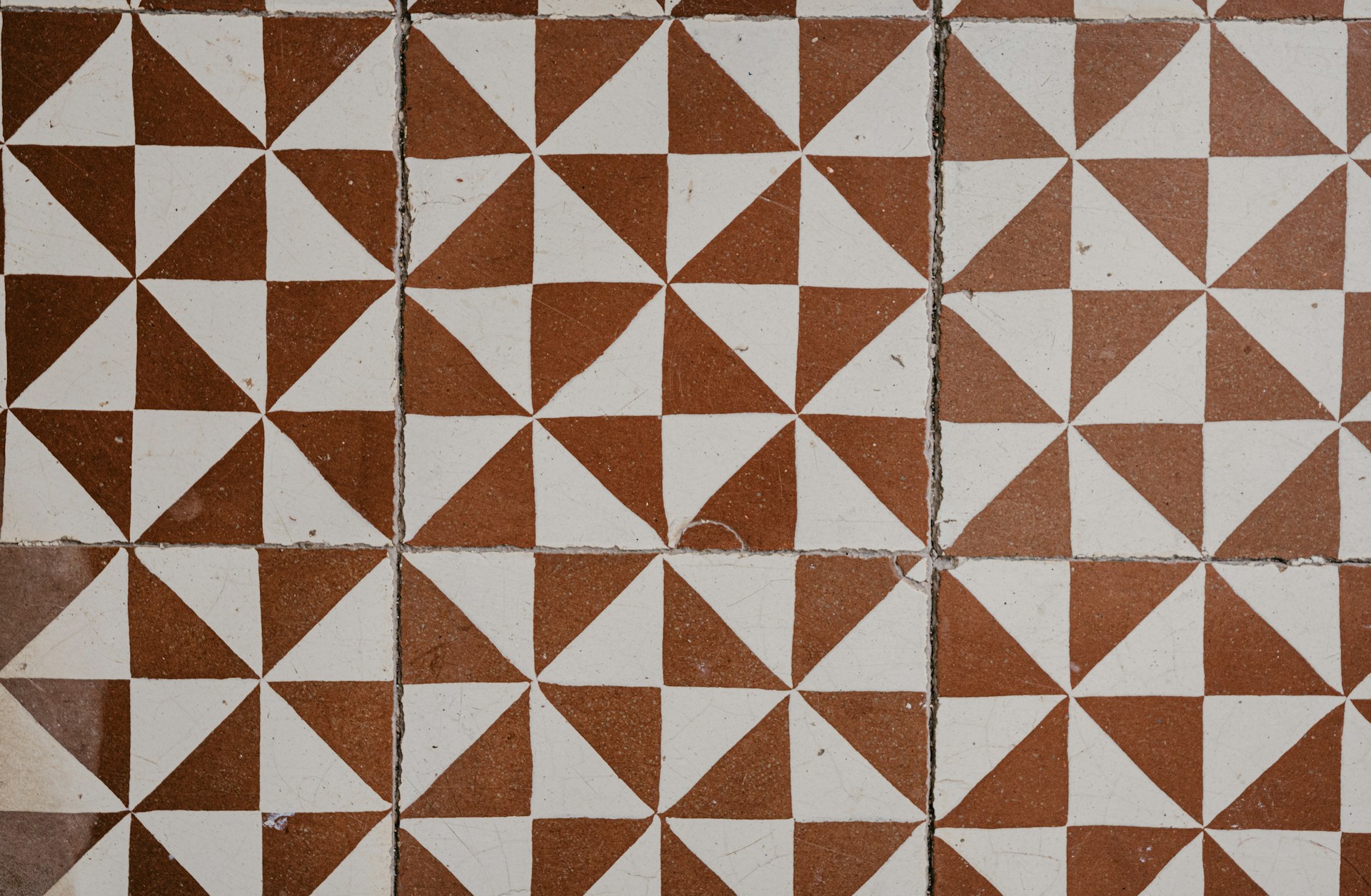
Real terracotta carries the warmth of centuries—sun-baked clay, hand-pressed surfaces, and color that deepens with every footstep. When reclaimed from historic structures, these tiles bring an old-world presence that new products simply cannot recreate. At Bourgeois Materials, we source authentic reclaimed terracotta floor tiles from historic demolition sites across the country and abroad, preserving the character, irregularity, and craftsmanship that define true heritage clay.
You can use reclaimed terracotta to create rooms that feel grounded and enduring. These tiles offer natural variation, proven durability, and the unmistakable patina of lived history while helping reduce waste and embodied carbon. This guide will walk you through what reclaimed terracotta is, why builders and homeowners choose it, how styles and shapes vary, and what to consider when selecting and installing it in kitchens, bathrooms, or restoration projects.
If your project calls for real character and documented provenance, reach out to Bourgeois Materials. Our reclaimed terracotta is carefully sourced, graded, and prepared so you can build with honesty, continuity, and craft.
Reclaimed terracotta floor tiles are clay tiles taken from older buildings and reused in new projects. They keep original wear, color variations, and hand-made marks that give a room warmth and history.
Reclaimed terracotta shows uneven color, slight warping, and surface pitting from firing and years of use. You’ll see warm reds, oranges, and pale earth tones mixed on the same floor. Sizes and shapes often vary because older tiles were hand-pressed or fired in small batches.
Expect a denser, sometimes harder feel than mass-produced new terracotta. The surface may be worn smooth in high-traffic areas or retain tool marks at the edges. Many reclaimed quarry tiles and antique terra cotta have a natural, low-gloss finish and take sealers differently than new terracotta.
Salvage crews remove tiles by hand from farmhouses, chateaux, warehouses, and old public buildings across Europe—especially France and Italy—to preserve intact pieces, then clean and grade them for reuse.
Some suppliers sort by region or era so you can match a specific patina or size. Smaller reclamation lots come from single buildings, while larger stocks may blend tiles from many sites. Shipping and handling add cost because careful crating prevents breakage.
Manufacturers make new terracotta tiles to consistent size, color, and finish by mixing clays and controlling kiln temperatures. That makes installation simpler and grout lines even.
Reclaimed tiles vary in thickness, color, and edge profile, so installation takes more prep and skilled fitting. These often need cleaning, regrading, and sometimes re-sanding before laying. On the flip side, reclaimed tiles offer unique character—aging, historic wear, and irregularities that create a lived-in look.
You get warm, historic character, strong durable material, and a greener option when you choose reclaimed terracotta. These tiles bring unique color and texture, long-lasting performance, and a lower environmental footprint compared with new materials.
Reclaimed terracotta floor tiles show wear and color shifts that you won’t find in new tiles. Each tile often varies in shade from deep ochre to soft peach because of hand-making and uneven kiln firing. You can expect irregular edges, surface marks, and slight size differences that create a lived-in, authentic look.
This patina works well in kitchens, hallways, and living rooms where you want a warm, historic feel. Mixing tile shapes—rectangular, square, hexagon—adds pattern interest without looking factory-perfect. If you value character over uniformity, these tiles give your floor a one-of-a-kind appearance.
Decades of use in old buildings have already proven reclaimed terracotta's toughness. Fired clay resists crushing and, when properly sealed, stands up to foot traffic, spills, and heated-floor systems. You should expect to grind and re-seal tiles in high-use areas, but proper maintenance will keep them serviceable for many years.
Installation needs attention because sizes can vary; skilled laying and grout choice prevent movement and water ingress. When maintained—regular sweeping, gentle cleaning, and periodic resealing—reclaimed terracotta flooring can outlast many modern finishes while keeping its original look.
Choosing reclaimed terracotta floor tiles cuts demand for new raw clay and lowers the energy used to make and fire new tiles. Salvaging tiles from old buildings reduces landfill waste and preserves the embodied energy already spent on manufacturing. That helps you reduce the carbon footprint of your renovation.
Reclaimed tiles also avoid extraction impacts tied to new quarries and firing kilns. Transport and careful reclamation matter, so look for local salvage sources or suppliers who document provenance. This ensures your terracotta flooring choice supports genuine reuse rather than long-distance shipping that offsets some environmental gains.
You will find regional styles, many shapes and a wide color range in reclaimed terracotta. Each choice affects look, wear and installation, so pick tiles that match your space, traffic level, and finish preferences.
French terracotta often comes from older farmhouses and manor homes, so the tiles carry a lived-in patina and irregular edges. You’ll see the classic "French terracotta" or "terra cotta" with warm reds, deep oranges, and muted ochres. Pieces reclaimed from Provence or rural Brittany tend to be softer in tone and more worn from centuries of use.
Look for reclaimed quarry tiles when you want a thicker, heavier option suited to high-traffic rooms. Quarry-style reclaimed tiles are denser and can handle kitchens, entryways, and commercial settings better than thin decorative tiles. If you restore a heritage villa, matching the regional profile—size, bevel, and surface finish—keeps the floor authentic.
Reclaimed terracotta comes in many shapes: squares, rectangles, hexagons, and parquet-style planks. Square and rectangular quarry tiles are common for rustic kitchen floors and hallways. Hexagon or mosaic formats give a historic or decorative look for bathrooms and foyers.
Sizes often vary because older production did not standardize dimensions. Expect variations in millimeters; plan grout joints to mask irregularities. Parquet and subway-style reclaimed tiles let you create patterns like herringbone or chevron. Choose thicker reclaimed quarry tiles for underfloor heating and heavy use to avoid breakage.
Color ranges run from deep brick red to peach, ochre, and faded terracotta pink. Your tile color depends on clay source and firing methods used when the tile was made. Handmade, wood-fired tiles usually show more variation and smoky patches than industrial-fired quarry tiles.
When buying reclaimed material, expect visible inconsistency in hue and texture. That variation often adds character, but if you want a uniform field, look for sorted batches labeled by tone. Sealing can deepen colors and protect porous tiles, while a natural finish preserves a matte, aged appearance.
Reclaimed terracotta offers durable, character-rich material choices for floors, walls, and exterior surfaces. You get a mix of warmth, variation in color and texture, and lower embodied carbon compared with new fired-clay products.
You can use reclaimed terracotta tiles for kitchens, hallways, bathrooms, and living rooms. The tiles bring warm reds, ochres, and pale tones that work with wood, stone, and minimal cabinetry. Hand-made variations mean each tile differs slightly in size and color, so plan for tight joint work or a rustic grout finish to keep the look intentional.
Reclaimed terracotta stands up well to heavy foot traffic when sealed and installed over a level substrate. Consider underfloor heating compatibility and non-slip sealers for wet areas. For maintenance, recommend breathable sealers and regular re-oiling or resealing to protect the surface without trapping moisture.
You can use reclaimed terracotta in restaurants, galleries, and restored historic buildings to preserve authenticity. Match tile size, texture, and patina to existing fabric; reclaimed pieces often come from French or regional sources and suit period interiors. Using reclaimed tiles reduces the need to replicate antique finishes and helps meet conservation standards.
In commercial settings, check durability ratings and source consistency for larger runs. Plan phased installation to blend new and reclaimed tiles, and keep spare tiles for future repair. Reclaimed terracotta also supports sustainability goals by reusing long-lasting material and lowering embodied carbon.
You can install terracotta tiles indoors and outdoors, but choose types and finishes that handle the conditions. Exterior use requires frost-resistant pieces and open-joint rainscreen detail for ventilation; reclaimed tiles vary in thickness, so test for freeze-thaw resistance. For patios and walkways, rougher textures or anti-slip treatments improve safety.
Indoors, terracotta performs well in kitchens, wine cellars, and entryways. Outdoors, use reclaimed tiles on sheltered terraces, garden paths, and steps when you confirm weathering characteristics. In both cases, plan for proper drainage, substrate preparation, and compatible mortar or mechanical fixing to ensure long-term stability.
Choose reclaimed terracotta that fits your room’s traffic, color palette, and moisture exposure. Check tile thickness, backing condition, and any historic finishes before you buy or install.
When you inspect reclaimed terracotta, look for consistent thickness and minimal cracks. Hold a sample up to light to spot hairline fractures and check the back for old mortar or lime that can hide damage.
Ask the seller for provenance and photos of entire floors if possible. Prefer tiles salvaged from similar-use areas (e.g., former kitchens for new kitchens). Request a mix of extra tiles—plan 10–15% overage for cuts and breakage.
Sort tiles by shade and wear before installation. Dry-lay them to test pattern and color balance. Reject tiles with large voids or severe spalling; those will absorb moisture and fail sooner.
Prepare a level, rigid substrate. For floors, use a cement-based screed or thin-set over a decoupling membrane if the subfloor may move. For heated floors, confirm tile thickness and thermal conductivity with your installer.
Use a flexible, polymer-modified mortar rated for natural clay tiles. Butter the back of irregular reclaimed tiles to ensure full contact. Maintain 3–10 mm grout joints to accommodate size variation; use spacers when needed.
For exterior or wet areas, apply a waterproofing membrane beneath the mortar. After laying, allow a full cure time before grouting—typically 24–72 hours. Always follow manufacturer recommendations for adhesives and membranes.
Seal reclaimed terracotta before grouting if the tiles are very porous. Use a penetrating sealer for interior floors to reduce staining while keeping the matte look. For high-moisture areas, choose a water-resistant sealer and reapply every 1–3 years.
Grout with a cementitious or epoxy grout designed for floors; epoxy resists staining but is harder to tool. After grouting, clean promptly to avoid haze. For long-term care, wet-mop with a pH-neutral cleaner and avoid acidic detergents that etch clay.
Address chips and missing material by filling with color-matched epoxy or mortar mixes. Keep extra reclaimed tiles for repairs to match tone and texture over time.
Reclaimed terracotta offers something no modern manufactured tile can match: warmth shaped by time, color created by the earth, and a story already lived before it enters your space. When sourced carefully and installed with intention, these tiles deliver durability, charm, and a level of authenticity that elevates both contemporary and traditional designs.
If you want reclaimed terracotta that’s genuine, graded, and ready for installation, Bourgeois Materials is your trusted partner. Our curated inventory, detailed documentation, and nationwide delivery make it easy to bring historic beauty into your home or project with confidence.
Looking for the right reclaimed terracotta tiles?
Contact Bourgeois Materials today - we’ll help you source the perfect batch.
This section answers common practical questions about reclaimed terracotta tiles. You will find clear details on price drivers, where to source tiles, outdoor suitability, buying steps, installation costs, and size options for kitchens.
Age and rarity raise the price. Tiles from 18th- or 19th-century buildings or unique regional styles cost more.
Condition and level of restoration affect cost. Cleaned, repaired, and sealed tiles sell for higher prices than rough or heavily worn pieces. Tile size, shape, and color consistency matter, with large, uniform tiles or rare shapes like hexagons commanding premiums.
Supply, demand, and shipping add to the final price. Locally salvaged stock is cheaper than imported, crated tiles from Europe.
Start by searching local architectural salvage yards and reclamation stores, as these places often have tiles from regional demolitions.
Check online marketplaces that specialize in reclaimed materials. Sellers usually list provenance, dimensions, and condition photos for review before buying.
Contact antique dealers and restoration contractors. They sometimes handle salvage projects or can point you to suppliers. Restoration contractors may also have leads on current stock.
Many reclaimed terracotta tiles work outdoors, but you must confirm frost resistance and porosity. Unglazed terracotta absorbs water and can crack in freeze-thaw climates.
Choose tiles graded for exterior use or treat them with a penetrating sealer and proper installation methods. Good drainage and a stable substrate reduce the risk of damage. For more on architectural salvage materials, consult industry resources.
Inspect tiles in person when possible. Look for cracks, heavy wear, and altered thickness that affect laying and durability.
Ask for provenance, batch quantities, and return policies. Request delivery crating for long-distance shipments to avoid breakage. Negotiate based on condition and quantity, as sellers often give discounts for large orders or leftover batches from the same source.
Labor rates vary by region, but expect higher installation costs than new tile. Installers spend more time fitting uneven reclaimed tiles and matching grout lines.
Plan for extra costs: substrate prep, leveling, specialized adhesives, and sealing. Allow a contingency for waste and replacement tiles, typically 10–20% extra material.
You will commonly find squares and rectangles from about 6x6 inches to 12x12 inches. Old farmhouses also yield long, narrow pavers and larger slabs up to 16x16 inches.
Hexagons and parquet-style shapes appear less often but are available from some salvage sources. You can mix different sizes for borders or patterns, but plan the layout and transitions before installation.
