

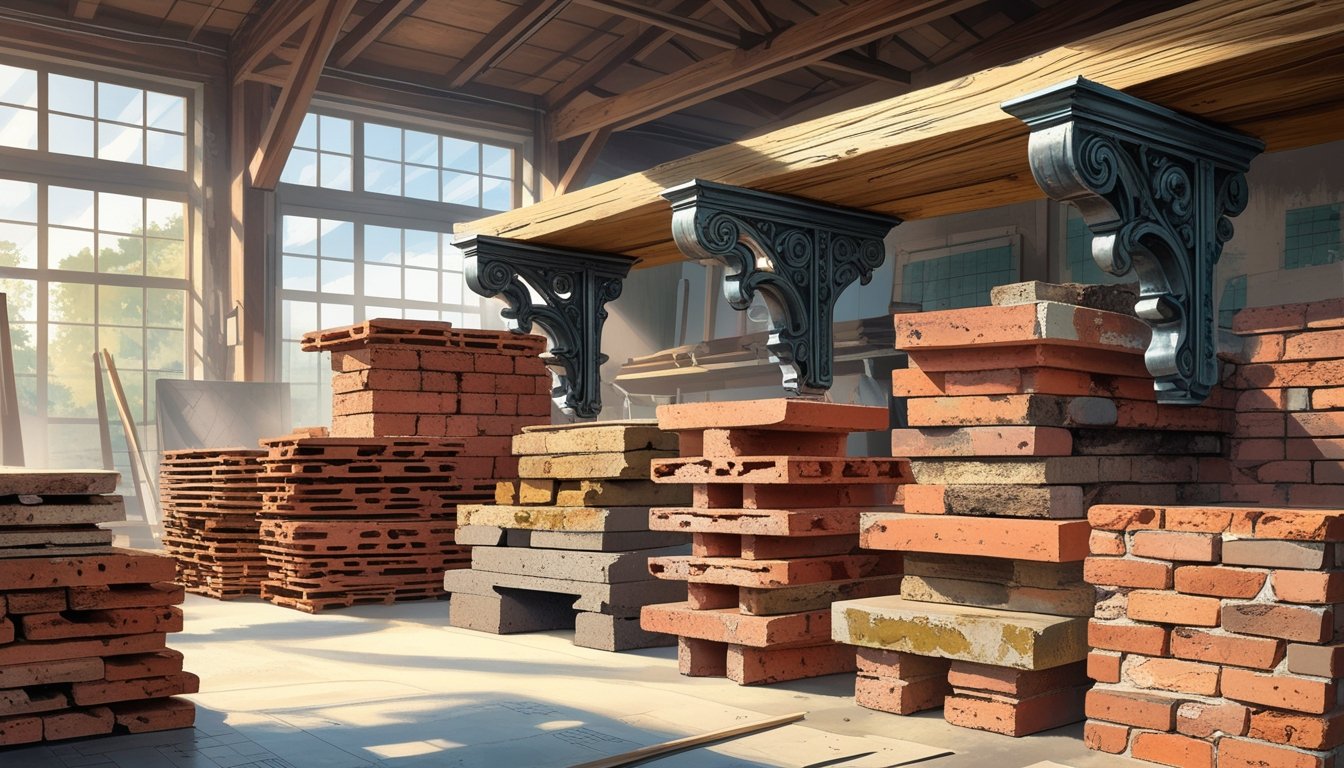
Architectural salvage materials bring craftsmanship, history, and sustainability together in one place. They let you reuse durable pieces—doors, mantels, windows, and flooring—that carry unique stories and qualities that modern items rarely match.
At Bourgeois Materials, we specialize in connecting designers, homeowners, and builders with verified reclaimed and salvaged materials ready for restoration or reuse. Our experts source from trusted yards and certified deconstruction partners to ensure quality and authenticity.
This guide explains where to find architectural salvage materials, how to inspect them, and creative ways to use them in homes and projects that stand out for both beauty and environmental responsibility.
These are pieces with history, durability, and clear signs of use. They come from buildings that were torn down or renovated and can be reused in homes and projects for practical or decorative purposes.
Architectural salvage materials are parts removed from buildings before demolition. You’ll see beams, doors, windows, mantels, and metalwork that still work or can be repaired. These items keep original craftsmanship—hand-cut joints, old-growth timber, and cast-iron fittings—that you rarely get in new mass-produced products.
Look for patina, wear, and maker’s marks as signs of authenticity. Salvaged pieces often show decades of weathering or use, which adds character. They also tend to be stronger or denser than modern equivalents, especially reclaimed wood and cast iron.
Common salvaged materials include structural elements, finishes, and fixtures. Structural items: timber beams, posts, bricks, stone lintels. Finish materials: floorboards, mouldings, cornices, tiles. Fixtures: fireplace surrounds, sinks, bathtubs, lighting, and original doors and windows.
You can also find small items like doorknobs, hinges, and stained glass. Many reclamation yards sort by material and condition, so you can choose ready-to-install pieces or ones that need cleaning and repair. Prices vary by rarity, size, and condition.
Some salvaged items are true architectural antiques: carved mantels, original staircases, leaded glass panels, and ornate ironwork. These pieces often carry maker’s marks or design styles tied to a specific era, like Victorian cast-iron radiators or Georgian cornices.
Uncommon finds include industrial items (steel columns, factory windows), terra-cotta facades, and bespoke stonework. You might also discover branded hardware or labelled tiles that tell a building’s story.
These rarer pieces raise value and act as focal points in a room, but they may need specialist handling to install safely.
ArchDaily highlights how architectural salvage has become key to sustainable design, preserving original craftsmanship while cutting landfill waste. Salvaged items like carved mantels and vintage metalwork now feature in both high-end and everyday builds, linking design heritage with environmental responsibility.
You can find reusable doors, mantels, tiles, and fixtures in several reliable places. Each source has different pricing, delivery options, and item turnover, so check details before you go.
Salvage yards specialize in reclaimed building materials like antique doors, carved mantels, and reclaimed lumber. Call ahead to ask about current stock and delivery; many yards keep heavy items in warehouses and offer loading help.
Bring a tape measure and photos of your space so you know if a piece will fit. Look for yards that list provenance or age on labels. Good yards often repair cracked wood or stabilize stone before sale. Prices vary—common items are cheap, rare carved pieces cost more.
Ask about handling lead paint or asbestos if the pieces are old. Tip: Join a yard’s mailing list or follow its social feed to hear about new arrivals and demolition sales.
Online options include Craigslist, Facebook Marketplace, eBay, and specialized salvage marketplaces.
Search keywords like “salvaged,” “reclaimed,” or the specific item you want. Always read photos carefully and ask for exact dimensions, condition details, and whether the seller offers local pickup or shipping.
Auctions and estate sales can yield unique fixtures and lighting. For auctions, set a clear budget and check pickup deadlines. Use shipping calculators when buying heavy items—transport can exceed the item cost. Verify return policies and ask if the piece was tested (for wiring, glass, etc.) before you buy.
Making an account and saving searches or joining seller mailing lists helps you act fast when rare pieces appear.
Nonprofits like Habitat for Humanity ReStore sell donated building materials at lower prices and support local causes. ReStores often carry donated doors, windows, hardware, and flooring. Check store hours and call about large items—many stores list big-ticket donations online.
Local demolition companies, community reuse centers, and historic preservation groups also offer materials. Ask contractors on-site if you can salvage items before teardown; you may need basic tools and safety gear. Community groups often post listings in neighborhood forums or a mailing list for volunteers and buyers.
Donated materials may need cleaning or minor repairs, so budget for supplies. Buying from nonprofits helps the community and reduces landfill waste.
These reclaimed materials add character, save money, and cut waste. You’ll find pieces that work for structural needs, decorative accents, and DIY projects.
Reclaimed wood often comes from barns, old floors, and demolished homes. Look for dense hardwoods like oak and chestnut for flooring and structural beams because they resist wear and last for decades. Softer species can work well for trim, shelving, and furniture.
Inspect boards for rot, insect damage, and excessive warping before buying. Plan to remove old nails and screws, then flatten and mill boards as needed. You can refinish floors with a durable polyurethane or oil finish. For woodworking, match the original grain and thickness to keep joints strong.
Tools and supplies to expect: hand plane, jointer, moisture meter, sanders, and wood filler. Reclaimed wood gives you patina and tight grain you rarely find in new lumber.
Stained glass panels and old windows bring color and period detail to a room. You can install intact leaded panels into doors or frame them as wall art. For windows, check sash condition, muntin stability, and glazing putty. Broken panes or loose lead came are repairable but add cost.
Test for lead paint on frames and use protective gear when removing old glazing. Small chips can be stabilized with epoxy; full restorations need a glazier. Use silicone or modern weatherstripping if you plan to keep vintage windows in an exterior opening to improve energy performance.
Stained glass works well in transoms, cabinet inserts, and skylights. Vintage windows and stained glass both add visual interest and increase resale appeal when properly restored.
Cast iron radiators, columns, and decorative grates suit period-style homes and heavy-use areas. Cast iron is strong but brittle; check for cracks and major pitting. Wrought iron gates, railings, and brackets offer malleable shapes and can be welded and reshaped for custom projects.
Remove rust with wire brushes or media blasting, then apply rust inhibitor and high-quality metal primer. For painted pieces, test for lead and strip safely if needed. Repaired cast iron parts often need threaded inserts or brazing by a metalworker.
Use cast iron for stove surrounds, mantles, and structural columns where strength matters. Wrought iron fits decorative railings, light fixtures, and hardware. Both give durable, historic detail you can’t replicate with cheap modern metal.
Salvaged floor tiles, mantles, and columns can define a room’s style instantly. Terra cotta or encaustic tiles work well as focal backsplashes, fireplace surrounds, or patch repairs in historic floors. Inspect tiles for cracks and match sizes and patterns when planning a layout.
Mantles come in carved wood, cast iron, and stone. Check mounting points and any hidden rot or hairline fractures. Solid mantles may need reinforcement when installed over new framing. Columns—wood, cast stone, or cast iron—are useful for porches, interior division, or as decorative pedestals.
When reusing these elements, measure openings and note load-bearing needs. Plan for shipping and handling costs; mantles and stone columns can be heavy. Proper prep and installation make these reclaimed pieces functional and memorable in your home.
You can turn salvaged pieces into useful, attractive elements that save money and add character. Focus on repairs that keep the structure intact, lighting that uses vintage fixtures safely, and outdoor projects that handle weather and soil contact.
When you restore wood doors, mantels, or trim, start by checking for rot, insect damage, and loose joints. Remove old paint with a chemical stripper or heat gun in a ventilated area, and test for lead before you begin.
Use wood filler or epoxy for small gaps; replace only the rotten sections to keep the original character. For cast-iron or metal pieces, remove rust with a wire brush and treat with a rust inhibitor before painting.
Keep records of measurements and hardware types as you work. Label removed pieces and store fasteners together so you can reinstall or reuse original parts. If an item has historic value, consult a conservator before altering its finish or profile.
Vintage fixtures and stained glass make strong focal points. Rewire old lamps and chandeliers to meet current electrical codes; use a licensed electrician if you’re unsure. Replace cloth-covered wiring and worn sockets, and add LED bulbs to cut heat and energy use.
Turn small stained-glass panels into suncatchers or cabinet inserts by framing them in thin metal or wood. Use reclaimed doorknobs, key plates, and hinges as decorative hooks or drawer pulls—secure them with new screws sized to the substrate.
For safety, seal any exposed leaded glass edges and clean metal with non-abrasive products to avoid damage.
Hardy salvage, such as stone, brick, and reclaimed wood, works well outside when treated correctly. Build raised beds from reclaimed timbers lined with heavy-duty landscape fabric to block soil contact with older wood that may contain old preservatives. Use cast-iron grates or metal gates as trellises for climbing plants.
Create garden paths from reclaimed pavers or broken tiles set into sand or mortar for a stable footing. Repurpose an old bathtub as a trough-style planter—drill drainage holes and add gravel. For outdoor benches or tables, reinforce joints and apply exterior-grade sealant or paint to protect against moisture and UV.
Place salvaged pieces where drainage and airflow reduce rot risk, and inspect annually for pests or structural wear.
Using reclaimed material cuts landfill waste, saves energy, and supports local markets. The points below show clear benefits, practical design choices, and ways you can help the reuse movement grow.
Using reclaimed material lowers the demand for new production. That means fewer raw materials mined, less energy used in manufacturing, and lower greenhouse gas emissions from transport and processing.
For example, salvaging hardwood flooring or brick avoids the carbon and energy costs of milling new lumber or firing new bricks. You also reduce landfill volume.
Construction and demolition debris make up a large share of waste; diverting usable items like doors, windows, and fixtures prevents them from becoming trash. That can cut disposal fees and reduce local waste-management strain.
Be aware of hazards. Some older materials may contain lead paint, asbestos, or PCBs. Test suspect items and follow local rules for handling or disposal to protect health while still salvaging safe, useful components.
Design for disassembly to recover parts later. Use mechanical fasteners like bolts and screws instead of glues or sealed joints. Label assemblies and keep simple drawings that show how pieces connect.
Choose durable, single-material components that are easy to clean and reuse. Standard sizes and modular parts make future reuse simpler and more affordable. Plan for easy maintenance access so you can repair items instead of replacing them.
Specify reclaimed items early in your project. Include acceptance standards, such as condition and structural soundness, in your documents. Track provenance and testing records for reclaimed materials to meet code and buyer expectations.
Buy from local salvage yards, reuse centers, or online materials exchanges to keep materials in use. These markets offer doors, millwork, fixtures, lumber, and tiles you can inspect before buying.
Donate surplus materials to reuse stores or community groups. This reduces disposal costs and helps nonprofits, schools, and affordable housing projects access materials.
Advocate for incentives like tax credits or procurement rules that favor reclaimed material. Support municipal C&D diversion programs and repair cafes that build local skills and reduce waste.
Architectural salvage materials offer beauty, integrity, and sustainability in every project. When properly inspected and restored, they rival or exceed new products in quality and style. Reusing these materials supports circular design and keeps valuable resources in use for decades to come.
At Bourgeois Materials, we help clients locate, verify, and integrate reclaimed and salvaged materials seamlessly into renovation and construction projects. Our sourcing network ensures authenticity and performance for projects of every scale.
Ready to find salvaged pieces for your next build or restoration? Reach out to our team for expert sourcing support and creative reuse solutions.
Learn about common salvage items, safety checks, where to shop, and top project ideas. Find steps for inspecting, testing, and matching salvage to your needs.
You'll often find doors, window sashes, stained glass, and mantels. Trim, corbels, and carved moldings are also common. Look for hardware like knobs, hinges, and latches. Cast-iron radiators, lighting fixtures, and newel posts appear frequently.
Flooring materials such as wide-plank hardwood and reclaimed tiles are popular. Outdoor finds include brick, stone, and metal grates.
Check wood for rot, insect damage, and warping before buying. Push and tap to test strength. Test painted surfaces for lead if the building predates 1978. Use a home lead test kit or hire a certified tester. If you suspect asbestos in adhesives, tiles, or insulation, get a professional lab test. Have a licensed electrician check wiring and connections for electrical items.
Old doors become dining tables, headboards, or sliding barn doors. Large mantels make entryway shelves or benches. Stained glass is reframed as window inserts or wall art. Reclaimed flooring is used for feature floors or stair treads.
Metal grates and cast-iron pieces work as radiator covers or decorative panels. Tiles are reused for backsplashes, tabletops, or garden paths.
Visit local salvage yards and deconstruction businesses to inspect items. Call ahead to check inventory and delivery options. Check Habitat for Humanity ReStores and nonprofit outlets for donated materials. Estate sales, demolition sales, and auctions can yield unique finds.
Measure your space and match dimensions before buying. Consider if the piece needs to carry weight or is just decorative.
Decide on the finish you want and if you're ready to refinish or repair. Think about moisture and climate, as some woods and metals need extra protection. Budget for transport, restoration supplies, and professional help. Include these costs in your renovation plan.
Yes. Facebook Marketplace, Craigslist, and eBay offer both local and shipped salvage items. Specialty websites and forums focused on reclaimed materials connect buyers and sellers. Some salvage yards post online inventories or ship smaller items. Always request measurements, clear photos, and condition details before buying.
