

Custom home builders increasingly crave what mass-produced materials just can’t deliver: proof of age, craft, and place. Authentic materials aren’t just another trend. They signal a real shift—builders want homes that offer substance, texture, and stories right from the first beam.
Bourgeois Materials exists for this very reason. They track down genuine reclaimed elements from historic demolition sites all over the country. That way, builders don’t have to pick between character and quality.
Let’s break down how to spot the real stuff, where to use it, how to vet your sources, and what it actually takes to move old material from teardown to finished home. If you’re building for clients who care about the details, this is the knowledge that sets you apart.
You can put reclaimed and new materials side by side on paper, but in a finished room, they’re worlds apart. Age brings a depth and soul that factories can’t fake. The difference jumps out when you compare a hand-hewn beam to a machine-made imitation.
According to Architectural Digest, designers and architects continue turning toward authentic reclaimed materials because naturally aged surfaces introduce depth, irregularity, and permanence that manufactured products rarely achieve convincingly.
Historic wood and salvaged stone develop texture slowly through decades of exposure, use, and environmental change rather than through artificial distressing methods. That distinction matters in custom residential construction.
Authentic materials for builders create homes that feel grounded and architecturally mature from the moment they are completed.
Instead of relying on imitation finishes, builders can use genuine reclaimed elements to establish warmth, visual weight, and long-term character throughout a project.
Decades of use leave marks you can’t rush or replicate. Real wear shows up in uneven surfaces, color shifts, and a patina that only years of sunlight, air, and hands can create. Manufactured distress tries to fake it with sandblasting, brushing, and chemicals, but it just doesn’t have the same feel.
Reclaimed wood, salvaged stone, and architectural salvage all show irregular wear. No two boards or stones match. That’s exactly the point.
Clients spending big on custom homes now ask, “Where did this come from?” Provenance tells the story—documented origins and a clear chain of custody prove authenticity. A beam from an old East Coast barn means something different than one made last year.
Provenance helps you pick the right material, plan finishes, and gives your client a story they’ll share long after move-in. It also keeps things clear for legal and design decisions.
Location in the Home
Reclaimed Material Option
Design Impact
Great room ceiling
Scale, warmth, historic character
Entry flooring
Antique stone pavers
Texture, color variation, permanence
Living room focal point
Reclaimed brick surround
Patina, layered tone, authenticity
Kitchen or mudroom floor
Earthy warmth, genuine age
Exterior facade
Salvaged brick or stone
Depth that new masonry cannot match
Spotting genuine reclaimed lumber, salvaged wood, or antique elements takes a practiced eye. A few details say a lot about whether something’s truly historic or just made to look that way.
Look for irregular saw marks from old pit saws or early circular saws. Hand-hewn beams show the scalloped texture of an adze or axe. These marks aren’t uniform—they’re messy and real.
Nail holes tell their own story. Square and cut nails mean pre-1900. Round wire nails came later. If you see only modern nails in a so-called 19th-century beam, something’s off. Real patina is deep and uneven, with color changes, worn grain, and oxidation that only comes with time.
Ask your supplier where the material came from. Good suppliers can name the building, estimate the age, and describe how they salvaged it. Chain-of-custody documents tie each batch to its origin.
Strong documentation protects you, satisfies picky clients, and can help with green building credits.
Don’t rely on looks alone for structural use. Check moisture content, strength, and wood species. Bring in a structural engineer to review any beams you want to use for support. Inspect for rot, bugs, and cracks before you buy.
Responsible suppliers will list defects and grade their stock. If they can’t answer basic questions, move on.
Reclaimed wood, barnwood, brick, and salvage each have their place. The trick is matching the material’s character to your design—whether it’s structural, decorative, or both.
Hand-hewn beams shine as exposed ceiling features in great rooms, kitchens, and outdoor spaces. Their heft and texture ground a space in a way painted lumber never does. Always have an engineer check structural beams before you install them.
Reclaimed barnwood floors bring warmth and a weathered look to wide-plank spaces. Antique boards, cut from old-growth timber, are usually denser than new wood. They hold up well and develop even more character as they age.
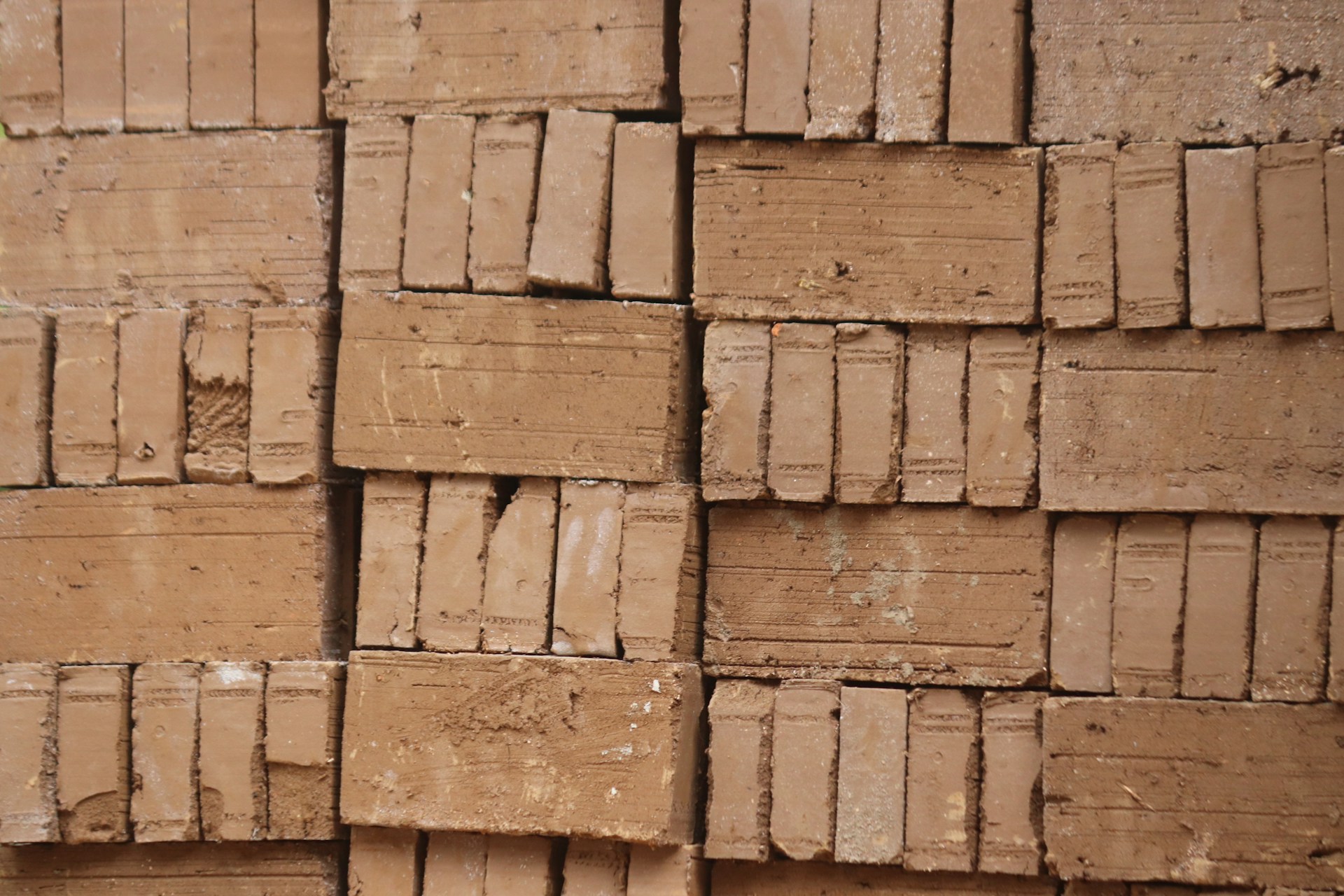
Reclaimed brick brings layered tones and texture you just can’t get with new masonry. Use it for fireplace surrounds, accent walls, kitchen backsplashes, or wine cellars. Outside, it fits right into historic neighborhoods as facade, garden walls, or paving.
Reclaimed stone, from flagstone to carved limestone, adds weight and permanence to floors, thresholds, and landscaping. Salvaged architectural pieces—lintels, columns, window surrounds—anchor a design and add instant history.
Some reclaimed pieces just demand attention. A mantel made from a single massive timber has a presence you can’t fake. Barn doors, especially with their original hardware, add both function and personality to a space.
Framing an entryway with reclaimed stone or heavy timber sets the tone for the whole house. These are the touches clients remember, and they help your work stand out.
Getting reclaimed materials shouldn’t be a gamble. The right sourcing relationship makes all the difference. Clear communication, smart questions, and access to a national network smooth out the bumps.
Give your supplier as much info as you can—drawings, finish samples, mood boards, even photos of the space. It helps them find materials that fit. Tone, grain, color, and surface character all matter.
If you need flooring to match original boards in a restoration, bring a sample. A good supplier will hunt for the closest match instead of forcing a compromise.
Before you commit, ask:
Reclaimed material isn’t endless. Nail down the supply early to avoid headaches.
A single local yard has limited stock. A national network, pulling from demolitions across the country, opens up rare finds. You get access to unique species, antique treasures, and big batches of matching brick.
For builders working on standout custom homes, that reach isn’t just helpful—it’s a real edge.
Moving material from a demolition site to a finished home takes several careful steps. Each stage affects quality and usability. Knowing the process lets you set realistic expectations and ask better questions.
Raw reclaimed lumber arrives rough. The team sorts out usable pieces and pulls any damaged ones. They remove all nails before milling or planing. Milling levels the boards and cleans them up, but it doesn’t erase the patina.
For brick, workers knock off old mortar, then sort by size and condition. They pull out any crumbling pieces so only solid material moves forward.
Big beams and stone need smart packing and shipping to arrive safely. Secure beams to prevent shifting. Palletize and wrap brick or stone to keep it from moving. Good coordination between the supplier and the jobsite ensures everything arrives on time, with the right equipment ready.
Direct delivery to the jobsite saves you from arranging extra transport or staging.
Standard building supply is all about predictable inventory and repeat orders. Reclaimed sourcing is the opposite. Every batch is unique. Quantities are limited. Lead times depend on finding the right stuff, not on a factory schedule.
Builders who get this plan ahead. They loop in suppliers early, confirm availability before locking specs, and factor material lead time into the build. Working with a supplier who handles the chaos is the best way to avoid headaches.
Big reclaimed pieces set the mood, but the smaller choices finish the look. Hardware, transition finishes, and antique accents all help a home feel unified, not pieced together.
Old-school hardware—cast iron, wrought iron, aged brass—just looks right with reclaimed wood and brick. Modern nickel or chrome clashes with historic materials. Hardware should feel like it belongs, not like an afterthought.
Hand-forged pulls, strap hinges, and surface-mounted locks are out there if you look. They make a surprising difference.
You don’t need a fully historic look to use reclaimed materials well. Some of the most interesting homes mix old beams or stone floors with clean lines, white walls, and modern lighting.
The contrast works because the reclaimed pieces are genuinely old. Their authenticity stands out against a fresh backdrop. Reproduction materials, on the other hand, often look off in these settings because they lack that true depth.
Using authentic reclaimed materials isn’t just about chasing a trend. It’s about building homes with soul, history, and character that last. If you want your work to stand apart—and your clients to feel the difference—you can’t fake the real thing.
Some projects really shine when you go beyond just the usual building materials. Carved stone fragments can become quirky garden features. Maybe you find an antique door and use it as a room divider. Or perhaps you grab some reclaimed timber and turn it into a one-of-a-kind table. These choices push the design story into new, sometimes surprising directions.
Honestly, these touches work best when they seem stumbled upon, not forced. A home that feels like it’s lived a life—one with artifacts that carry real stories—feels different from a place that just copies old styles. It all comes down to using authentic materials.
Builders who actually care about where things come from, who ask about the history, who can spot the real deal instead of some knockoff, are the ones who stand out. They build a reputation for honesty and get called back for more work. That all starts with a simple, but kind of tough, question: Is this piece truly authentic?
Authentic materials for builders offer something increasingly difficult to replicate in modern construction: visible craftsmanship shaped by time, use, and regional building traditions. From reclaimed beams and antique brick to salvaged stone and architectural fragments, these materials introduce texture and permanence that manufactured reproductions rarely achieve convincingly.
For custom home builders focused on long-term architectural value, sourcing matters as much as design itself. Bourgeois Materials sources authentic reclaimed architectural elements from historic demolition sites nationwide. They assist builders in incorporating genuine materials with documented character into homes built to last for generations.
When reclaimed materials are selected carefully and used with restraint, they become more than visual features. They establish authenticity throughout a project and create homes that feel grounded, timeless, and deeply connected to craftsmanship that deserves preservation.
Authentic materials for builders are genuine reclaimed or historically crafted materials recovered from older structures and reused in new residential or restoration projects.
Authentic materials look different from manufactured materials because authentic reclaimed wood, stone, and brick develop natural wear, oxidation, texture, and patina slowly over decades rather than through artificial distressing techniques.
Builders use authentic reclaimed materials in luxury homes because reclaimed materials introduce architectural depth, craftsmanship, and permanence that modern reproductions often fail to replicate convincingly.
Builders can identify authentic reclaimed wood because authentic reclaimed lumber typically shows irregular saw marks, natural checking, oxidation deep within the grain, and wear patterns created through long-term use.
Yes, provenance is important when sourcing reclaimed materials because provenance helps verify authenticity, documents the material’s origin, and provides historical context that strengthens both architectural and client value.
Reclaimed materials require specialized sourcing because reclaimed wood, brick, and stone often need evaluation, cleaning, grading, de-nailing, preparation, and coordinated freight handling before installation.
