

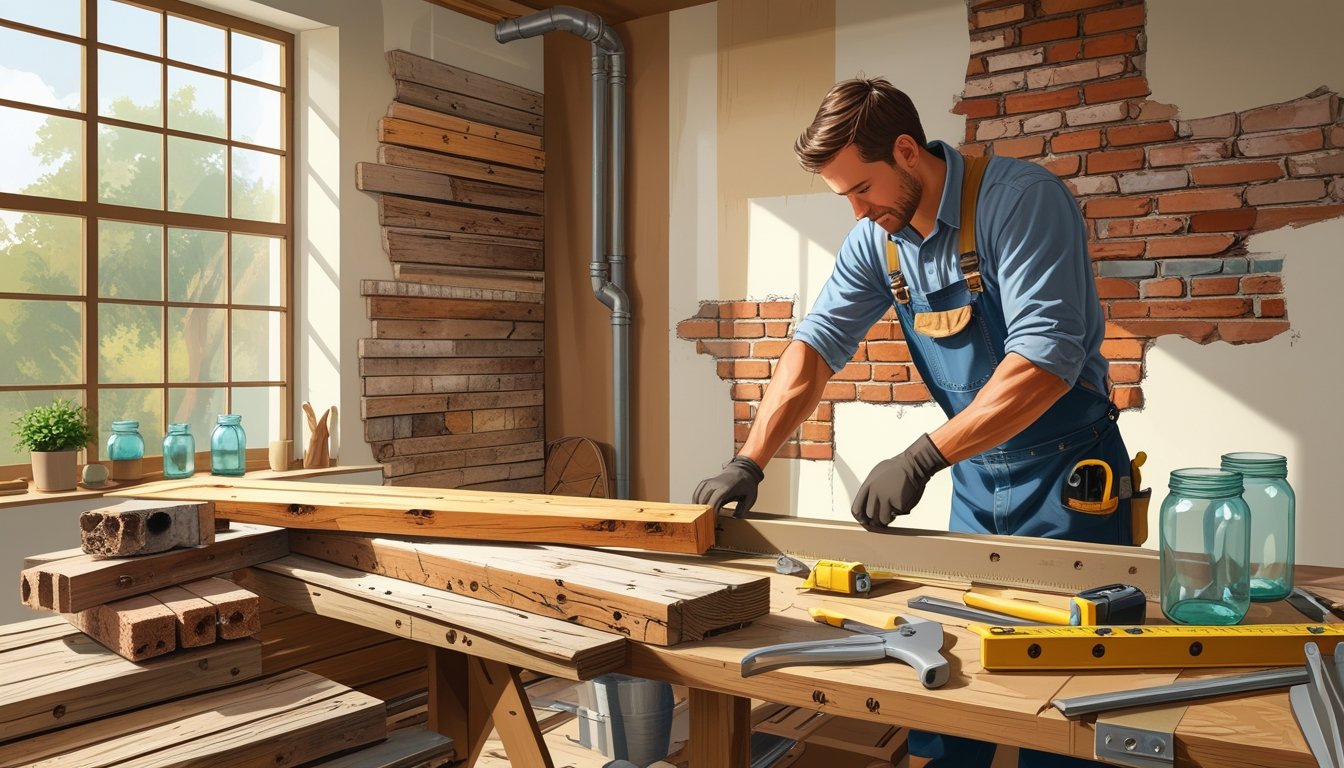
Reclaimed materials for home renovation combine design beauty, history, and sustainability in every detail. Homeowners and builders alike are rediscovering the value of working with wood, brick, stone, and metal that have already stood the test of time. Each reclaimed piece carries a visible story that no new product can imitate.
At Bourgeois Materials, our work with authentic reclaimed resources reflects a commitment to preserving craftsmanship and character. We source and prepare materials that give homes a distinctive sense of history while meeting modern performance standards.
This guide explores how to find reliable suppliers, evaluate quality, and incorporate salvaged materials creatively. You’ll learn practical steps for selecting, preparing, and designing with reclaimed elements to ensure your renovation feels timeless, functional, and sustainable.
Learn what makes a material “reclaimed,” the common types you can use, and why aged finishes add value to a project. These points help you choose safe, attractive pieces that fit your budget and design.
Reclaimed materials come from buildings or structures that have been taken apart, not from new manufacturing. You can find items pulled from old barns, factories, houses, and demolition sites. Salvagers clean, de-nail, and sometimes mill or treat these materials before reuse.
Key qualifiers to check:
Confirm any hazardous history, such as lead paint or asbestos. Proper documentation or testing protects you and future occupants. If a beam or brick lacks a clear origin, use it for non-structural features unless an expert approves otherwise.
You’ll find many reclaimed options that suit different parts of a remodel. Common categories include:
Each type has typical uses and limits. For example, antique bricks may be best for veneers rather than load-bearing walls. Reclaimed wood often needs acclimation to prevent warping. You can mix types—wood accents with brick backsplashes—to create a balanced look.
According to ArchDaily, reusing building materials — including wood, brick, stone, and metal — aligns with circular design principles that help extend the useful life of existing resources rather than consuming new raw materials.
This approach keeps durable structural elements in active use and reduces waste from demolition, demonstrating that reclaimed materials can sustain performance over decades when selected and prepared correctly.
Integrating these salvaged components into renovation projects respects both modern sustainability goals and architectural heritage, enhancing longevity while minimizing environmental impact.
Patina and wear give reclaimed materials their main appeal. Patina includes faded paint, nail holes, tool marks, and natural weathering that show a material’s history. These details create visual depth you cannot buy new.
When you choose material, decide how much aging you want visible. Lightly sanded beams keep texture and strength, while fully preserved patina keeps color and marks. Patina also affects maintenance: deeply weathered wood may need stabilization, while sealed patina requires occasional re-oiling.
Use patina deliberately—place the most striking pieces where people will notice them, such as mantels, shelving, or entry floors. This approach highlights character while keeping newer elements functional and safe.
Reclaimed materials cut waste, save money, and add character to your home. They help lower your project’s carbon footprint, reduce demand for new lumber and other raw resources, and can boost resale value when used well.
Using reclaimed wood, metal, or glass directly reduces the need to harvest new raw materials. That conserves forests and other natural resources and helps lower greenhouse gas emissions tied to manufacturing and transport.
You also keep usable materials out of landfills. Salvaged beams from barns or factory floors often become flooring, trim, or shelving in your renovation, which extends the life of those materials.
Check the treatment history before installing reclaimed items indoors. Some older wood may have lead paint or chemical treatments that need removal. When you source from vetted salvage yards or specialty suppliers, you can choose items with safe finishes and documented origins.
Reclaimed materials can cut costs on many home improvement tasks. You may pay less for solid wood flooring or specialty fixtures than for new equivalents, especially if you shop local salvage yards, auctions, or online marketplaces.
Labor can be similar or slightly higher because reclaimed pieces may need cleaning, milling, or refinishing. Factor that into your budget, but note that long-lasting reclaimed wood often reduces future replacement costs.
You can also reuse items from your own home during remodels—doors, cabinets, fittings—which saves on material purchases and disposal fees. For larger projects, partnering with contractors experienced in reclaimed materials helps avoid costly mistakes and keeps your renovation on schedule.
Reclaimed materials add a distinct visual appeal that buyers and appraisers notice. Exposed reclaimed beams, wide-plank flooring, or vintage hardware give rooms a unique look that often increases perceived value.
These features support sustainable design trends that many buyers seek. Using authentic reclaimed elements can make your listing stand out and justify a higher asking price.
Use reclaimed materials where they show: entryways, kitchens, and main living areas deliver the most impact. Keep installation quality high—properly dried and milled wood and secure fastenings ensure durability and maintain value over time.
You can add character, save money, and cut waste by choosing reclaimed materials for key parts of your home. Focus on items that blend function and style, like floors, beams, walls, furniture, and lighting.
Reclaimed wood and timber work well for floors, exposed beams, and panelled accent walls. For flooring, look for wide-plank reclaimed oak or pine that’s been de-nailed and planed. These boards add warmth and last when properly cleaned, sanded, and finished with a moisture-resistant topcoat.
Expect some color variation and nail holes — they add character, but check for structural soundness before you install. For beams, choose beams salvaged from barns or industrial sites. Have a professional inspect them for rot, insect damage, and load capacity.
Use original beams full-size or mill them for lighter decorative applications. On accent walls, reclaimed wood or timber planks create texture; install with a vapor barrier and proper fastening to avoid warping.
Practical tips:
Salvaged brick and stone give solid texture for fireplaces, interior feature walls, and outdoor patios. Reclaimed bricks often come from demolished buildings and keep irregular shapes and mortar remnants. That rustic look hides small imperfections, but you must clean and, if needed, re-fire or seal them to remove contaminants.
Use salvaged stone for hearths and garden walls. Choose stones that match the load and weather conditions where you’ll use them. For interior walls, a thin veneer of reclaimed brick can achieve the look with less weight and easier installation. Always check for soundness and contaminants like lead paint when sourcing older masonry.
Installation checklist:
Repurposing old furniture saves money and creates one-of-a-kind pieces. Turn an old door into a dining table, or use barn wood to build shelving. You can refinish, paint, or stabilize pieces to extend life. When reusing furniture, inspect joints, screws, and structural frames.
Replace stuffing or webs in chairs if needed. Fixtures like cabinets and stair parts can be refitted into new layouts. Upcycled materials work well for open shelving, headboards, and built-in storage.
Label and document dimensions when you source items so they fit your plans. Small repairs like sanding, reinforcing corners, and finishing will make reclaimed pieces safe and attractive.
Practical ideas:
Vintage lighting fixtures and hardware add detail that modern pieces often lack. Look for brass sconces, industrial pendant lights, and cast-iron doorknobs at salvage stores. Have a licensed electrician rewire electrical fixtures to meet current codes and safety standards.
Cleaning and replacing cloth wiring and sockets restores function without losing vintage style. Hardware like hinges, pulls, and knobs polish the reclaimed look.
Match finishes across a room to keep a cohesive feel. For pendants, retrofit LED bulbs to cut energy use while keeping the original appearance. Small touches like vintage switch plates or reclaimed metal brackets can tie a project together.
Safety and sourcing tips:
You can find reclaimed fixtures, lumber, and tiles through local yards, online sites, and nonprofit outlets. Each source has different prices, quality checks, and pickup or delivery options to consider.
Visit nearby salvage yards and architectural salvage shops to inspect items in person. Look for solid wood beams, vintage doors, and reclaimed flooring. You can check for rot, insect damage, and structural soundness right away.
Bring a tape measure and a flashlight to confirm dimensions and hidden defects.
Ask staff about how items were removed and stored; well-documented salvage often has fewer surprises. Many yards offer truck loading or local delivery for a fee. Prices are usually negotiable, especially for bulk buys or imperfect pieces.
Local yards can also source custom items from demolitions. If you want a specific type of tile, molding, or beam, ask them to call when similar jobs arrive. That hands-on access helps you match finishes and avoid shipping large, fragile pieces.
Use online marketplaces to broaden your search beyond your town. Sites like general classifieds and specialized salvage marketplaces list cabinets, reclaimed wood planks, and fixtures. Filter results by distance, condition, and pickup only if you prefer to avoid shipping costs.
Read listings carefully for photos, measurements, and seller notes on damage. Ask sellers for additional images of joints, backs, and underside areas. When bidding in auctions, set a maximum price to avoid overpaying for shipping or restoration work.
Consider platform protections and payment methods that offer buyer protection. For large or heavy items, confirm who handles crating and freight. Some sellers will arrange white-glove delivery at extra cost, which can save you time and reduce breakage risk.
Visit Habitat for Humanity ReStore locations and other nonprofit resale centers for affordable, inspected materials. These stores often stock doors, windows, cabinets, and appliances at lower prices. Purchases support community programs and have social value.
Explore FreeCycle groups, local Facebook Marketplace listings, and volunteer swap networks for free or low-cost items. Join local builder or maker groups where members post surplus materials from projects. Always check the condition and confirm pickup rules before agreeing to take items.
Many nonprofit stores offer basic warranties or return windows on certain items. Ask about volume discounts if you need multiple units. You can often reserve items while you arrange transport or project timing.
Check materials for damage, contamination, and suitability for their planned use. Plan how reclaimed pieces will meet strength, insulation, and code needs before you install them.
Inspect reclaimed wood, brick, metal, and insulation for rot, mold, pests, lead paint, and asbestos. Remove loose paint and test finishes for lead. If you suspect asbestos in old insulation, vinyl tiles, or mastics, have a certified inspector test it before disturbing the item.
Clean and dry materials thoroughly to prevent mold and pests. Strip, sand, or pressure-wash surfaces where safe. For wood, check for cracks, large nails, or embedded metal and remove or reinforce these areas.
For insulation reclaimed from walls, ensure it meets current R-value needs and is free of contamination before reuse.
Wear proper PPE: gloves, eye protection, and a respirator rated for dust and possible lead or asbestos. Label materials that need specialist handling and store them separately. Keep records of where each reclaimed piece came from to help with permitting or future reference.
Match reclaimed materials to structural and thermal needs. Have a structural engineer approve reclaimed beams or joists if you plan to reuse them as load-bearing members. For flooring or decking, check species, thickness, and wear; some reclaimed planks need planing or sistering to meet span and load limits.
Check local building codes and inspection rules before installation. Codes may restrict the reuse of items like electrical, plumbing, or insulation.
For insulation, ensure reused batts or loose-fill meet required R-values and are installed without compression or gaps. Replace insulation that is water-damaged or contaminated. Keep receipts, test results, and engineer letters in your project file.
Inspect fasteners and connectors; replace corroded nails and use certified structural screws or bolts where required. If a reclaimed product cannot meet code, use it for non-structural features like cladding, trim, or furniture.
Plan the look and performance before you mix materials. Use reclaimed wood for visible elements—floors, beams, shelves—and new materials where code, insulation, or airtightness matter. Pair reclaimed siding with new weather barriers and modern insulation to meet energy standards.
Create transition details that allow for different movement and thicknesses. Shim, plane, or sister reclaimed pieces to match the dimensions of new components. Seal joins with appropriate fasteners and weatherproofing—use flashing, foam tape, or flexible sealant where materials meet exterior walls.
Maintain consistent thermal performance by placing new insulation around reused items that reduce R-value.
When combining reclaimed insulation in non-critical areas, add new insulation layers to reach the required R-values. Label mixed assemblies on plans so inspectors know which parts are reclaimed and which are new.
You can make bold, useful changes with reclaimed materials that save money and add character. Focus on clear plans, the right tools, and simple finishes for durable results.
Create a textured accent wall in your living room or bedroom using reclaimed wood planks, pallet boards, or salvaged barn siding. Lay boards horizontally for a modern look or in a chevron pattern for visual interest.
Prep by cleaning, de-nailing, and sanding rough edges. Use a stud finder and screw through each board into studs; add a plywood backer if studs are uneven.
For moisture-prone areas, choose reclaimed hardwood or seal softwoods with a water-resistant finish. Apply reclaimed brick or tile to create a fireplace surround or kitchen backsplash. Mix finishes—stained wood with matte grout—for durability and easy maintenance.
Keep a sample board on-site to test stains and sealers before finishing the entire wall.
Turn old dressers, doors, and pallets into new furniture pieces for your home.
Convert a vintage door into a dining table by trimming and adding hairpin legs, or use stacked dressers to build a unique kitchen island with storage. Strip flaking paint, repair joints with wood glue and clamps, then reinforce with screws where needed.
Use upcycled materials like old table legs, reclaimed oak boards, or brass fittings for mixed-material pieces. For upholstery, re-cover chair seats with durable fabric and foam from local sources. Label each project with simple measurements before cutting to prevent mistakes and waste.
Check reclaimed wood for nails, screws, and chemical treatments before working, and sand in a ventilated area.
Create custom shelving and storage from reclaimed boards and crates to fit your space. Attach floating shelves made from 1x10 reclaimed planks to hidden brackets for a clean look. Stack and secure old wooden crates to make modular cube storage for shoes, toys, or pantry items.
Repurpose an old dresser into a bathroom vanity by cutting out a drawer for plumbing and adding a sealed top. Use reclaimed barn doors as sliding closet covers to save floor space. Mount a pegboard made from scrap plywood and thin slats to keep tools or craft supplies visible and organized.
Use labels, baskets, and clear bins to keep the reclaimed look tidy and make items easy to find.
Reclaimed materials bring more than style—they carry stories that connect new homes to generations past. Each salvaged beam, brick, or tile reflects both resilience and artistry, transforming renovations into something enduring.
At Bourgeois Materials, our reclaimed resources embody the balance between authenticity and quality. We work with builders and homeowners who value the integrity of true, historic craftsmanship reimagined for modern living.
If your next renovation deserves history, start by exploring what reclaimed design can bring to your home. Reach out to discuss materials, sourcing, or creative ways to build with purpose and character.
This section gives practical answers you can use right away. It covers where to find reclaimed materials, how to check their condition, likely cost effects, design rules, common material types, and environmental impacts.
Check local salvage yards and architectural reclaim stores for beams, flooring, and trim. You can inspect pieces in person and often arrange delivery.
Contact contractors or owners at demolition sites and renovation projects ahead of time to claim items before demolition. Always confirm permits and removal rules first.
Search online marketplaces that specialize in reclaimed materials for rare or out-of-area pieces. Read seller reviews, ask detailed condition questions, and include heavy shipping costs in your budget.
Inspect wood for rot, deep splits, and insect damage; push on suspected soft spots with a screwdriver. Look for visible flaws and remove nails or metal safely.
For bricks and stone, check hardness and size consistency; use softer antique bricks for decoration, not load-bearing walls. For metal and structural steel, check for rust-through, warping, or thinning.
Ask sellers for provenance, grading, or test reports when available. If you plan structural use, get a builder or structural engineer to approve the pieces before installation.
Reclaimed materials often cost less than custom or high-end new materials, especially for solid old-growth wood or antique bricks. You may also save on disposal fees by reusing materials from a demolition.
Budget extra time and labor for cleaning, repair, and fitting pieces that aren’t uniform. Shipping and specialized handling can add costs for heavy items like stone or slate.
Durable reclaimed materials need less replacement over time. Compare total costs—material price plus prep and installation—to new-material alternatives.
Match reclaimed pieces to the scale and color of new construction to avoid awkward contrasts. Use reclaimed beams, trim, or brick as focal points instead of uniform surfaces.
Plan for irregular sizes and uneven surfaces; measure each piece before installation. Use modern supports or reinforcements when you need structural reliability while preserving visible patina.
Address safety and legal needs early—test for lead paint or asbestos, and check local building codes and permit requirements. Let qualified professionals handle hazardous materials.
Reclaimed wood appears most often in beams, wide-plank flooring, paneling, and trim. You get rich grain, patina, and solid thickness, not common in new lumber.
Bricks and masonry come from old walls and chimneys and work well for accent walls, fireplaces, and patios. Antique bricks vary in hardness and are best chosen for appropriate uses.
Other common items include slate roofing, reclaimed stone pavers, metal fixtures, and salvaged doors or windows. Each type has different prep and installation needs.
Using reclaimed materials reduces demand for new raw materials and keeps usable items out of landfills. This approach lowers the energy used to manufacture new lumber, brick, or stone.
To measure environmental benefit, consider transport and processing. Heavy shipping or energy-intensive cleaning can reduce gains. Choosing local reclaimed sources and using minimal reprocessing offers the best carbon and waste savings.
