

Reclaimed materials have a quiet power. They slip into a space and immediately add depth, grounding a home in something real. Whether your style leans rustic or refined, industrial or modern, reclaimed elements bring a sense of history and craftsmanship that new materials simply cannot match. Picture hand-hewn beams that still carry the rhythm of the tools that shaped them, antique brick with softened edges, or carved stone that has weathered generations. These pieces do more than fill a design. They enrich it.
The key is understanding how each element supports the architecture around it. Stout, timeworn timbers lend weight to farmhouse and traditional spaces. Weathered steel and old brick find their stride in industrial lofts and clean modern interiors. Honed limestone, classic mantels, and reclaimed trim echo beautifully in Colonial or historic-inspired homes. When chosen with intention, reclaimed materials become part of your home’s story and add layers that feel natural rather than nostalgic.
If you are searching for authentic reclaimed wood, brick, or stone, our team at Bourgeois Materials can help you source pieces that match your architecture and your vision. What follows is a closer look at the styles that welcome reclaimed elements, the unexpected combinations that work, and practical ways to blend old materials into modern life without losing clarity or elegance.
Reclaimed elements bring real history, strong materials, and visible craft into your home. They’ve got practical uses, and there are a few limits to know before you pick pieces for structure, finish, or accent.
Reclaimed elements are building materials salvaged from older buildings and reused in new projects. Think hand-hewn beams, antique bricks, salvaged windows, cast-iron fixtures, and stone—stuff that shows wear, repairs, or old tool marks.
Each piece has a story: a barn beam with mortise holes, a hearthstone with fire-blackened edges, or flooring marked by decades of footsteps. That history shapes how things look, how strong they are, and where you can use them.
When picking reclaimed items, always check structural grade, inspect for rot or pests, and double-check dimensions. Some materials need cleaning, milling, or stabilization before you install them. Your contractor or architect should treat each piece as one-of-a-kind, not just another product off the shelf.
Reclaimed materials cut down on waste and reduce the need for new resources. Old growth lumber or century-old brick often means denser, tougher materials—and a texture that’s hard to find in new stuff.
You also get extra visual depth—patina, tool marks, and weathering create a look you just can’t fake.
There’s sometimes a cost benefit, too, and homes with the right reclaimed touches often have stronger resale appeal. Sourcing through specialists like Bourgeois Materials makes it easier to find authentic, job-ready elements and track their origins—a story you can share with clients or buyers.
Treat each type for safety and function: mill or pair beams for load-bearing use, test metals for corrosion, and make sure salvaged windows meet modern standards.
Pairing reclaimed elements with a style brings history, stronger materials, and a look you just can’t buy off the shelf. The right combo makes your project feel intentional, saves resources, and gives each space a one-of-a-kind presence.
Reclaimed materials show their past—nail holes, hand tool marks, weathered patina. Those marks tell stories that fit beautifully with styles like Craftsman, Colonial, and Industrial, where authenticity matters.
You might use a hand-hewn beam as a mantel in a farmhouse kitchen or old brick as an accent wall in a loft. These pieces anchor rooms with real provenance, not just manufactured “distress.”
When you choose authentic elements, you add depth. The material’s origin—barns, mills, historic homes—becomes part of your design narrative. That’s what makes a space feel lived-in and curated.
Reusing materials means less demand for new lumber, brick, or stone. That cuts waste and shrinks the carbon footprint tied to making new building products.
You also get denser, time-tested materials. Using reclaimed structural wood or stone can mean longer-lasting parts in the places that matter.
If you work with a trusted source like Bourgeois Materials, you get verified origin and careful handling. That makes it easier to hit green-building goals while keeping craft and history at the heart of your project.
Reclaimed elements offer textures and colors modern manufacturing just doesn’t. Weathered wood shows off unique grain and tone; antique brick brings irregular edges and rich color.
Try reclaimed flooring for warmth in a contemporary room or pair slate roofing with a historic facade. Mixing eras creates a visual tension that feels deliberate and, honestly, a little more interesting.
Because reclaimed items are one-of-a-kind, your space won’t look like anyone else’s. You get materials with quirks and imperfections that become signature design moments.
Reclaimed materials add texture, history, and strength to a home. They work best when matched to a clear style and used where their character can shine.
Farmhouse design loves aged wood, wide plank floors, and reclaimed doors. Use hand-hewn beams as exposed rafters or a mantel—they feel structural and tell a clear story. Reclaimed heart pine or oak floors bring warm grain and wear that new boards can’t quite match.
Pair antique barn doors with painted cabinetry for contrast. Salvaged brick or stone works well for foundation walls, thresholds, or fireplace surrounds. Keep finishes simple—oil, wax, or a light stain—so the wood’s patina stays front and center.
If you’re picking hardware, forged iron or aged brass fits the era of the reclaimed pieces and keeps the house grounded.
Industrial spaces embrace heavy metal, distressed wood, and old factory glass. Reclaimed steel columns, beams, and factory windows add honest structure and drama. Use original large-paned windows to boost light and show off metal joinery.
Flooring from reclaimed hardwood or factory planks stands up to wear and tells an industrial story. Exposed brick and repurposed machinery parts—think lighting or shelving brackets—fit right in. Keep surfaces matte and finishes minimal for authenticity.
Mix reclaimed concrete and salvaged iron for countertops, stair treads, or open shelving. The result feels raw and crafted—never staged.
Rustic design is all about raw, tactile materials and visible craft. Reclaimed logs, barnboard, and rough-hewn beams create a cozy, lived-in vibe. Use reclaimed stone for hearths, porch steps, or garden walls to root the home in its landscape.
Let joinery and fasteners show; pegged beams and hand-cut mortise work add to the handmade feel. Layer different woods—lighter weathered siding with darker beams—for depth.
Natural finishes—beeswax, tung oil, hand-rubbed stains—let knots, cracks, and tool marks stay visible.
Modern design benefits from a little warmth and history. Use a single large reclaimed beam as a minimalist mantel or float a shelf from an old plank for texture without clutter. A slab table from reclaimed wood can become a sculptural centerpiece.
Combine clean lines and smooth surfaces with one or two aged elements—maybe antique brick behind a sleek kitchen or reclaimed oak open shelving. Neutral color palettes help reclaimed pieces stand out.
Pick items with simple silhouettes and minimal ornament so they complement modern geometry. Bourgeois Materials can help you find rare, well-preserved pieces for contemporary spaces.
Reclaimed pieces add texture, warmth, and history while fitting into formal proportions, wood-focused detail, and handcrafted finishes. Aged beams, antique brick, and salvaged trim reinforce symmetry, scale, and material honesty.
Traditional homes lean into balanced rooms and formal moldings. Reclaimed hardwood floors—narrow plank or original wide boards—anchor living rooms and halls, with a worn patina that feels like it’s been there forever.
An old-growth beam works as a fireplace mantel or ceiling element, matching turned newel posts and wainscot. Reclaimed brick is great for chimneys or hearths; its color range and mortar wear look authentic.
Keep finishes restrained: satin oil or matte shellac brings out the grain without too much shine. Match new trim proportions to salvaged pieces so doors, windows, and cabinetry feel intentional.
Colonial Revival depends on symmetry, classical details, and sturdy materials. Reclaimed pine or oak stair treads and wide-plank floors give rooms a grounded, lived-in look that still respects the style’s formality.
Add antique hardware or reclaimed six-panel doors for authentic sightlines. Use reclaimed brick or hand-hewn beams in entry halls and porches; these pair well with pediments, corner boards, and boxed eaves for a historic feel.
Stick to muted palettes—creams, deep blues, warm whites—and let the aged materials provide contrast. Choose pieces with consistent scale so trim keeps that classical rhythm.
Craftsman design celebrates handwork, visible joinery, and honest materials. Reclaimed beams, exposed rafter tails, and mission-style trim just fit. Use one big reclaimed beam across an open space or smaller bracketed beams in bungalows to highlight structure.
Reclaimed wood furniture, built-in benches, and boxed window seats complement original millwork. Salvaged tiles and stone work well for fireplace surrounds since they show texture and irregularity, which Craftsman style loves.
Focus on tactile finishes: rubbed oil, low-sheen wax, or hand-applied stains keep surfaces warm and touchable. If you need a hand sourcing, Bourgeois Materials can find authentic pieces that match Craftsman proportions and craftsmanship.
Reclaimed pieces can add warmth, texture, and history to modern rooms, mid-century lines, and breezy coastal interiors. It’s all about balancing scale, finish, and color so reclaimed parts feel intentional, not just thrown in.
Minimalist rooms rely on clean lines and open space. Use a single reclaimed beam as a mantel or a floating shelf for a strong focal point that doesn’t clutter things up. Keep other surfaces simple—matte white walls, concrete floors, plain cabinetry—so the wood or antique brick stands out.
Match finishes with care. Sand and seal reclaimed wood to smooth splinters but keep the original grain and patina. Slim, modern hardware in black or brushed nickel ties old material to contemporary elements.
Limit color to a couple neutrals. A reclaimed door or panel pops against soft gray, warm white, or charcoal. That contrast keeps things calm, while the reclaimed material brings the character.
Mid-century modern leans into organic wood tones and crisp geometry, which really suits reclaimed hardwoods and vintage millwork. Try reclaimed walnut or oak for sideboards, stair treads, or a dining table top if you want that familiar mid-century warmth.
Keep the joins sharp; skip the ornate trim. Rework reclaimed pieces into straightforward shapes—think tapered legs, flat faces, and low silhouettes. Pair with period lighting or slim metal bases if you want to keep that form-meets-function vibe.
Let subtle wear marks show. A few dings or faded spots add real patina, not damage, and play off classic mid-century fabrics like wool or leather.
Coastal rooms love weathered textures and sun-faded colors. Use reclaimed decking, shutters, or wide-plank floors to bring in that relaxed, lived-in beach house feel. Whitewashed wood and bleached brick look right at home with sand, sea glass, and sky blues.
In humid spots, protect reclaimed wood with a breathable, marine-grade finish. Layer with woven rugs, linen, and jute for an easy, breezy look. Keep window treatments light so natural light pours in and the reclaimed grain stands out.
For colors, pull from the materials themselves: gray-beige beams echo driftwood; pale bricks work with oyster and teal accents. If you need help matching reclaimed elements to your coastal palette, Bourgeois Materials can point you in the right direction.
Use reclaimed pieces where they make the biggest visual or structural impact. Choose items that fit the room’s use, allow for prep time, and plan finishes and fastenings before you start.
Decide if the reclaimed piece will be structural, decorative, or maybe both. Use reclaimed beams and structural-grade timbers for load-bearing spots—but always have a structural engineer check old beams before trusting them. For floors, pick reclaimed hardwood that’s been milled and flattened for today’s needs.
Match the material’s durability to its location. Antique brick and stone hold up well outdoors or around fireplaces. Save delicate things—lead-glazed tile, thin glass, ornate mantels—for protected or low-traffic areas.
Document the piece’s story and condition. Make notes about nail holes, insect damage, or repairs so you’re ready for cleaning or reinforcement. If you’re working with a specialty supplier like Bourgeois Materials, ask about where the item came from and how it was reclaimed.
Start with one reclaimed anchor piece, then layer in smaller accents. A barn door or beam can become the focal point; keep nearby surfaces simple to avoid overload. Let just one historic element take center stage in each room.
Use modern materials behind the scenes for structure and performance. Install up-to-code framing, vapor barriers, and insulation behind reclaimed facades. That way, you get the historic look without giving up comfort or efficiency.
Transitions matter. Use matching joints, trim, or shadow gaps to bridge old and new. When mixing new metal or glass with aged wood, choose fasteners and brackets that look intentionally weathered or matte so nothing feels out of place.
Start with the reclaimed piece’s colors. Pull paint, tile, or fabric hues from the grain, mortar, or patina. You’ll get a palette that feels natural, not forced.
Mix rough and smooth. Hand-hewn beams or reclaimed brick work well with plastered walls, polished concrete, or simple cabinetry. Use textiles—rugs, cushions, curtains—to soften rougher textures, especially in seating areas.
Test finishes in the actual space. Light changes how reclaimed surfaces look, so move samples around and check them at different times of day. Adjust stain or sealant colors after seeing them in your real lighting.
Working with reclaimed materials brings some trade-offs: finding the real stuff, making sure it’s safe and strong, and fitting old pieces into your current design. Each challenge needs a bit of planning so things stay on track.
Finding genuine reclaimed pieces takes patience and a clear wish list. Write down exactly what you need—hand-hewn beams, antique brick, slate roofing—and your size and finish requirements. That helps sellers check availability faster.
Buy from suppliers who document where things came from and their condition. Ask for photos, provenance, and treatment history. With Bourgeois Materials, you can also request inspection reports and stories about each piece.
Expect some variation: colors, nail holes, and patina never repeat exactly. Order a bit extra and get samples before you commit. If supply is tight, consider mixing reclaimed with new materials that match.
Reclaimed pieces can be strong, but check them carefully. Have a structural engineer look at load-bearing beams, posts, and joists before you install. They’ll check for rot, insect damage, or hidden weaknesses.
Reinforce as needed: sister beams, add steel plates, or use hidden supports to keep the look but meet code. For brick and stone, test the mortar and check compressive strength with core samples.
Keep a record of repairs and treatments—like anti-termite, epoxy fills, or fire retardants—for permits and future reference. Document engineering approvals and on-site fixes.
Matching reclaimed character to your space is all about intention. Choose one main reclaimed element—maybe a mantel or entry door—and let the rest support it. Too many antiques in one room can get busy fast.
Stick to a consistent palette and scale. Pair chunky reclaimed beams with simple millwork and neutral walls to show off the texture. In modern spaces, contrast reclaimed wood with clean metals and glass to keep lines crisp.
Plan transitions where old meets new: flashing for slate roofs, proper seals between brick and framing, and trim details that hide gaps. Try a small area first so you can tweak grout color, finish, or joint size before going all in.
You can use reclaimed pieces to add texture and history in ways that really stand out. Here are some ideas that don’t break the bank—or the style.
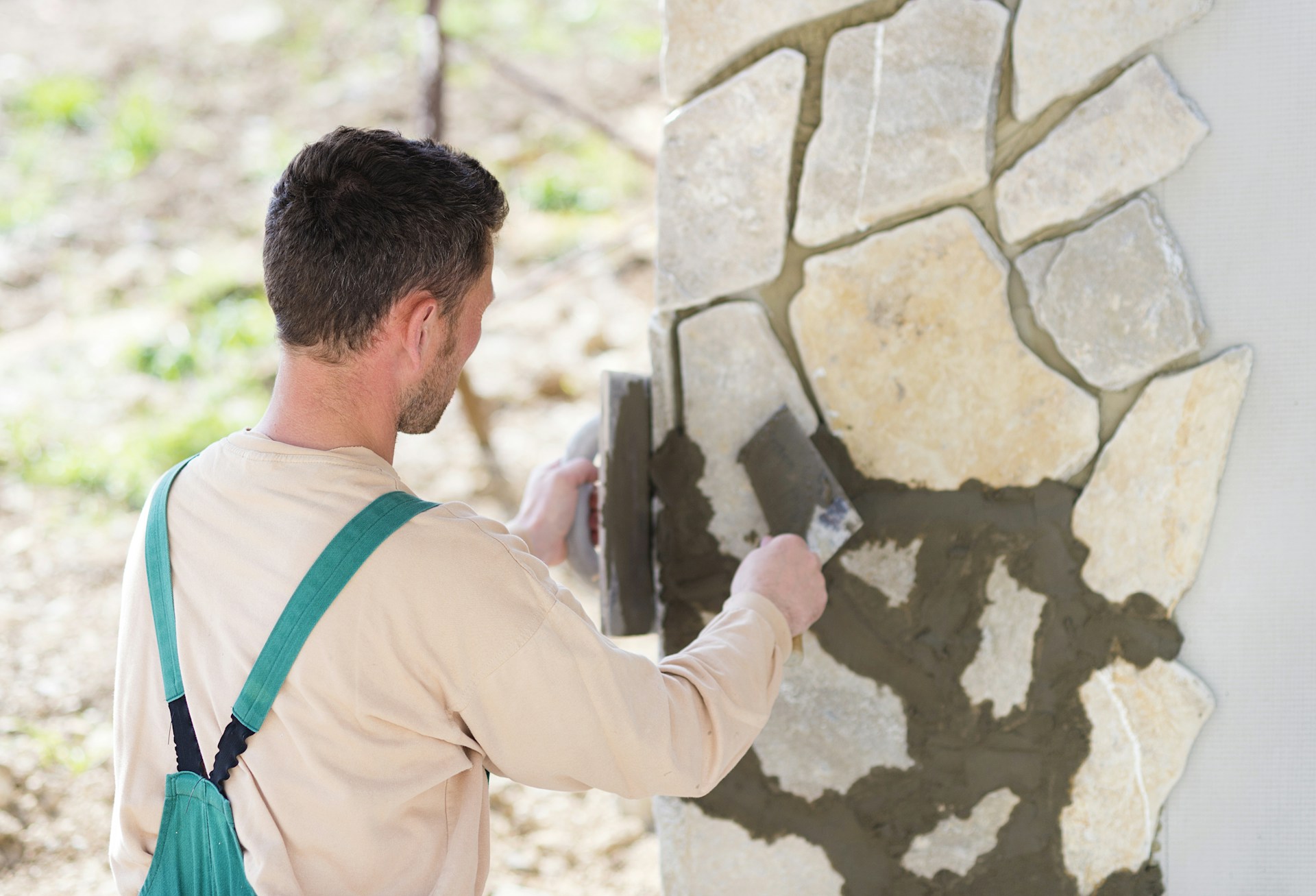
Try reclaimed brick, ship-lapped barn wood, or stacked stone for a dramatic focal point. One wall behind a fireplace or bed is usually enough. In a kitchen, an old brick backsplash behind open shelves adds warmth.
Prep the surface well. Clean, seal, and install on a sturdy substrate to handle moisture and insulation. Match mortar color to nearby finishes so it all ties together. Lighting matters—a few uplights or picture lights can really bring out grain and texture at night.
Think about scale. Big beams or wide planks fit larger rooms; narrow boards or thin brick veneer work in tight spaces. Always test a sample on-site before you commit.
Turn beams and floorboards into tables, benches, or consoles. Mix old industrial steel with reclaimed wood for pieces that feel both historic and current. For cabinets, face new boxes with reclaimed panels so you get the look without sacrificing function.
Check for nails, rot, or bugs before you build. Reinforce joins with fresh hardware if needed. The finish sets the mood: matte oil highlights grain, while a pale wash keeps things bright and modern.
When you can, label pieces with their origin. A little tag with the building’s story adds meaning and helps people connect with the past.
Salvaged doors, mantels, corbels, and windows bring in detail you just can’t fake. Hang an antique door for a pantry or closet to get instant patina. Use a tobacco barn beam as a floating mantel to frame a modern fireplace.
Reclaimed windows make great interior dividers or cabinet glazing, letting light flow through. For structural pieces, double-check engineering specs so everything’s safe. For smaller accents like brackets or hardware, combine originals with new reinforcements to keep both style and safety.
Need a hand sourcing the real thing? Bourgeois Materials can connect you with authentic finds and handle the tricky delivery and documentation.
Bringing reclaimed materials into your home is really about intention. Every beam, brick, or carved detail carries its own story, and when you place these pieces with care, they support the architecture around them in a way that feels natural and lasting. The right reclaimed element can anchor a room, soften a modern edge, or restore a sense of craft that many homes quietly crave.
If you are ready to explore materials with genuine history and character, our team at Bourgeois Materials can help you find pieces that fit your vision and your style. Whether you are refreshing a single room or shaping an entirely new space, reclaimed elements offer a warmth and depth that stay beautiful for decades. Your home evolves, and these materials evolve with it, creating spaces that feel grounded, personal, and thoughtfully made.
These answers help you work reclaimed elements into different styles, refresh period rooms, and mix pieces so the space feels pulled together—but not fussy. Expect straightforward ideas you can actually use.
Start with a single anchor—maybe a reclaimed wood beam or antique brick wall. Let it set the room’s mood and scale.
Keep the rest simple. Clean-lined furniture, neutral colors, and modern fixtures let the reclaimed piece shine.
Repeat finishes or colors in small ways. A salvaged metal light or aged hardware can echo the anchor’s tones and tie the look together.
Hold onto key period details like moldings or mantels, then swap in one or two reclaimed items. Maybe replace a basic shelf with a reclaimed plank or add an old door with new glass.
Repeat a material for cohesion. If you use reclaimed floorboards, echo that wood in a table or mirror frame.
Modern upholstery and simple patterns on seating keep things comfortable, while reclaimed pieces add history.
Stick to mid-century proportions: low profiles, tapered legs, open space. Place a traditional reclaimed piece, like an antique sideboard, where it won’t block sight lines.
Tie things together with color and material. A mid-century sofa in a neutral fabric pairs well with a warm reclaimed wood table if you repeat a color in a cushion or artwork.
Keep it light—let negative space around the reclaimed item highlight its character without competing with ornate pieces.
Absolutely. Use one or two antiques as focal points—maybe an armchair or chest. Let modern finishes and simple shapes balance the look.
Contrast with modern lighting and plain surfaces so the antique feels intentional, not staged.
Limit pattern and ornament. Simple rugs and plain curtains let the antique’s details stand out.
Start with a unifying element: color, material, or finish. Repeat it in three places to create rhythm.
Mix up scale, but keep things balanced. A big reclaimed table? Pair it with smaller, simpler chairs and a low sofa.
Group items in odd numbers and use rugs or lighting to anchor the space. That helps different styles feel curated, not random.
Stick with Mission proportions and show off those visible joints. Put Mission pieces where their straight lines and sturdy shapes can ground the room—think dining sets or a solid entry bench.
Bring in softer, more modern fabrics to keep things from feeling too heavy. Light linen or plain wool can balance out the strong furniture.
Try mixing in materials that pick up on Mission wood tones—stone, leather, even some matte metal. That way, other styles blend in instead of fighting for attention.
If you’re hunting for authentic reclaimed wood or architectural details that really match Mission’s grain and patina, Bourgeois Materials is a solid place to start.
